Introduction
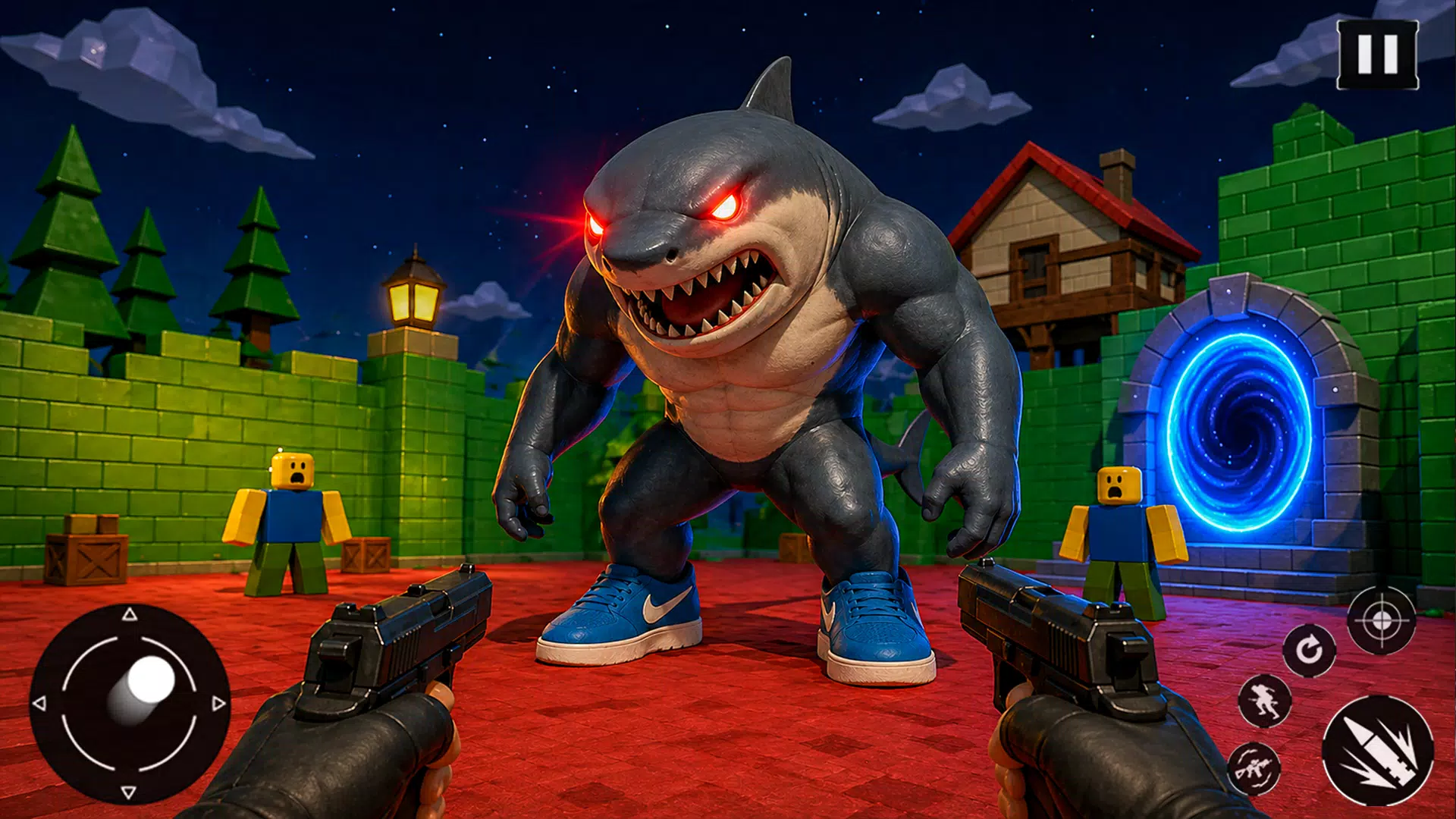
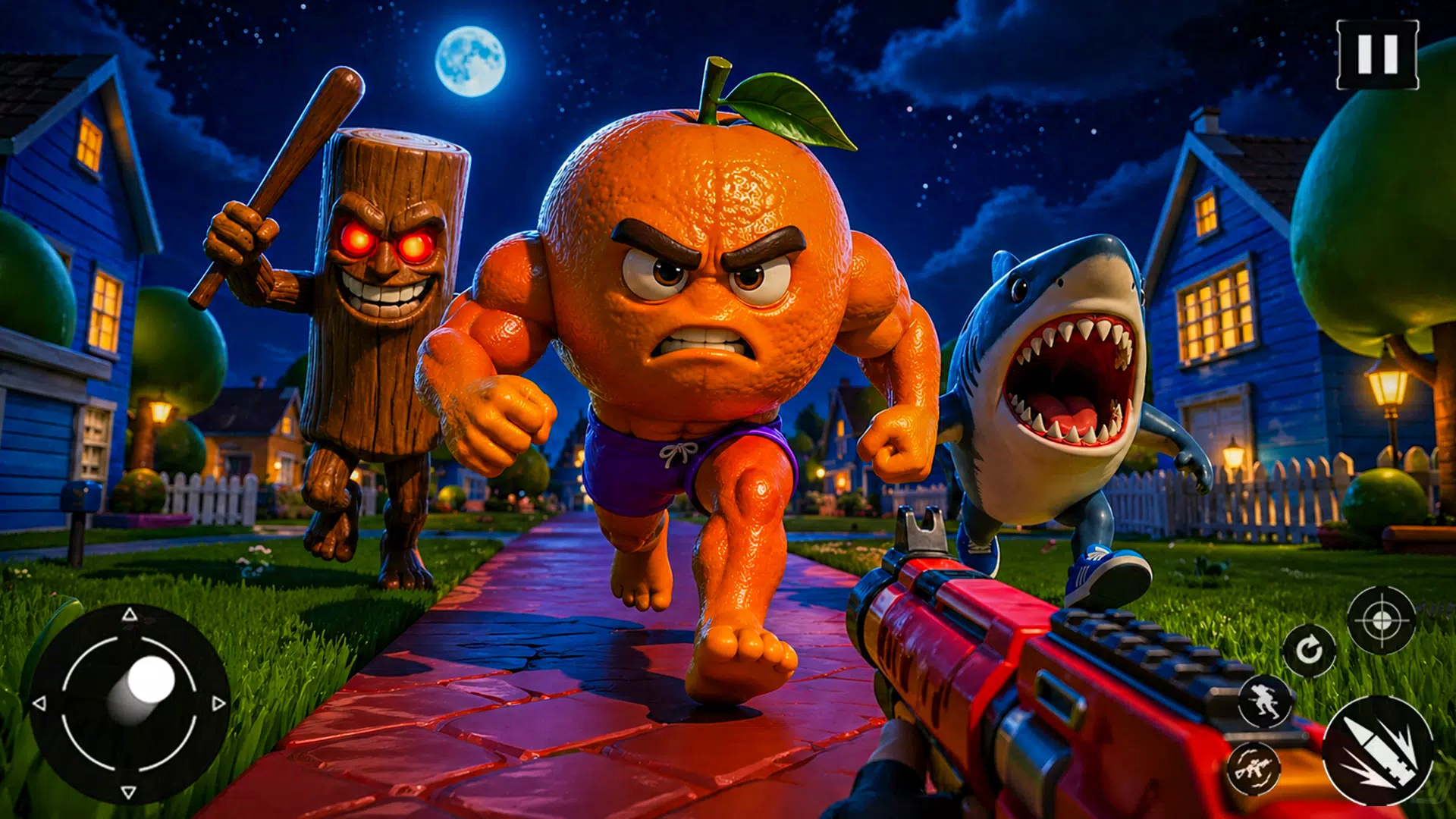
Monster Survival: FPS Shooter is a compact, atmospheric mobile first-person shooter that puts short, intense survival runs at the center of its design. Monster Survival: FPS Shooter opens you into wave-based encounters across shadowed forests, ruined city blocks and cramped interiors, with each map designed to reward quick reflexes, tactical positioning and considered loadout choices. The structure is simple and loop-driven: pick a loadout, survive increasingly difficult waves, spend earned resources on upgrades and return to test a different strategy or push further than before.
Gameplay and mechanics
The core gameplay emphasizes tight, responsive shooting tailored for touch devices. Weapons are distinct in feel—pistols favor speed and mobility for close engagements, rifles deliver consistent mid-range accuracy, and shotguns provide decisive power when enemies close in. Enemy behaviors vary significantly, from fast swarms that force movement and target-priority decisions to slow, durable threats that require careful positioning and heavier firepower. Encounters reward environmental use: funneling monsters through choke points, using cover to regroup, and timing ability activations can turn a losing situation into a successful extraction. Combat also stresses resource management; conserving ammunition and choosing when to use limited abilities or health items are constant tactical decisions.
Controls and accessibility
Controls are designed with accessibility and customization in mind. The game supports simple tap-to-shoot input as well as optional on-screen thumbsticks for players who prefer traditional movement controls. Sensitivity settings, aim assist levels and configurable button layouts let you adapt the interface to different devices and personal preferences. Accessibility options include adjustable text and HUD sizes, high-contrast UI elements for low-visibility scenes, and multiple difficulty presets so newcomers can learn the core mechanics before attempting higher-challenge runs. These choices aim to make the game approachable without diluting the skill-based elements of the combat.
Progression and upgrades
Progression follows an upgrade-driven model that gives meaningful choices between runs. Completing missions yields resources that can be invested in weapon improvements, passive stat boosts and new active abilities. Weapons upgrade along clear paths to improve damage, accuracy or reload speed, and passive upgrades modify health, stamina or ability cooldowns to suit different playstyles. Because upgrades are modular, you can pursue raw firepower for immediate survivability or prioritize utility and survivability options that unlock new tactical possibilities over time. The progression loop encourages experimentation and incremental mastery rather than one-shot power spikes.
Visual style and level design
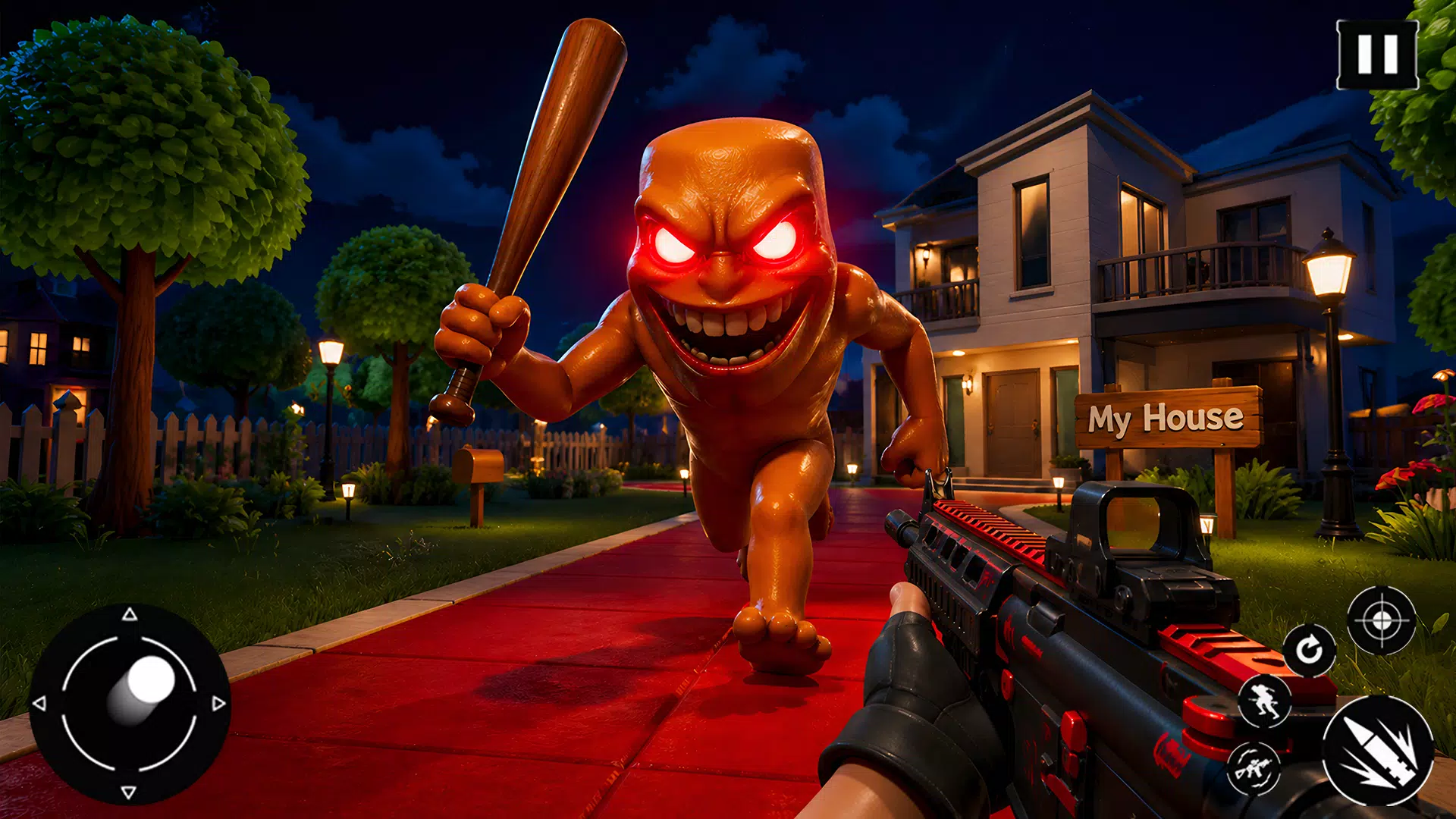
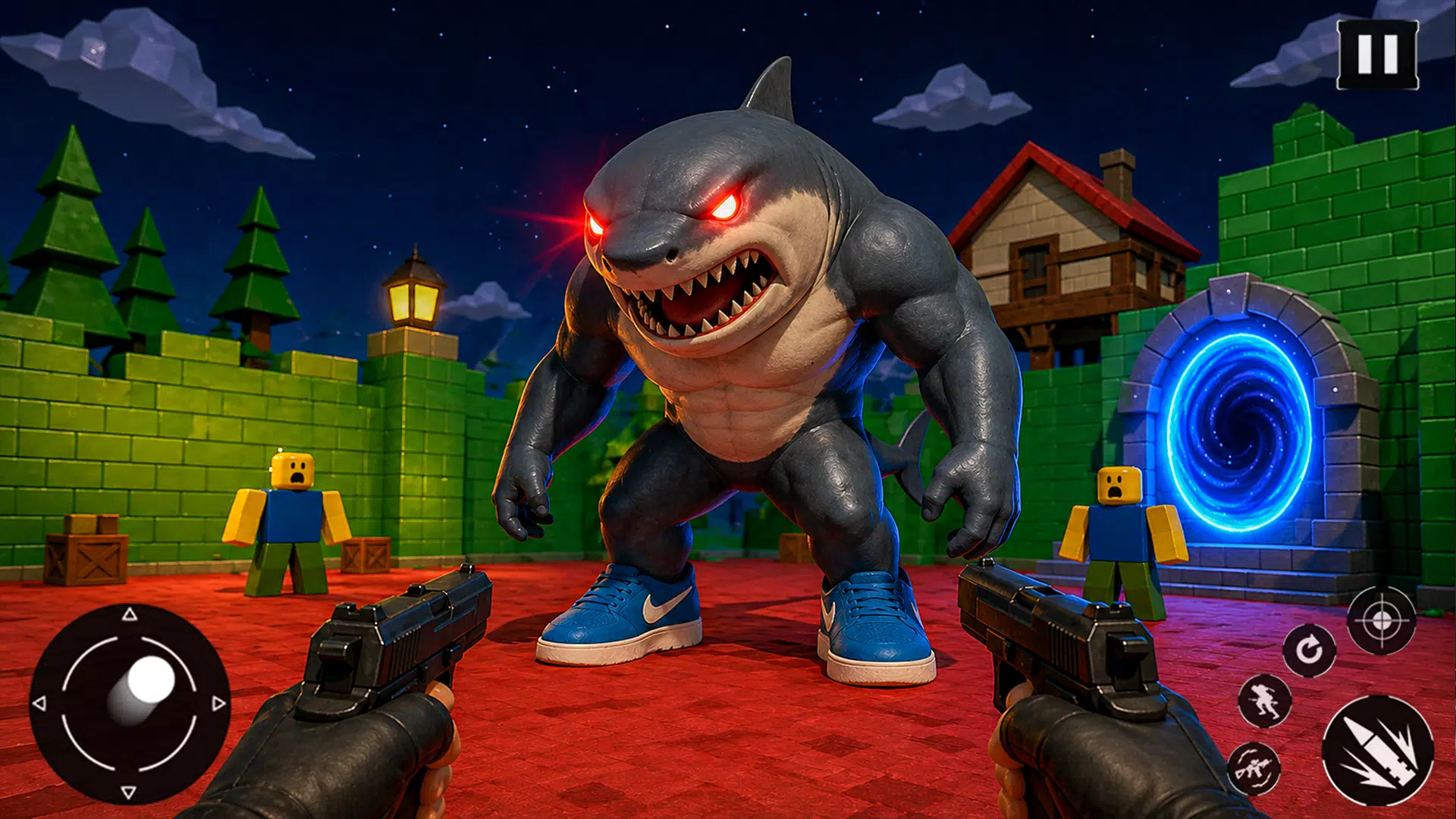
The visual presentation favors a moody, realistic palette that supports the suspenseful tone without relying on overt scare effects. Level design balances open sightlines with tighter, obstructed interiors so each map challenges both movement and aim. Moonlit forests feature dense undergrowth and concealed paths, while derelict urban areas present verticality and narrow alleys that reward positional thinking. Lighting and ambient audio cues are used deliberately to telegraph enemy approach and to heighten tension, turning sound and shadow into tactical information rather than purely decorative elements.
Customization and loadouts
Loadout customization is straightforward and impactful: choose a primary and secondary weapon, select a limited number of passive upgrades and pick one active ability that complements your tactics. Cosmetic options allow small visual personalization of weapons and characters but do not affect balance, keeping the focus on skill and strategy. The limited loadout slots force trade-offs and meaningful decisions before each run, encouraging players to test different combinations and synergies between weapons and abilities.
Level structure and replay value
Each mission is structured as a short, wave-based sortie designed for quick sessions. Early runs are forgiving and useful for learning, while later waves demand upgraded gear and refined tactics. Randomized enemy compositions and varied spawn patterns keep familiar maps feeling new, and procedural elements in wave makeup increase the unpredictability of each attempt. Because sessions are compact, the game is well-suited to mobile play: you can complete meaningful progress in short bursts and still face deeper strategic challenges when you have more time.
User experience and offline play
The single-player focus delivers a smooth, uninterrupted experience with streamlined menus for quick access to loadouts, upgrades and mission selection. Optimization targets a wide range of devices so that performance remains stable across mid-range hardware. The core experience is playable offline; progress, upgrades and single-player runs do not require a persistent internet connection, allowing you to play and upgrade on the go without being tied to online services.
Challenge systems and replay goals
Challenge systems include escalating wave difficulty, optional higher-difficulty mission variants that offer greater rewards, and achievement-style tasks that encourage mastering particular weapons or survival constraints. These layered goals create natural milestones for players who want to improve scores, experiment with new builds or pursue specific upgrade paths. Overall, Monster Survival: FPS Shooter balances approachable controls and short sessions with depth in progression and tactical combat, making it suitable for both casual play and more focused practice sessions.
- No virus
- No advertising
- User protection
Information
- File size: 127.00 M
- Language: English
- Latest Version: 2.0
- Requirements: Android
- Votes: 364
- Package ID: com.monster.survival.fps.survival.game
- Developer: BidKid
Screenshots


















Explore More
Small games that help pass the time have evolved into a plethora of cool and refreshing experiences that allow us to briefly immerse ourselves without getting addicted, providing us with plenty of enjoyment even if we can only play them for a short while sometimes.

RhythmStar

Going Balls offline

Electric Car Simulator

Winner of Kings

Santa's Daily Activity Games

Word Search Blocks: Puzzle

Tennis Smash

Classic Pool 3D