Introduction
Street Racing Idle drops you into the underground repair-and-race loop with a single, clear objective: take a worn starter car and build it into a genuine street legend. Street Racing Idle combines simple one-touch driving moments with deeper garage management, so you’ll feel the immediate satisfaction of short races while progressing through longer-term upgrades and visual transformations. This introduction outlines the gameplay, progression, customization, and systems that make the title accessible for quick sessions yet rewarding over time.
Key Features
The game blends tap-to-boost driving with passive income so that short active runs and idle play both contribute to your advancement. You will repair, clean, and replace parts to improve performance while unlocking visual items that show visible evolution of each vehicle. Nitro boosts, speed bonuses, and optional rewarded ads accelerate earnings if you want to progress faster, and each fully upgraded car opens the door to a new, more challenging vehicle. Premium tuning options let players change how a car performs as well as how it looks, offering meaningful trade-offs between speed, handling, and payout potential.
Gameplay & Controls
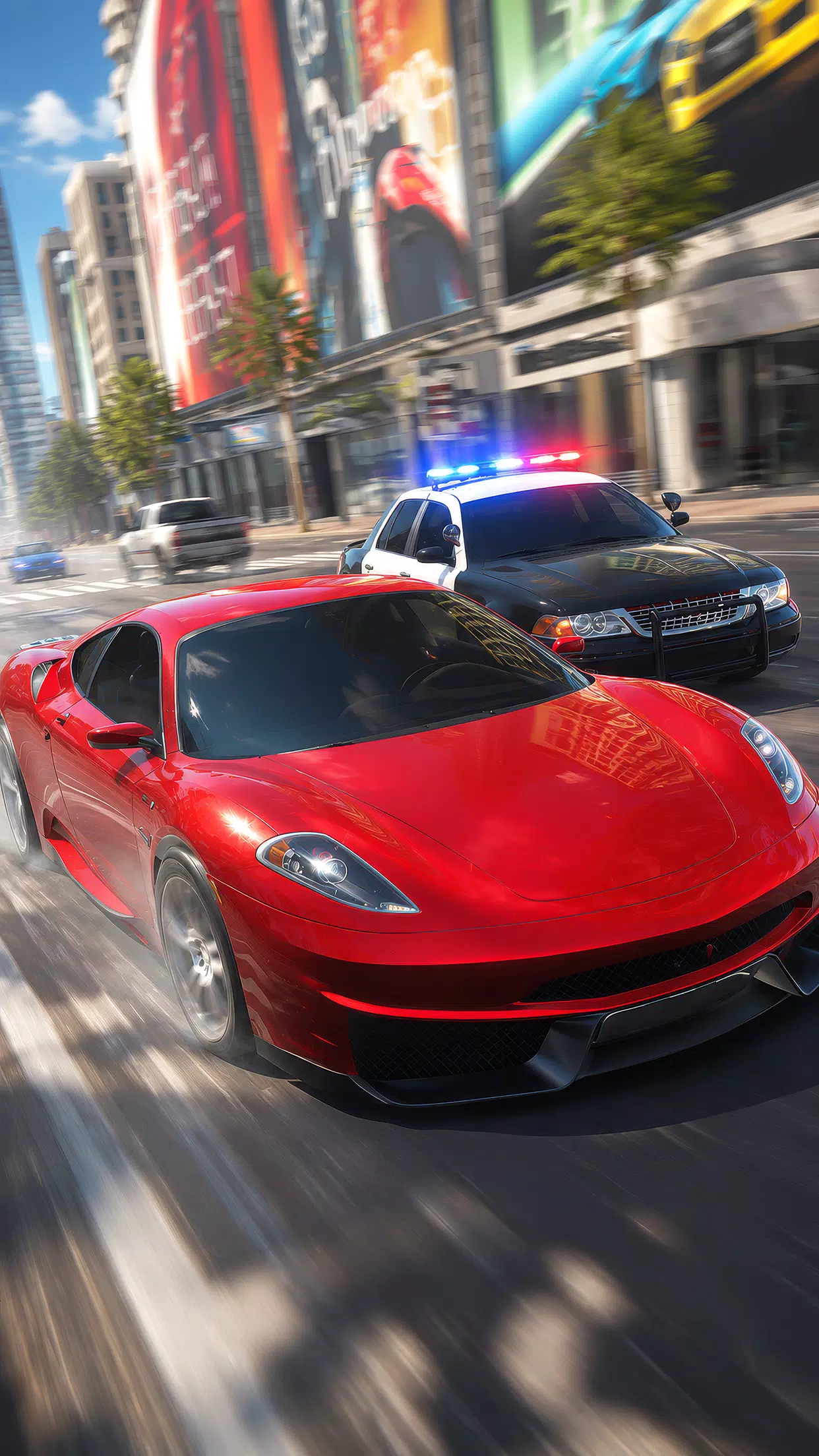
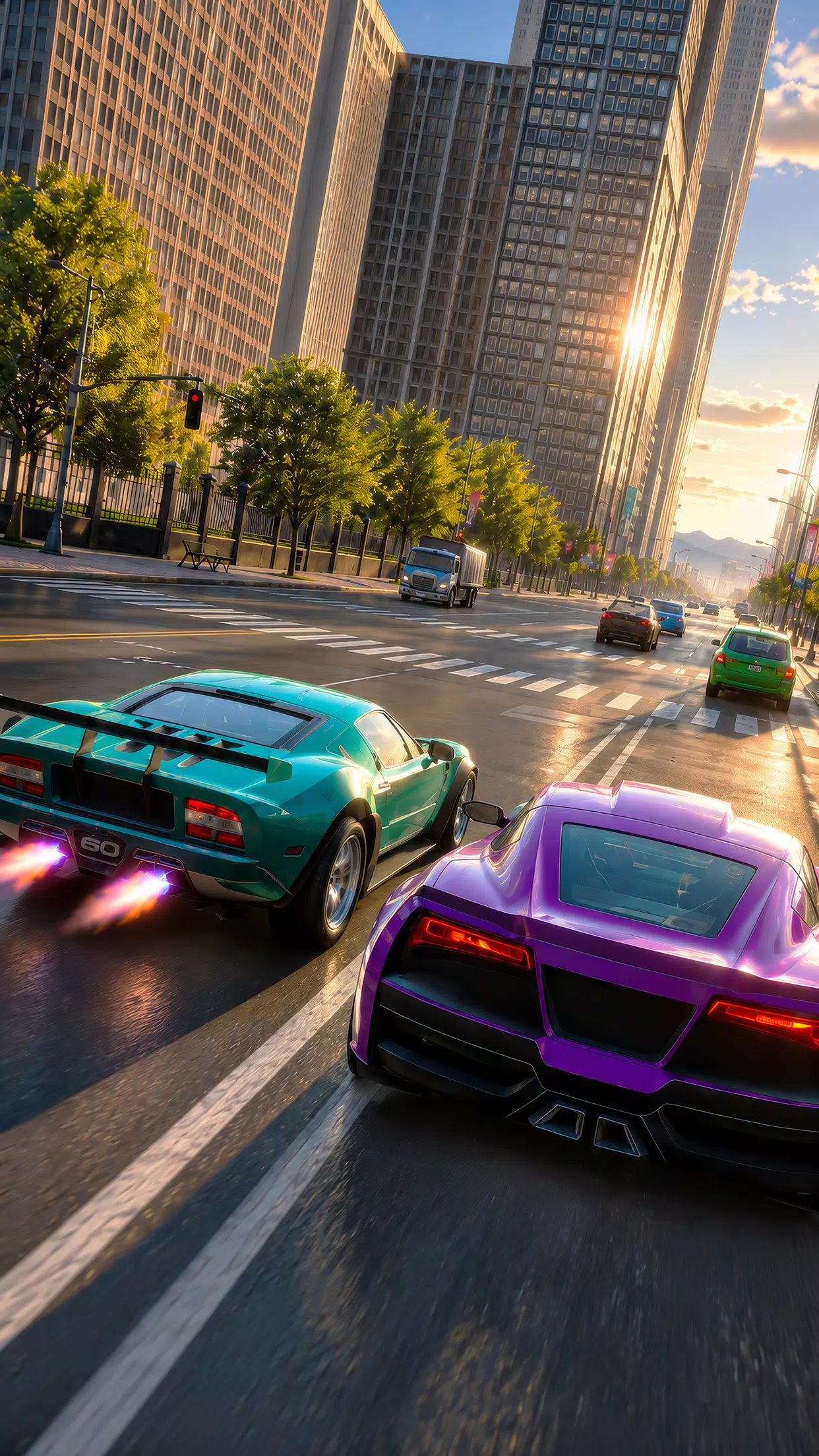
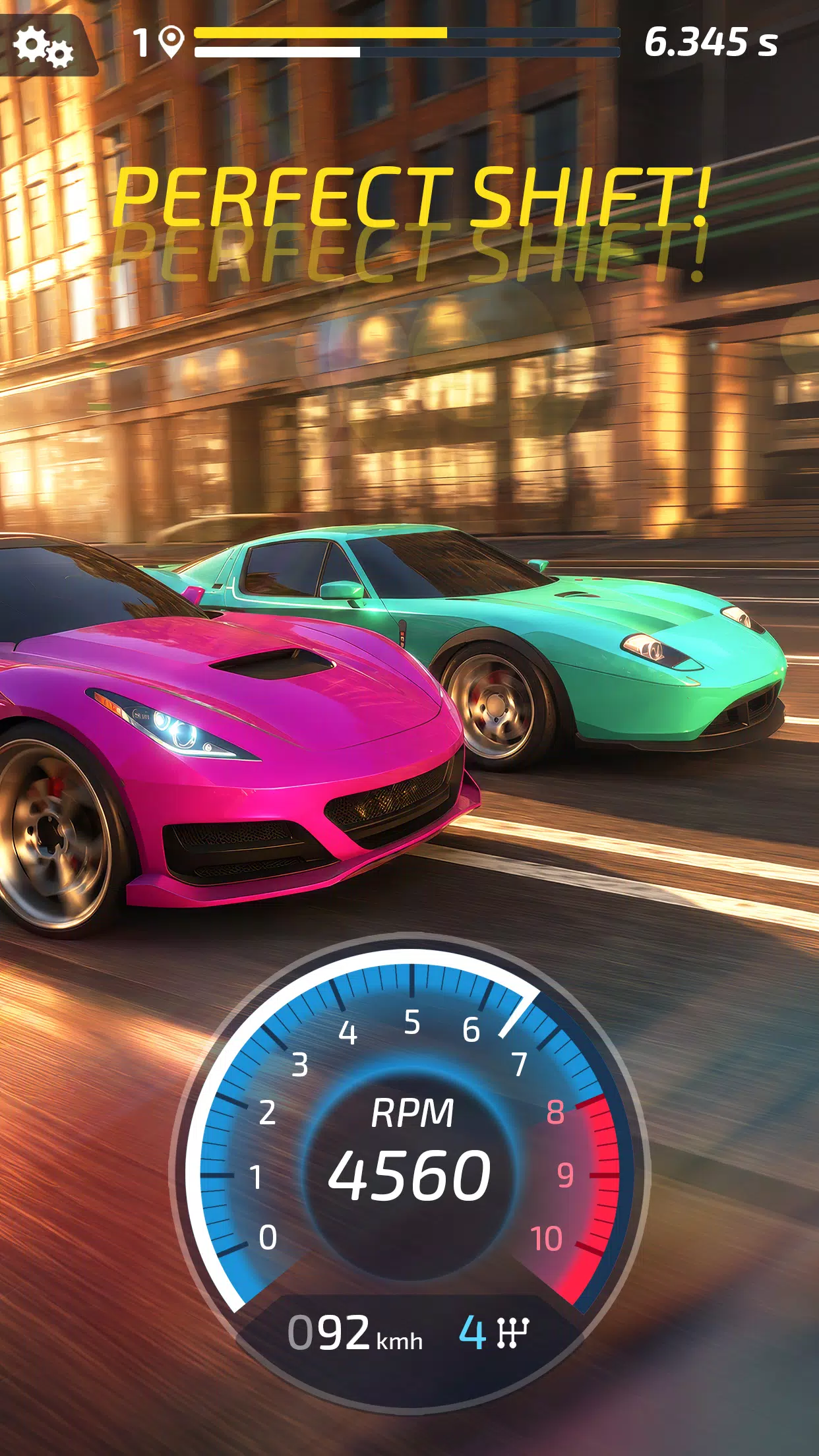
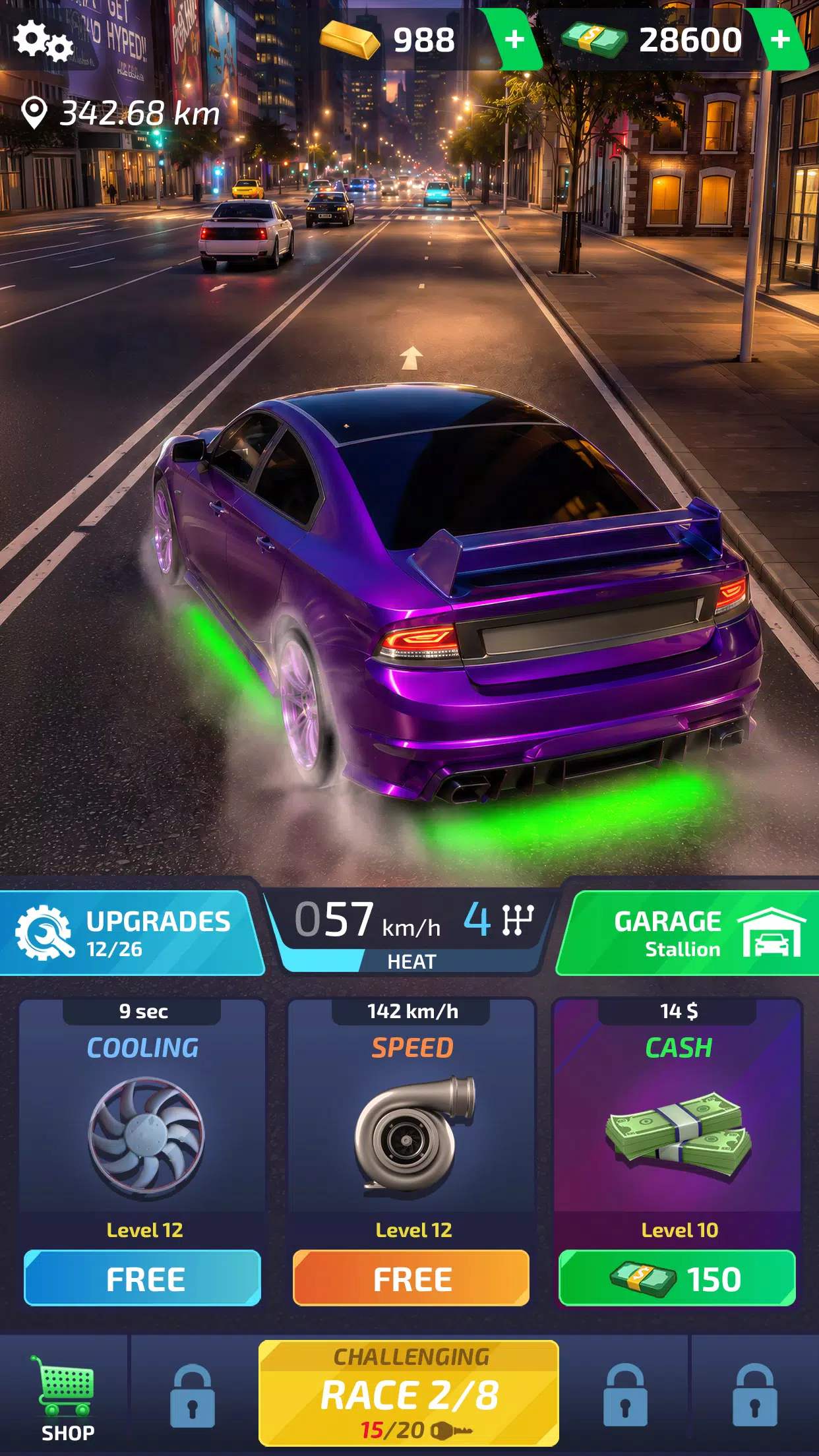
Street Racing Idle uses straightforward controls centered around tapping to boost and managing boost usage during runs. Races are short and focused: tap to accelerate at critical moments, trigger nitro bursts to overtake rivals, and watch simple readouts that indicate engine condition and speed. The design keeps input minimal so the game works well on small screens or when you only have a few minutes to play, while the idle mechanics ensure progress continues when you close the app. The tactile feel of occasional active involvement complements the steady background progression loop.
Progression & Challenge System
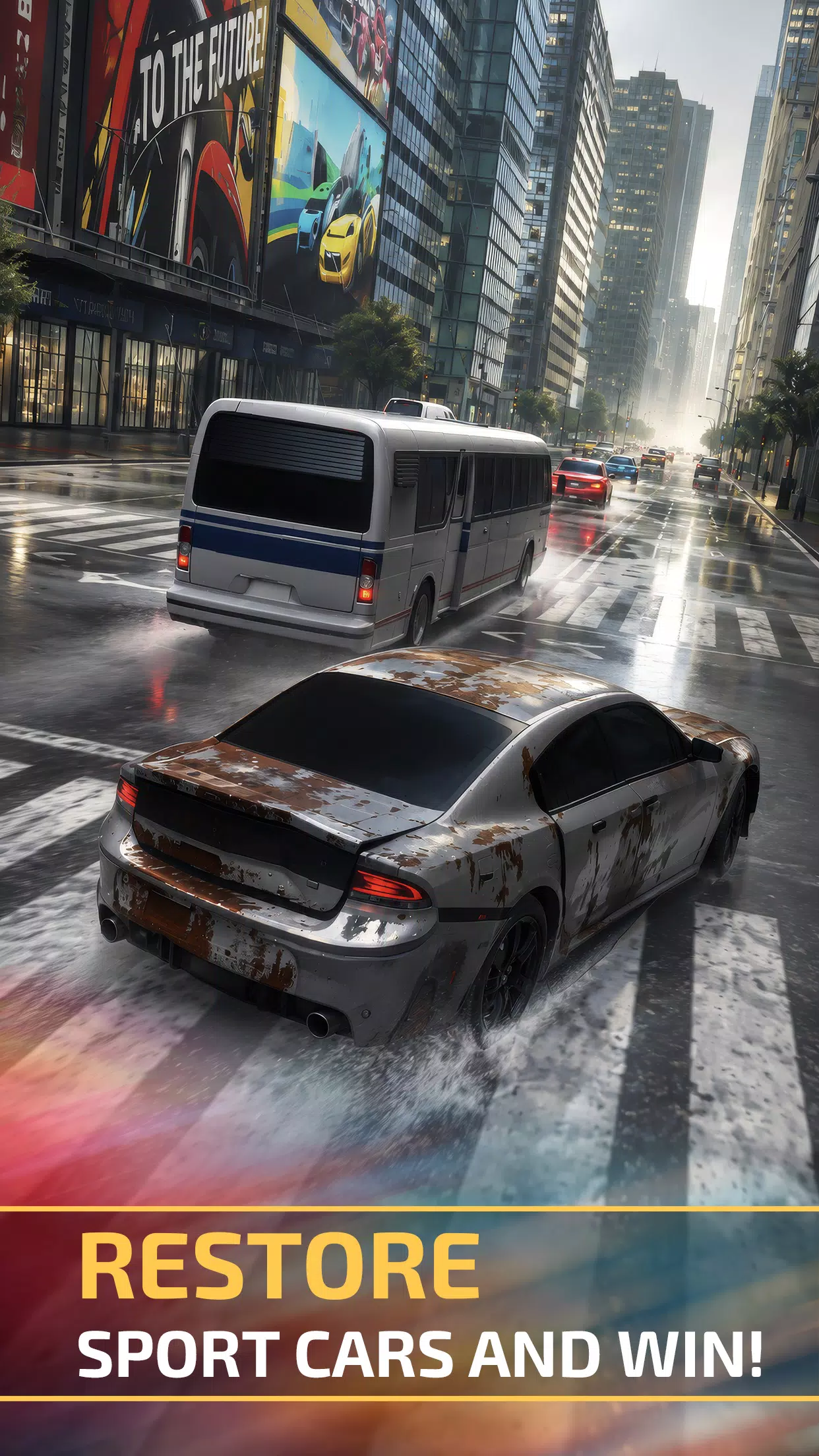
Progression is structured around fully upgrading each ride before the next becomes available, creating a clear sequence of goals and a satisfying sense of completion as you restore and tune every component. As you move through the roster of vehicles, AI rivals become tougher and payouts scale up, which encourages strategic spending of parts and tuning choices. Challenges come from limited garage space, budgeting upgrades, and deciding whether to focus on appearance or raw performance. The risk-versus-reward loop of spending on cosmetic items versus performance upgrades adds depth without complicating the core mechanics.
Customization & Visual Style
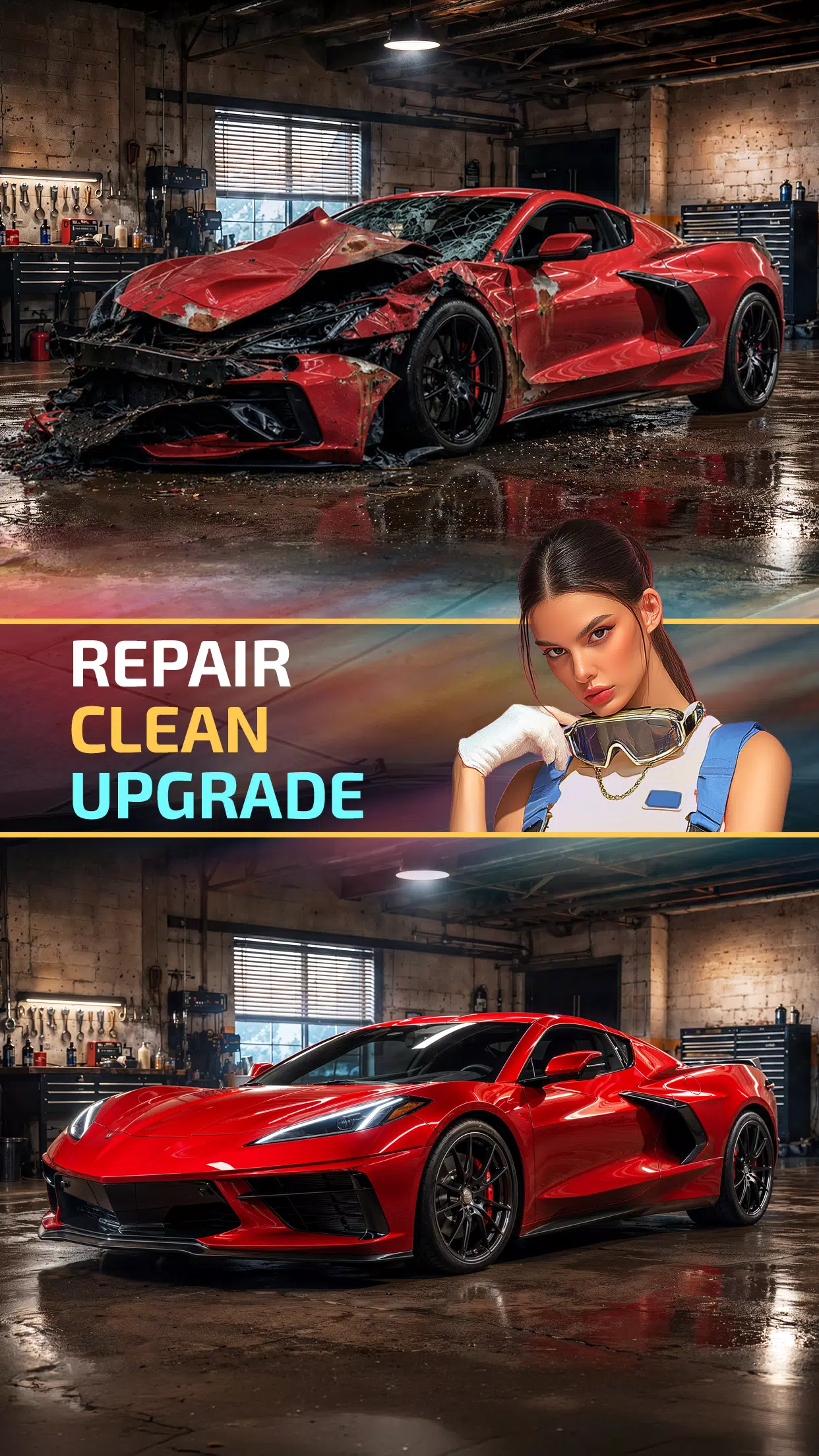
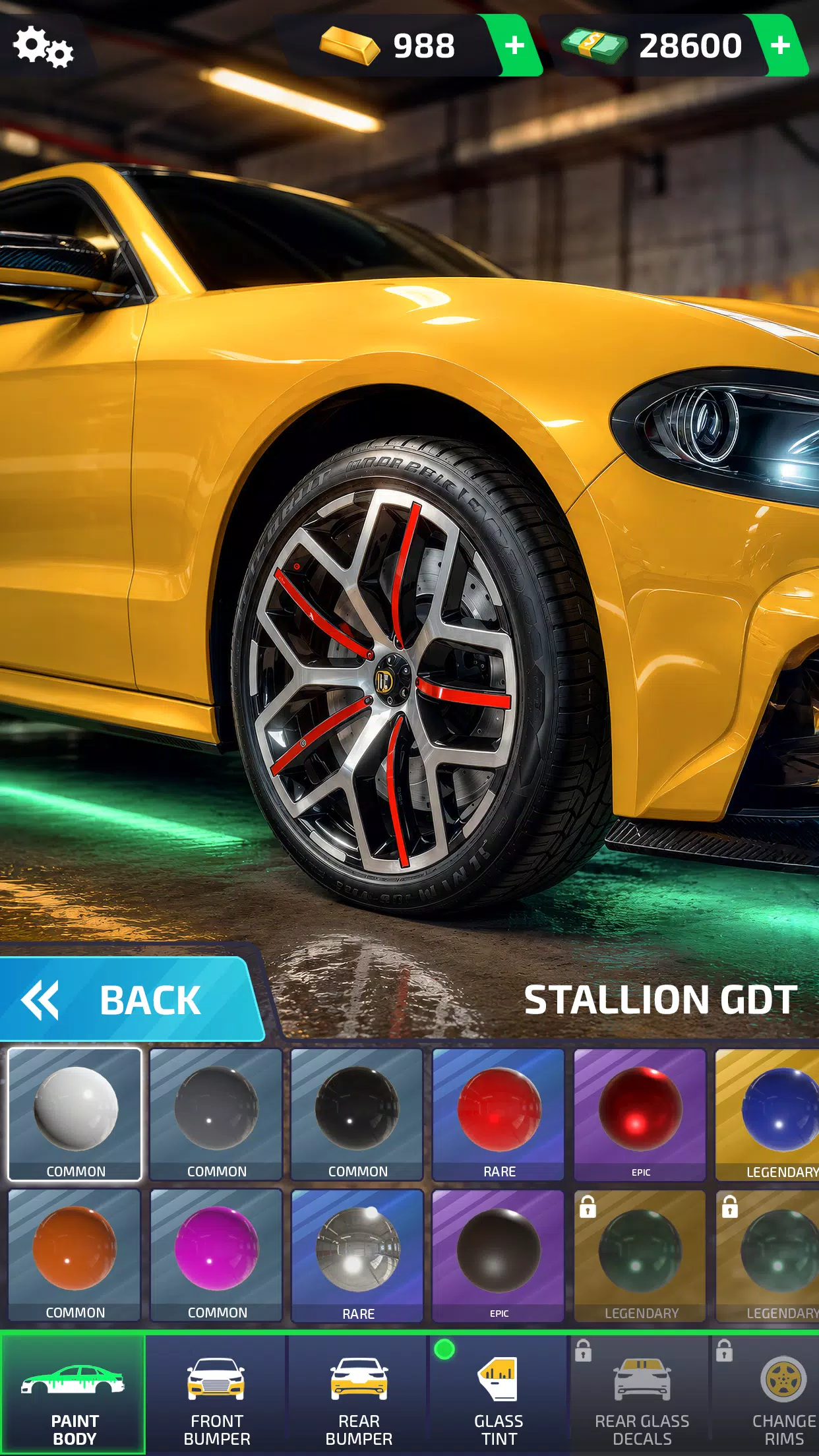
Visual customization in Street Racing Idle ranges from basic cleaning and paintwork to decals, rims, and body kits, allowing each car to show a clear before-and-after progression. Performance-oriented parts such as engines, suspension, tires, and nitro systems change how a car handles and how it performs in short runs. The game emphasizes visible transformation so that each upgrade is reflected in the vehicle’s look and driving characteristics, making the garage feel like a personal collection of projects rather than a set of abstract statistics.
Level Structure & Replay Value
Each vehicle functions as a self-contained level: restore it, upgrade it through progressive tiers, and beat the set of rivals to earn the next car and unlock new parts. This structure encourages replayability because players can revisit earlier cars with new tuning strategies or aim to optimize earnings using different combinations of upgrades. The steady ramp of difficulty and rewards keeps the loop engaging while the mix of active runs and idle earnings reduces repetition fatigue.
User Experience & Accessibility
The interface prioritizes clarity: upgrade paths, income meters, and tuning effects are presented in simple terms so new players can make informed decisions without reading long manuals. Controls remain forgiving; you do not need precise inputs to advance, and the game supports short bursts of interaction or extended passive play. This makes Street Racing Idle approachable for players of varying skill levels and suitable for commuting, short breaks, or casual gaming at home.
Offline Progress & Rewards
Idle earnings accumulate when the app is closed, allowing you to return and claim rewards that reflect offline activity. This offline progression is balanced so that active play still offers faster or more targeted gains, but time away from the screen is never wasted. Optional rewarded ads are available for players who want to speed up their recovery, boost earnings, or receive temporary bonuses without altering the core progression for those who prefer not to use them.
Advantages
The combination of brief active runs and meaningful idle progression provides flexible play patterns, and visible car transformations offer a tangible sense of accomplishment. Clear upgrade goals tied to unlocking the next vehicle keep objectives focused, and multiple ways to boost income let players choose the pace they prefer.
Disadvantages
Because progression requires fully upgrading a car to unlock the next, some players may find access to new vehicles slower than expected. Rewarded ads are integrated to accelerate income, which can feel intrusive to players who prefer entirely ad-free progression, though they remain optional rather than mandatory.
- No virus
- No advertising
- User protection
Information
- File size: 197.20 M
- Language: English
- Latest Version: 0.2.6
- Requirements: Android
- Votes: 495
- Package ID: com.akpublish.idle.race.overtake
- Developer: AKPublish pty ltd
Screenshots

-
1

9-Ball Pool Billard Profi Lite
Download -
2
Turbo Stars - Rival Racing Mod
Download -
3

Top Stars Football League
Download -
4
HAJWALH LINE Mod
Download -
5
Car Racing Game 3D - Car Games Mod
Download -
6

Sachin Saga Cricket Champions Mod
Download -
7

Baseball Games Offline Mod
Download -
8
TopSpeed: Drag & Fast Racing Mod
Download



Explore More
Small games that help pass the time have evolved into a plethora of cool and refreshing experiences that allow us to briefly immerse ourselves without getting addicted, providing us with plenty of enjoyment even if we can only play them for a short while sometimes.

Daily Words
The half-demon Malevola Clicker

Puzzle Beauty Mosaic
Pandeiro Instrument

2020: Apocalypse Puzzle Block

Junior H Música Piano Juegos

Cat Piano Tap: Music Game

Blanc Clicker: Bunnies and Reindeers