Introduction
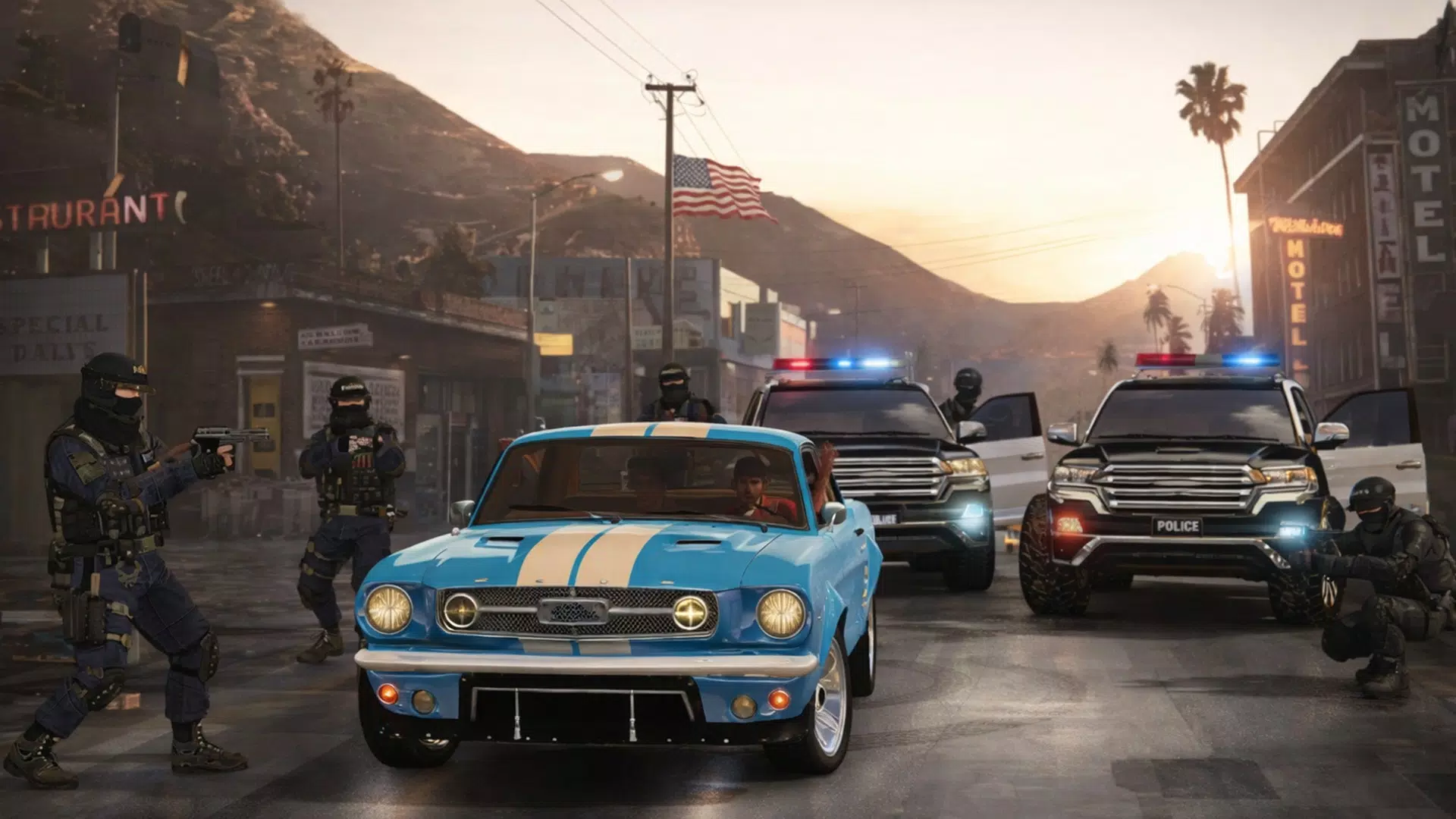
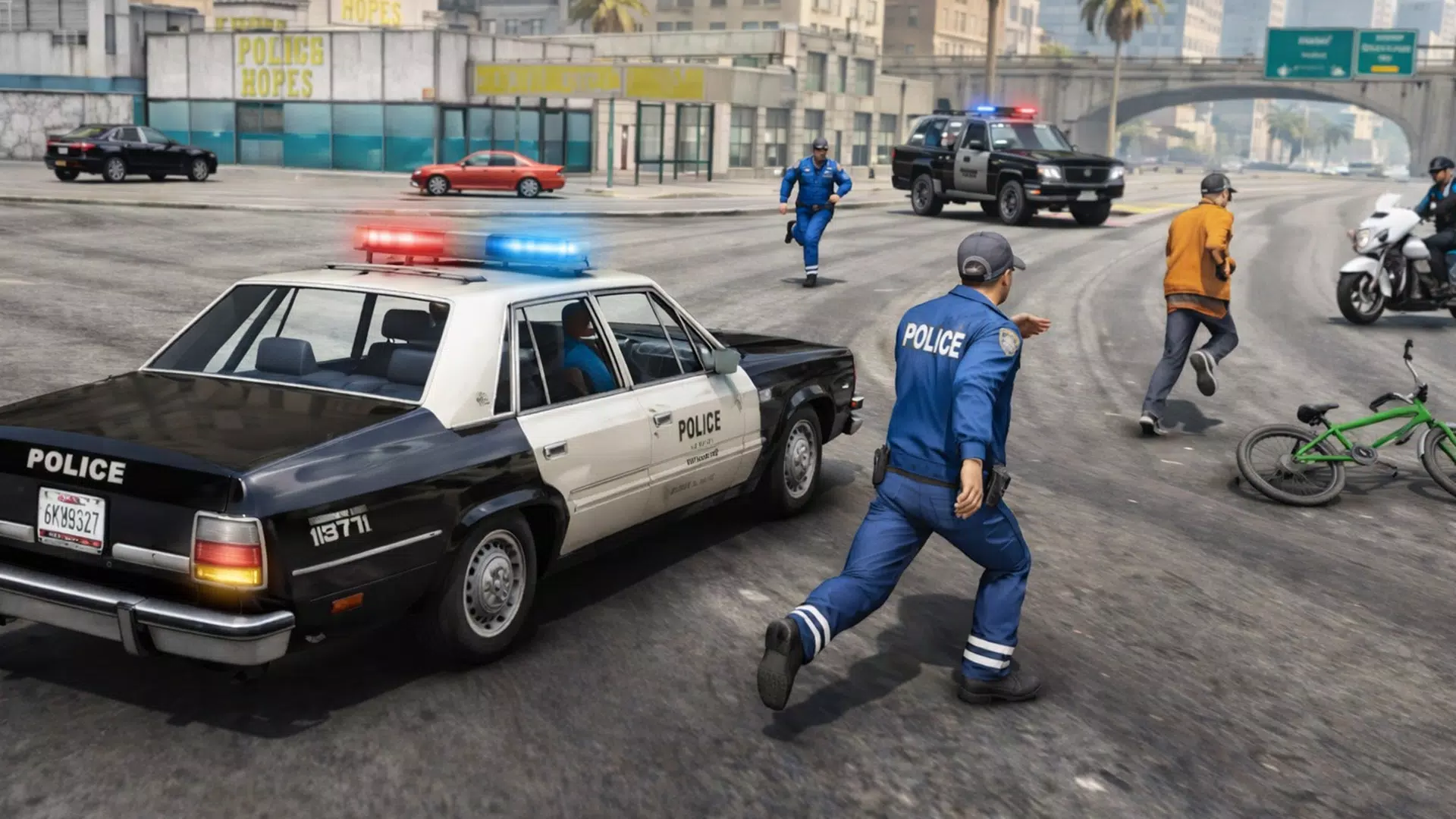
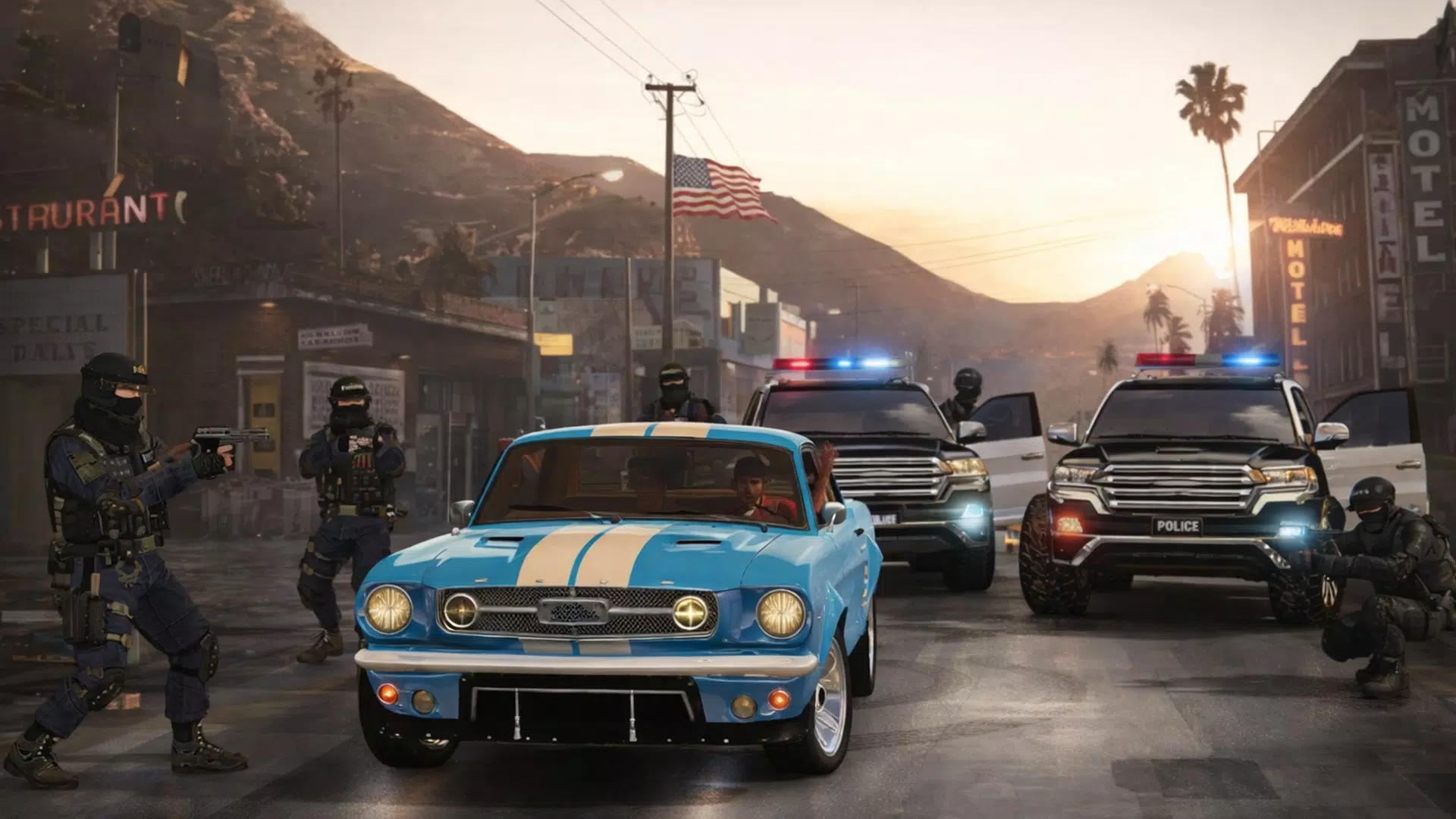
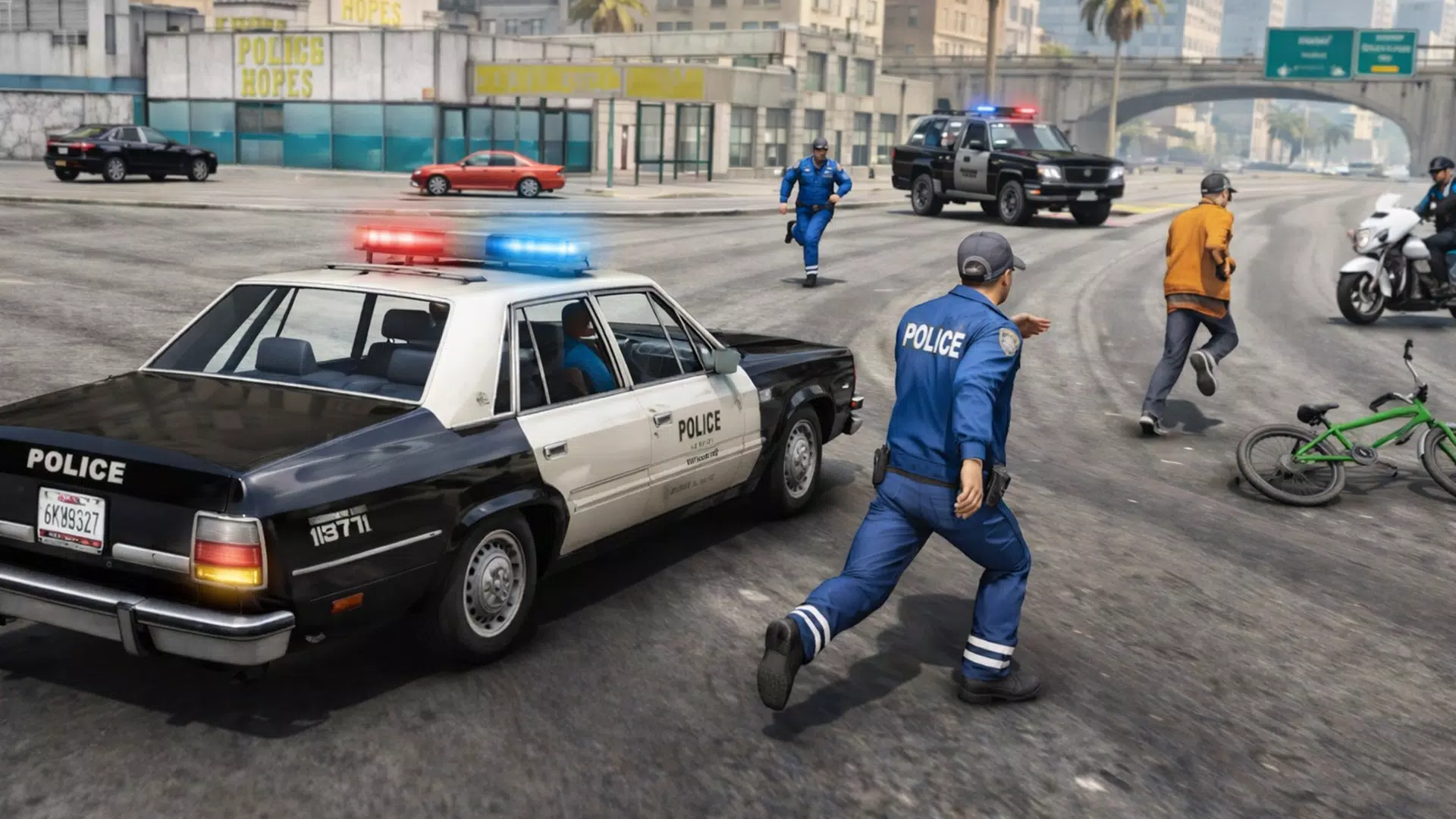
US Police Car Escape Chase drops you into high-adrenaline pursuit scenarios where timing, line choice, and vehicle control matter as much as raw speed. In the opening missions of US Police Car Escape Chase you learn to read the city, use cover and landmarks, and balance risk against reward while evading increasingly aggressive pursuit units. The introduction is designed to orient new players quickly so they can focus on driving, improving their runs, and exploring alternate routes across diverse 3D environments.
Key features and core loop
The game’s core loop centers on short, intense chases that reward anticipation and clean driving rather than frantic input. Each mission presents a clear objective—reach a checkpoint, survive for a set time, or escape before interception—while layered challenge modifiers create optional goals for players who want more depth. US Police Car Escape Chase emphasizes momentum and steering precision: maintaining speed through corners, hitting apexes, and using limited boosts strategically all contribute to better times and higher mission ratings. Environmental variety, from dense downtown grids to open highways, keeps the chase dynamics fresh and encourages route memorization.
Gameplay mechanics and handling model
The handling model blends arcade accessibility with tactile feedback: vehicles simulate weight transfer and grip without requiring simulator-level inputs. Throttle modulation, braking, and steering inputs influence understeer and oversteer, and drifting is tied to both speed and steering angle so practice improves consistency. A simple boost or nitro mechanic appears on select missions to create close-call moments, and handbrake use enables tight recoveries and deliberate slide entries. Collision penalties and damage affect handling subtly, rewarding careful driving while allowing occasional mistakes to be recovered from during a run.
Controls and device support
Controls are adaptable to different play preferences and hardware. Touch players can choose a precise on-screen steering wheel or button-based left/right inputs; tilt controls use the device gyroscope for players who prefer physical steering. Sensitivity sliders let you tune steering responsiveness and brake input, while optional aim-stabilizing camera toggles reduce abrupt viewpoint changes during tight maneuvers. The control options balance accessibility for casual sessions with enough adjustment for players who want tighter, more competitive personal bests.
Progression, upgrades, and replay value
Progression follows a mission-based structure that unlocks new maps, tougher pursuit patterns, and modest vehicle upgrades. Completing objectives under constraints—such as clean runs, minimal damage, or beating target times—earns in-game currency that can be spent on engine, handling, and durability improvements. Rather than forcing a single path forward, the system encourages replay by offering optional challenge goals and hidden routes that reward exploration and skill refinement. Local leaderboards and personal best tracking give players tangible milestones to beat during repeat runs without requiring online accounts.
Visual style, performance, and device scaling
Visually the game favors clarity and readable environments to support high-speed gameplay: cars are distinct enough to feel unique while backgrounds remain optimized to avoid clutter during chases. Quality settings allow players on older hardware to prioritize frame rate over detail, and effects such as motion blur, skid marks, and reflections are applied sparingly to enhance immersion without masking the road. Camera work is tuned to emphasize motion while keeping the horizon and important landmarks visible, helping players learn routes and anticipate upcoming turns.
Customization and accessibility options
Customization focuses on practical personalization: paint colors, basic liveries, and incremental performance tweaks let players tailor handling to different mission types. These choices are meaningful rather than purely cosmetic, enabling experimentation to find setups that favor top speed, cornering, or durability. Accessibility features include adjustable difficulty modifiers, control sensitivity sliders, and camera stability toggles so players can create a comfortable experience. Tutorials introduce mechanics progressively to prevent overwhelm while highlighting useful techniques like drifting, boost timing, and evasion strategies.
Level design and challenge systems
Levels are crafted to present varied navigational tests: tight urban sprints emphasize precision and memorized turns, industrial zones reward route knowledge and short-cuts, and long highway stretches focus on drafting and timing. Challenge systems layer objectives on base missions—time-run streaks, no-collision awards, or limited-boost escapes—so each map supports multiple playstyles and goals. Difficulty increases by adding more pursuing units, smarter interception behavior, or resource constraints, encouraging players to adapt rather than rely on a single tactic.
US Police Car Escape Chase is fully playable offline and supports quick pick-up-and-play sessions as well as longer runs for players chasing better times. The combination of accessible controls, meaningful upgrades, varied environments, and layered challenges makes the game approachable for casual players while offering measurable skill-based goals for those who enjoy refining their technique.
- No virus
- No advertising
- User protection
Information
- File size: 147.00 M
- Language: English
- Latest Version: 0.4
- Requirements: Android
- Votes: 262
- Package ID: com.police.chase.adventure.uscar.race.game
- Developer: Fun Berry Labs
Screenshots




-
1
Neonverse: Invaders Shoot'EmUp Mod
Download -
2

Slingshot Bulldozer Mod
Download -
3
Galaxy Shooter - Space Attack Mod
Download -
4

You Sunk - Submarine Attack Mod
Download -
5
War Machines:Tanks Battle Game Mod
Download -
6

Country Balls: Armageddon Mod
Download -
7

Flying Flogger Mod
Download -
8

STRIKERS 1945-2 Mod
Download




Explore More
Small games that help pass the time have evolved into a plethora of cool and refreshing experiences that allow us to briefly immerse ourselves without getting addicted, providing us with plenty of enjoyment even if we can only play them for a short while sometimes.

Juicy Candy Quest

Piano Blackclover Game

Race Cars

Typing Practice

Bullet Impact

Princess Coloring Book for kid

『ゆるキャン△ ~ぱずるキャンプ~』

Swipe and Wipe