Introduction
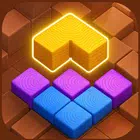
Wild Block Logic Quest is a compact but thoughtfully designed puzzle game that puts color, pattern recognition and careful planning at the center of every level. In short sessions you rotate, place and align blocks to match target patterns, clear lanes or meet placement constraints while adapting to level-specific obstacles; early stages introduce mechanics gently and later puzzles reward foresight and economy of moves, making the pacing suitable for brief commutes or longer focused sessions.
Gameplay and core mechanics
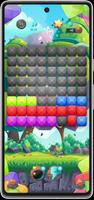
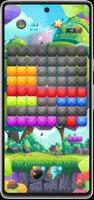
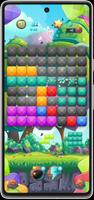
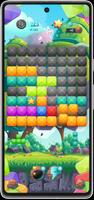
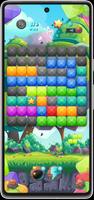
The game's core revolves around block placement and spatial pattern solving rather than fast reflexes. Each board presents a specific objective — match a shape, fill a lane, or arrange colors in a sequence — and you must plan a sequence of placements and rotations to reach the goal within a limited number of actions. Predictable block behavior helps you develop reliable strategies while elements such as immovable tiles, directional conveyors and locked cells introduce tactical variety. Levels can require single-step solutions or layered multi-move sequences where each decision affects later options, so thinking a few moves ahead is typically the key to success.
Controls and user experience
Controls are intentionally simple and tuned for touch screens: tap to select a block, drag to place it, and use quick gestures to rotate when applicable. The interface keeps controls close to the playfield to minimize hand travel on phones and tablets, and optional sensitivity settings let you adjust tap and swipe responsiveness. Visual aids highlight legal placements and shake out illegal moves, while subtle haptic feedback confirms valid actions. Sound effects and volume controls are separated from visual settings so you can tailor audio feedback independently of on-screen clarity.
Progression, level structure and challenge systems
Progression follows a clear level-by-level structure organized into difficulty tiers. Introductory puzzles teach single mechanics and basic combos; midgame stages combine mechanics and introduce constraints that force longer-term planning; advanced levels require tight move counts and layered problem solving. Many stages include optional challenge objectives — for example, finishing within a stricter move limit or reaching a higher score threshold — which unlock bonus puzzle packs or small cosmetic rewards. This tiered ramp keeps the learning curve measured while offering additional goals for players who enjoy optimizing strategies.
Visual style and customization
The visual design emphasizes clarity: high-contrast block palettes, clean icons and legible fonts make both the objectives and the current board state easy to read at a glance. Customization options allow you to choose alternative color schemes and background themes to suit lighting conditions or color-vision preferences. These cosmetic adjustments do not alter gameplay but help with comfort and accessibility, letting you switch to simplified palettes or higher-contrast themes to reduce visual clutter during extended puzzle sessions.
Replay value and accessibility
Replayability is driven by varied objectives, optional challenge variants and a steady stream of new configurations that invite revisiting earlier puzzles to improve efficiency. Players who enjoy shaving moves or completing constraints will find incentives to replay levels, while level design encourages different approaches so solutions rarely feel repetitive. Accessibility features include adjustable contrast, a one-handed simplified input mode and clear visual markers that support players with different needs. These options make the game approachable for a broad audience without compromising the puzzle design.
Offline play and performance
Wild Block Logic Quest runs smoothly offline and is optimized for battery-friendly performance so you can play without a persistent network connection. The app saves progress locally so sessions interrupted by travel or limited connectivity resume exactly where you left off. Performance optimizations focus on consistent frame pacing and responsive controls even on modest hardware, keeping the tactile feel of placements and rotations reliable across a wide range of devices.
Who it’s for and known limitations
This title is best suited to players who appreciate thoughtful spatial puzzles rather than action or story-driven games. It supports quick casual plays and deeper puzzle runs for those who want to improve move efficiency or tackle optional constraints. Note that the difficulty curve becomes demanding in later tiers, and the emphasis on mechanical puzzles means the game intentionally keeps narrative and character progression minimal, focusing instead on pure puzzle design and level variety.
Summary
Overall, Wild Block Logic Quest delivers a polished, accessible block-based puzzle experience with responsive controls, clear visuals and measured progression. With offline play, customizable visuals, layered challenge modes and thoughtful accessibility options, the game provides consistent mental workouts for fans of strategic puzzle play and steady progression, while remaining approachable for newcomers who prefer to learn at a deliberate pace.
- No virus
- No advertising
- User protection
Information
- File size: 20.26 M
- Language: English
- Latest Version: 1.0
- Requirements: Android
- Votes: 310
- Package ID: com.laxradenco.wildblocklogicquest
- Developer: Laxradenco
Screenshots













Explore More
Small games that help pass the time have evolved into a plethora of cool and refreshing experiences that allow us to briefly immerse ourselves without getting addicted, providing us with plenty of enjoyment even if we can only play them for a short while sometimes.

Piano Blackclover Game

Race Cars

『ゆるキャン△ ~ぱずるキャンプ~』

Swipe and Wipe
Daily Words

Street Racing Idle

The half-demon Malevola Clicker

Puzzle Beauty Mosaic