Introduction
Sacred Sins launches players into a dark, collapsing world where Olympian gods and abyssal legions collide, and survival depends on disciplined combat and strategic seduction; this prologue chapter introduces a playable character shaped by training, allegiances, and morally ambiguous decisions while establishing the narrative-first RPG tone. The opening acts of Sacred Sins present a controlled slice of a larger mythic conflict, combining cinematic story beats with approachable mechanics that are suitable for mobile play and for mature audiences who expect both action and relationship-driven systems.
Key Features
The game situates you between celestial champions and demonic invaders, drawing on Greek-inspired imagery and dark fantasy elements to frame each mission as a consequential step in a larger struggle. Story moments are staged like short, focused cinematics that reveal the ramifications of choices, and the prologue is written to teach through consequence: early decisions affect available allies, resource access, and scene outcomes. The pacing balances combat set pieces with interactive narrative sections so players can experience both tense battles and negotiation-driven encounters without abrupt tonal shifts.
Gameplay & Progression
Progression is anchored by two complementary systems: the Path of the Warrior emphasizes physical training, equipment upgrades, and tactical combat influence, while the Art of Conquest rewards social leverage, persuasion, and resource management. Both paths feed into one another, creating meaningful trade-offs—investing in social capital may unlock shortcuts or unique allies, while battlefield expertise opens options in confrontations where brute force is decisive. The prologue presents this progression through tutorialized chapters and standalone missions that introduce core mechanics incrementally so players can experiment with builds and understand the consequences of hybrid versus focused playstyles.
Combat Mechanics & Controls
Combat relies on timing, positioning, and ability choice rather than complex input chains, making it well suited to touch interfaces. Controls are optimized for mobile: gestures and context-sensitive taps trigger attacks and skills, while an intuitive contextual menu surfaces dialogue and interaction choices during non-combat scenes. Encounters scale from quick skirmishes to larger, staged battles that encourage the player to combine learned abilities and environmental advantages. The feedback loop is explicit—combat practice improves core stats like strength and agility, which in turn open new tactical options in later fights.
Visual Style & Level Structure
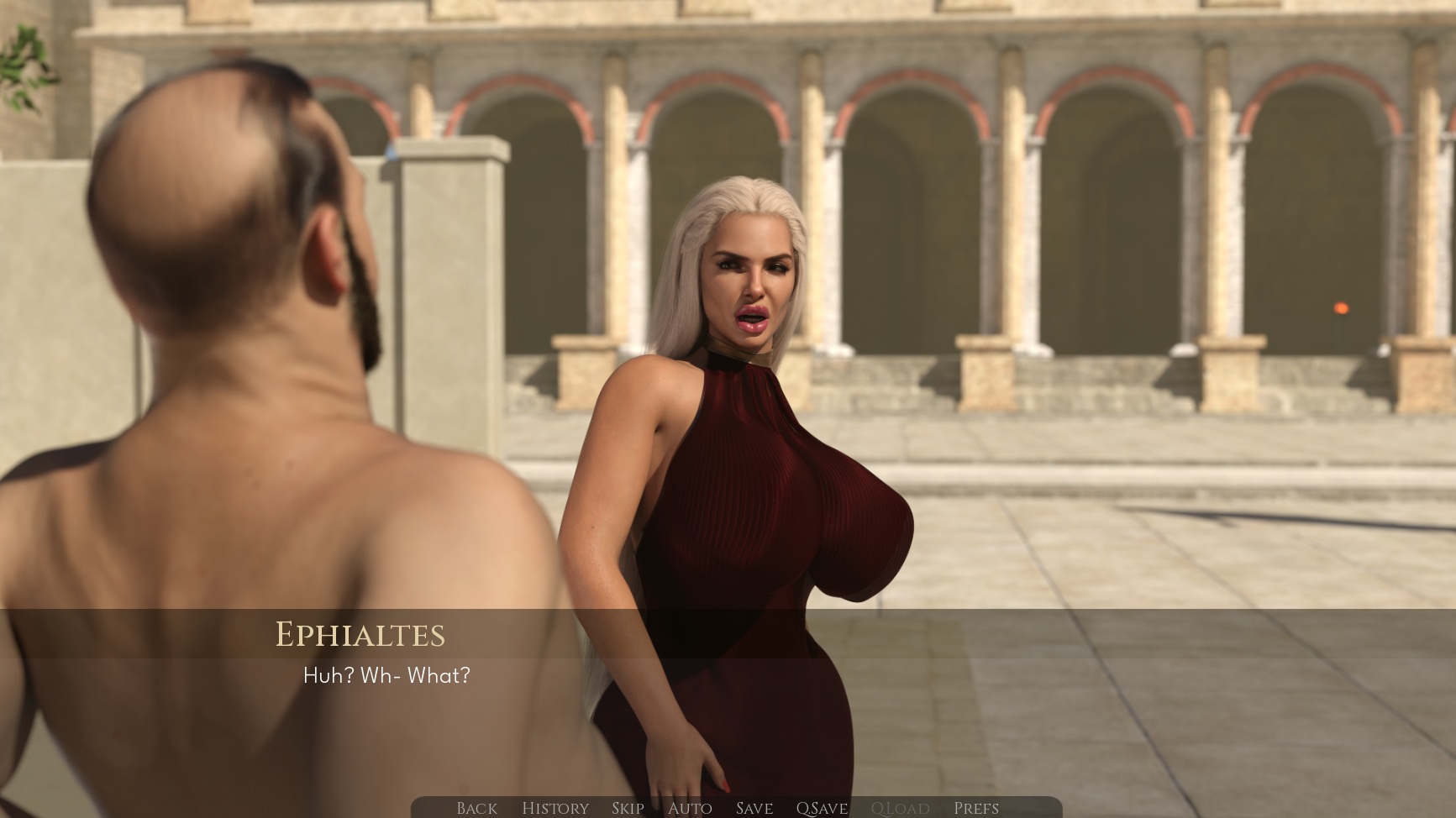
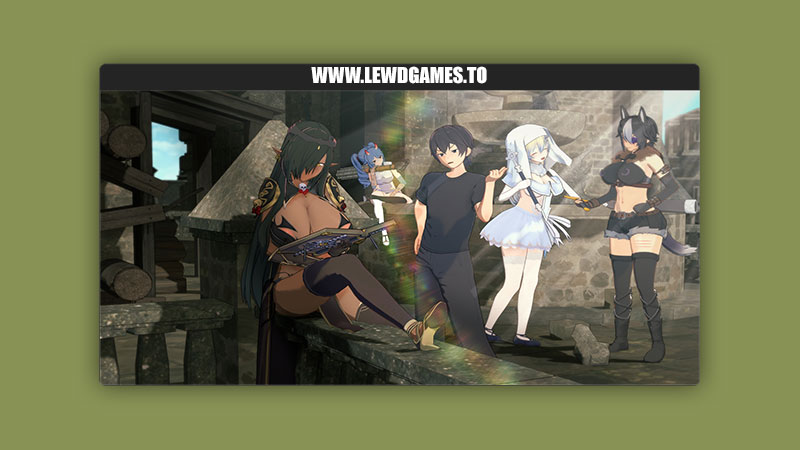
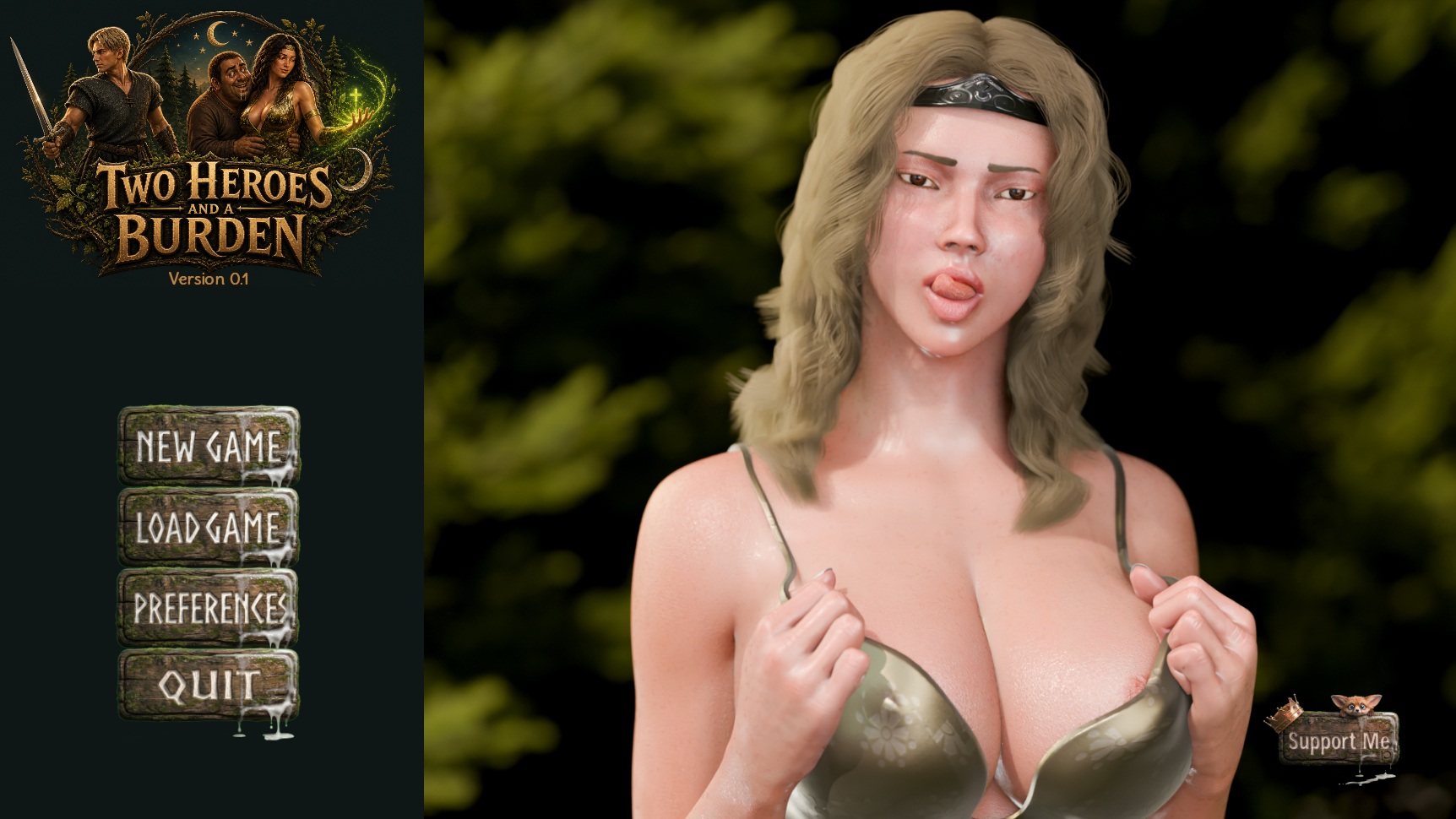
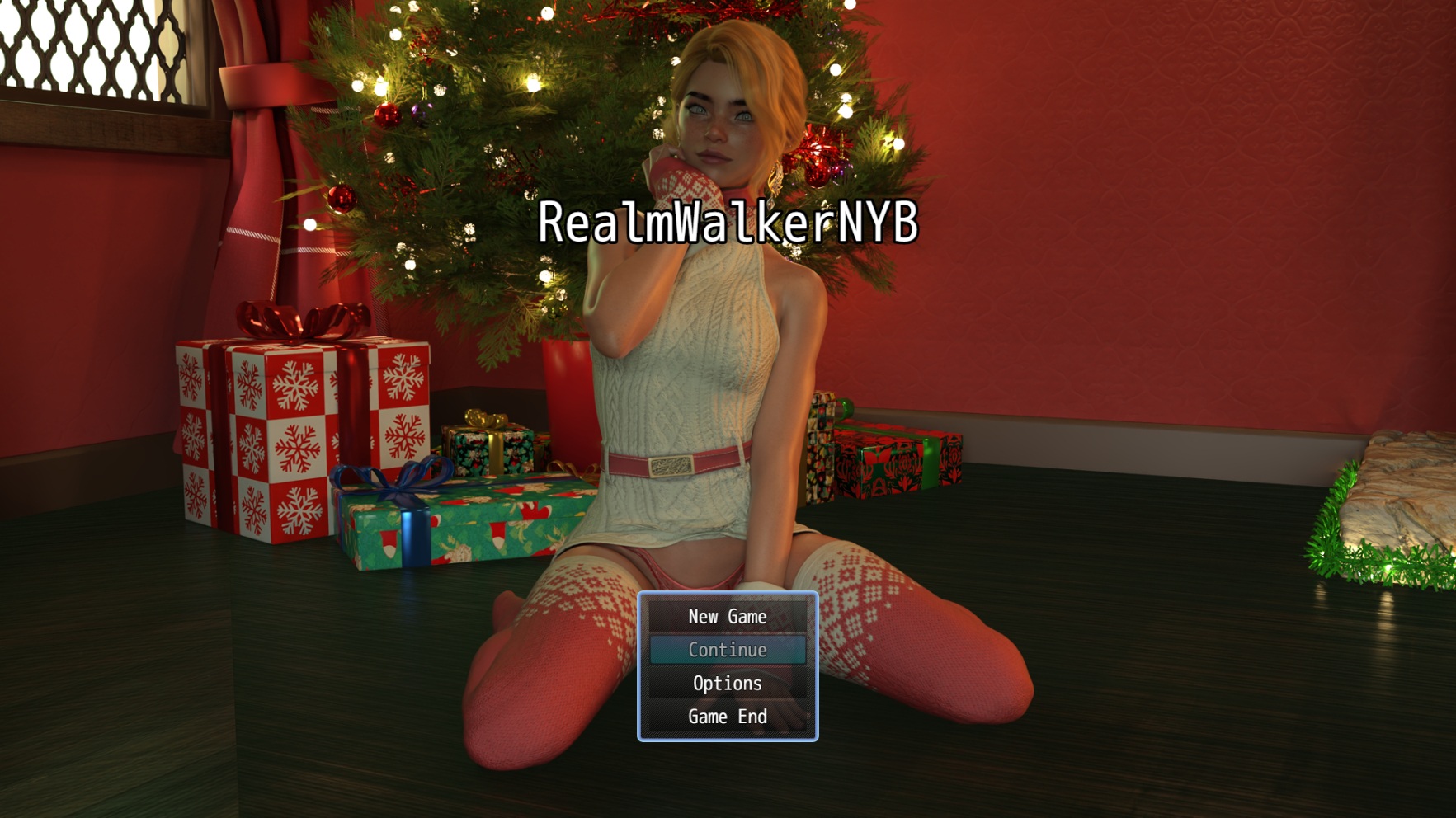
The art direction favors ultra-high-definition renders and cinematic lighting to convey intensity in both large-scale clashes and intimate narrative moments without resorting to explicit depictions. Levels are organized as discrete scenes and missions that mix exploration, confrontation, and conversation, with special boss-style encounters that punctuate story turning points. The prologue’s level design focuses on clarity and atmosphere, showcasing detailed character art, varied environments, and scene framing that underline emotional stakes and strategic choices.
Customization & Replay Value
Character customization affects appearance, gear emphasis, and long-term progression focus so each run can feel distinct. Players can tailor an avatar toward raw combat effectiveness, social manipulation, or a hybrid approach that leverages both. Narrative branching and resource-driven opportunities mean replaying the prologue with a different emphasis unlocks alternate scenes and outcomes, encouraging multiple playthroughs to see how different investments reshape alliances and story moments.
User Experience, Accessibility & Offline Play
The interface presents dialogue options, inventory, and progression screens in a clear, readable layout with adjustable text scaling, icon clarity, and basic UI contrast settings to support accessibility. Difficulty settings let players tune combat challenge from relaxed to demanding, and optional tutorial prompts can be disabled once the core systems are understood. Core systems are designed to function offline so players can progress through the prologue without a persistent connection, with local save states that preserve choices and unlocked content.
Challenge Systems & Engagement
Challenge design rewards planning, stat investment, and mastery over reflex-based timing rather than forcing repetitive grinding. Resource management—relationships, favors, and rare items—acts as an alternative currency that opens social strategies during missions, while physical upgrades directly affect battlefield viability. The prologue’s structure highlights how short-term choices produce long-term consequences, providing meaningful tension and replay incentives for players who enjoy deliberate decision-making.
Notes for Players
Sacred Sins contains mature themes and relationship mechanics intended for adult players and may not be suitable for younger audiences; the writing and presentation treat these elements neutrally and focus on narrative consequence rather than explicit content. As a prologue, the current scope emphasizes teaching and tone-setting rather than representing the full range of future content, but it establishes the core systems and aesthetic direction for subsequent chapters. For players interested in a cinematic, morally textured mobile RPG that blends tactical combat with social strategy, this introduction offers a compact but deep experience with strong replay value.
- No virus
- No advertising
- User protection
Information
- File size: 567.00 M
- Language: English
- Latest Version: 1.0
- Requirements: Android
- Votes: 452
- Package ID: com.game.sacred.sins
- Developer: Satisfaction 3D Games
Screenshots





-
1
Neonverse: Invaders Shoot'EmUp Mod
Download -
2

Slingshot Bulldozer Mod
Download -
3
Galaxy Shooter - Space Attack Mod
Download -
4

You Sunk - Submarine Attack Mod
Download -
5
War Machines:Tanks Battle Game Mod
Download -
6

Country Balls: Armageddon Mod
Download -
7

Flying Flogger Mod
Download -
8
STRIKERS 1945-2 Mod
Download



Explore More
Discover Exciting Action Games for Gamers: Unleash the Fun with Action-packed Adventures like Invincible Action, Co-op Thrills, DNF, Street Fighter, Combat, and Boxing Classics. Enjoy a Variety of Popular Action Mini-games to Play Online for Free, along with Collections of Hot Action Mini-games and Downloads. Invite your friends for a thrilling gaming experience!

Garena® Delta Force
Femdom Whisper

Football Dream:Global Champion

Unbreakable Love
Interrupted Innocence
Spy X Taxi
Sellsword Tales

Fishing Travel