Introduction
Tile Journey Saga offers an immersive 3D puzzle experience that puts the player in control of seven slots and a shrinking margin for error. In Tile Journey Saga you place tiles into those slots, try to form sets of three matching pieces, and uncover the deeper layers of each board; if all seven slots fill without creating a trio the run ends, so every placement matters. This opening paragraph covers the core loop and atmosphere: layered boards, short tense runs, and themed environments that invite repeated play without a steep learning curve.
Gameplay and Controls
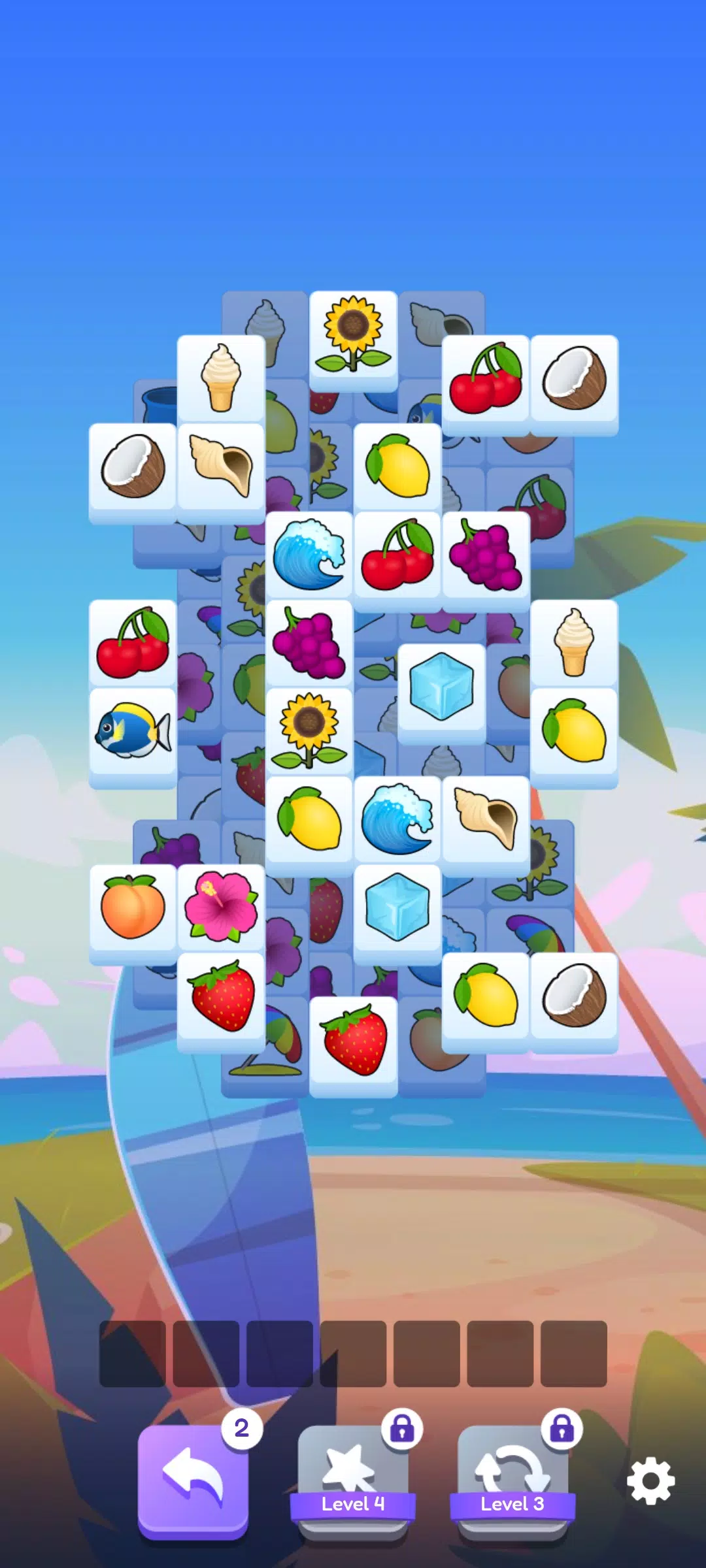
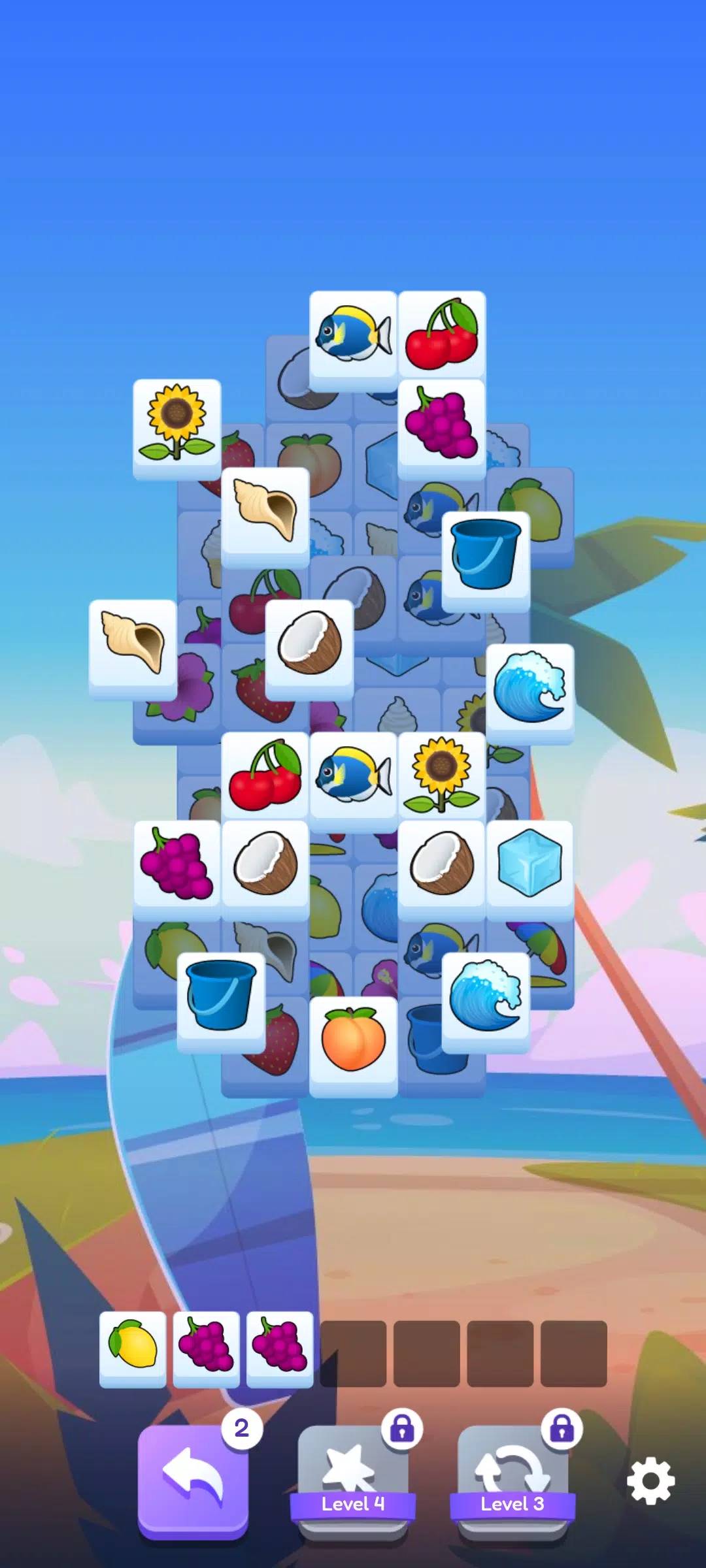
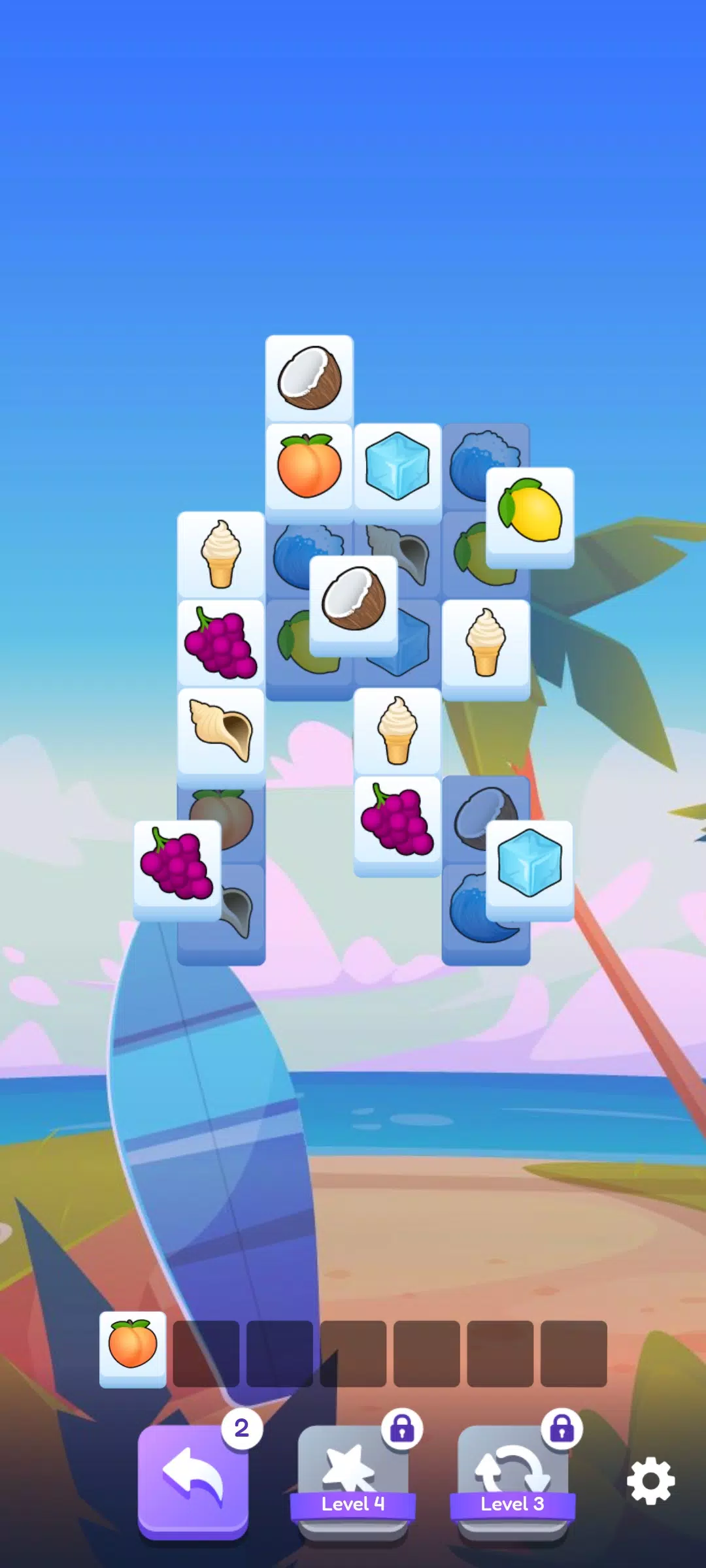
The core mechanic is intentionally simple to learn and rich to master: tiles arrive and you decide which of the seven slots to use, aiming to group three identical tiles so they clear and reveal the next layer beneath. Controls are touch-first and optimized for mobile devices—tap to pick up a tile, tap an empty slot to place it, and use a gentle drag if you prefer more direct control. Small animations and audio cues help you track where matches will occur and which tiles remain blocked, letting you focus on pattern recognition and short-term planning rather than fiddly inputs.
Progression and Level Structure
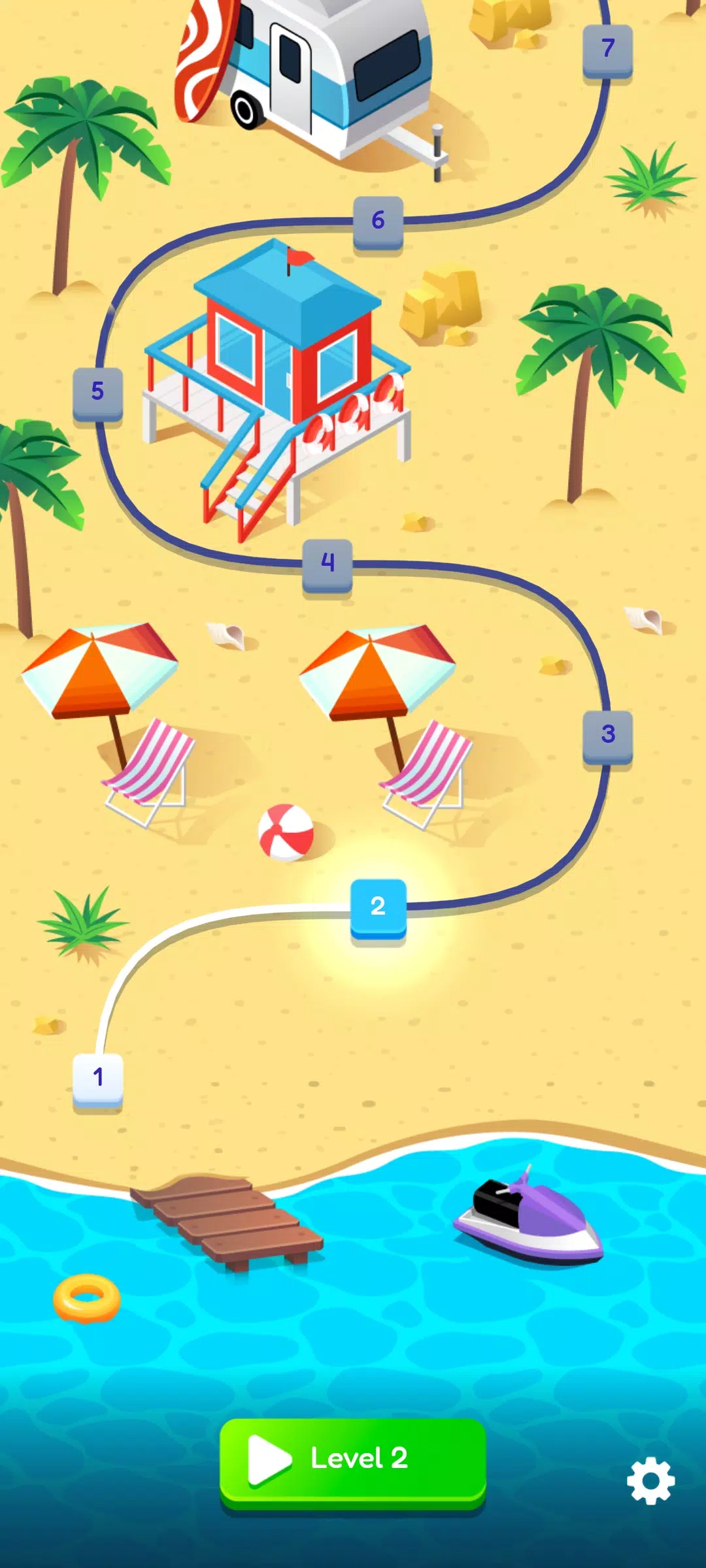
Levels in Tile Journey Saga are self-contained puzzles that gradually introduce new arrangements and slightly deeper layer stacks as you progress, so the difficulty ramps in a predictable, learnable way. Early stages teach the seven-slot constraint and basic trio patterns, while later levels present denser boards and more layers beneath the surface to reveal. Progression is level-based: clearing a board unlocks the next scenario and occasionally exposes fresh tile layouts that require adapting your placement strategy. This makes each stage a compact challenge with a clear entry and exit point.
Visual Style and Themed Environments
The game uses colorful 3D visuals and distinct themes—ancient ruins, futuristic cities, enchanted forests—to provide visual variety that helps you reset mentally between runs. Each theme applies to the art direction, lighting, and ambient sound, so mechanics stay familiar while the look and mood shift. Subtle depth cues and layered visuals make it easy to identify tiles on different strata, which keeps the focus on decision-making instead of eye strain.
Customization and Accessibility
While the gameplay centers on tile matching, the interface offers options to tailor visuals and controls to your comfort: adjustable UI scale, a simplified color palette for clarity, and sound toggles to suit different environments. These settings are designed to make the experience approachable for a wide audience without changing the core challenge. The game’s readable fonts and clear contrast between tiles and backgrounds further improve accessibility for players who prefer larger elements or reduced visual clutter.
Replay Value and Challenge Systems
Replayability comes from the layer-based boards and the tight decision space created by the seven-slot restriction. Each run is relatively short, encouraging repeated attempts to refine placement strategies and improve consistency. Challenge systems are driven by increasing layer counts, more complex tile distributions, and occasional constrained layouts that require deliberate long-term planning. Because each level is self-contained, you can jump back into a familiar board to practice or try a new stage when you want a different puzzle rhythm.
User Experience and Performance
The interface emphasizes clarity and responsiveness: quick animations, clear feedback on matches, and minimal menus let you get into a run within seconds. Performance is tuned for handsets so animations remain smooth and input latency is low, preserving the feeling of decisive control. The presentation avoids excessive tutorials; instead, it offers short on-boarding hints that appear only when a new mechanic arrives, keeping the experience light and focused.
Offline Play and Practical Details
Tile Journey Saga is designed to work offline for casual sessions on the go; you do not need a persistent connection to play the core puzzles, which makes it convenient for travel or short breaks. Save data is kept locally so your unlocked levels and progress remain available without network access. If you want a compact, strategic puzzle game with visually distinct stages and a compact run length, Tile Journey Saga provides a steady, approachable mental workout you can return to at any time.
- No virus
- No advertising
- User protection
Information
- File size: 0.00 M
- Language: English
- Latest Version: 20.25.01
- Requirements: Android
- Votes: 479
- Package ID: com.famobi.tilejourney
- Developer: Famobi
Screenshots












Explore More
Small games that help pass the time have evolved into a plethora of cool and refreshing experiences that allow us to briefly immerse ourselves without getting addicted, providing us with plenty of enjoyment even if we can only play them for a short while sometimes.

Idle Guild

The Neuronauts

RhythmStar

Electric Car Simulator

Winner of Kings

Santa's Daily Activity Games

Word Search Blocks: Puzzle

Tennis Smash