
Introduction
Birdy bird is a compact arcade game focused on one clear idea: keep a small pixelated bird aloft by timing taps to guide it through narrow pipe gaps. From the moment you start, the mechanics are intentionally minimal so sessions begin immediately, yet mastery requires refined timing and spatial judgment. This introduction outlines the controls, progression, visual choices, accessibility and why the game rewards repeated short runs.
Core gameplay and controls
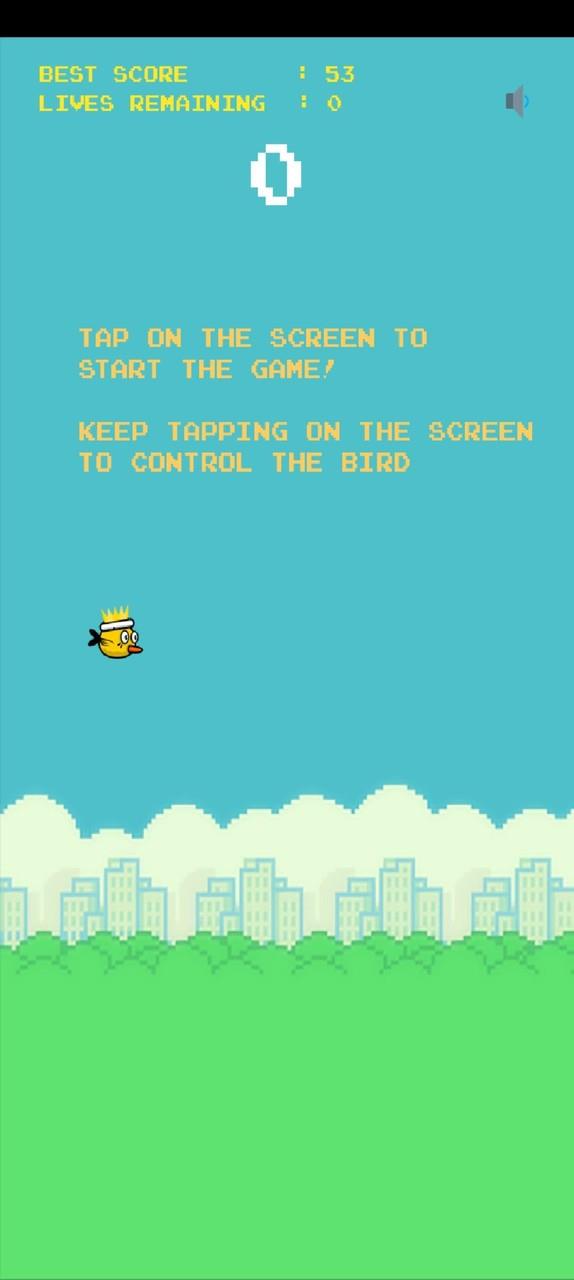
The control model in Birdy bird is deliberately simple — a single tap or screen press makes the bird flap upward, and gravity pulls it downward when you release. That single input creates a wide range of outcomes because each tap influences height, momentum and subtle trajectory changes. Precision is driven by rhythm and small adjustments rather than complex maneuvers; learning how long to hold a press and when to tap again becomes the central skill. Responsiveness on touch screens and low input latency are emphasized so the controls feel direct across many Android devices.
Progression and scoring
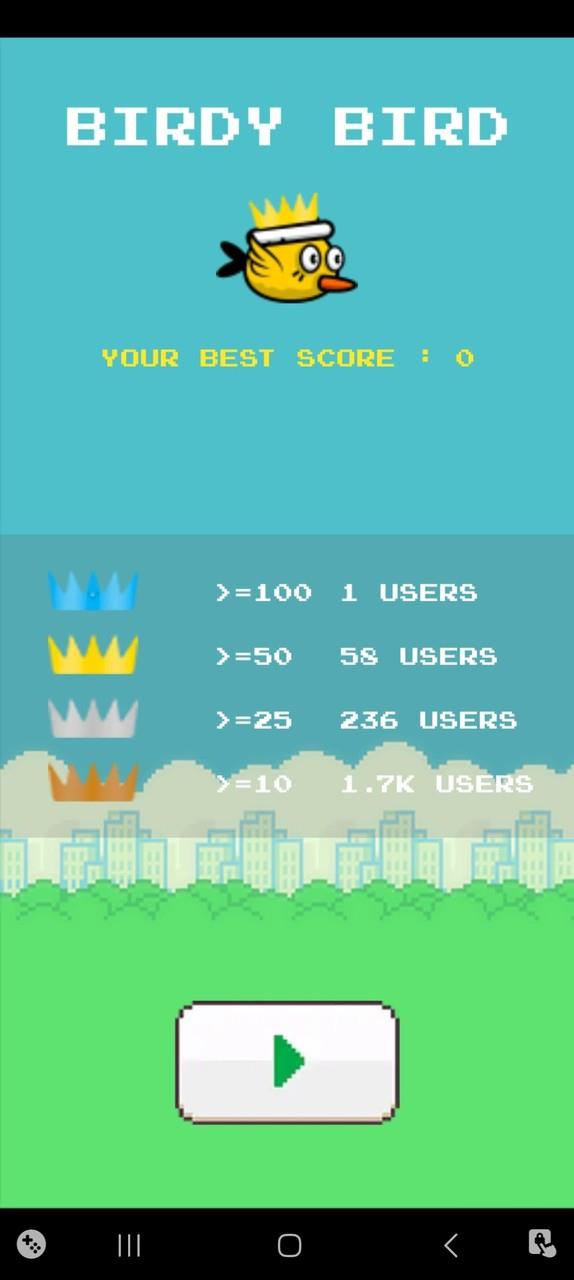
Progression is measured through runs and scores rather than level unlocks. Each time the bird passes between a pair of pipes you earn points toward your run total, and the game encourages steady improvement by recording local high scores. Milestones and simple targets help you track progress without introducing complicated systems, letting performance and personal bests remain the primary motivator. Because runs are short, it’s easy to play multiple attempts in a single session and focus on consistent score improvement.
Visual style and presentation
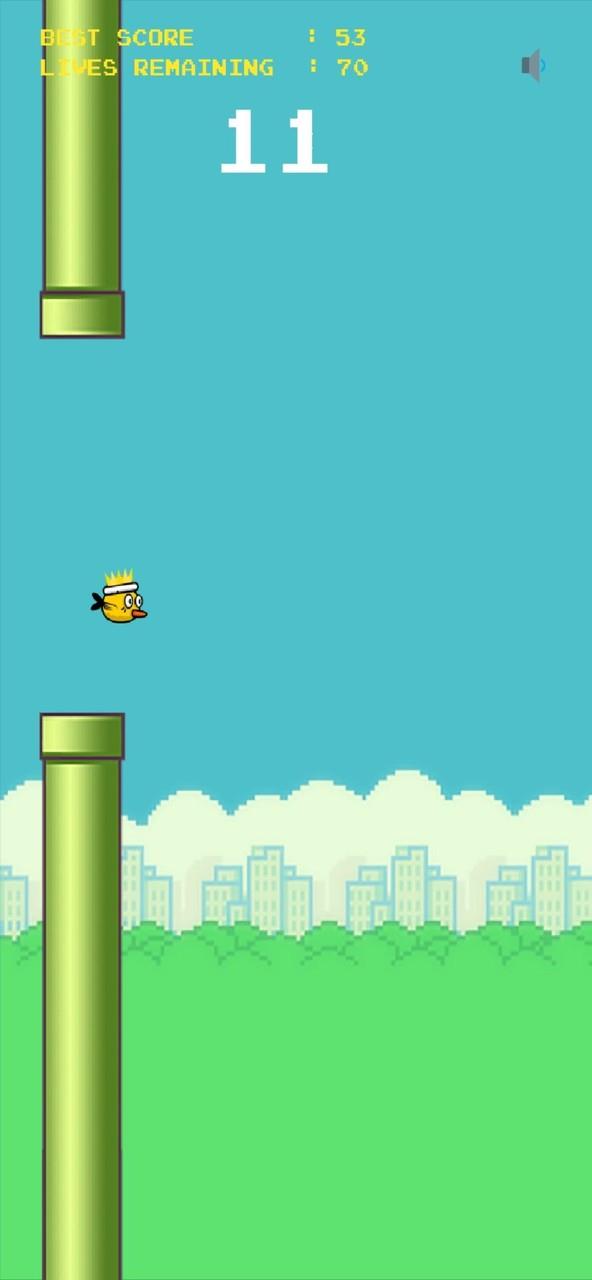
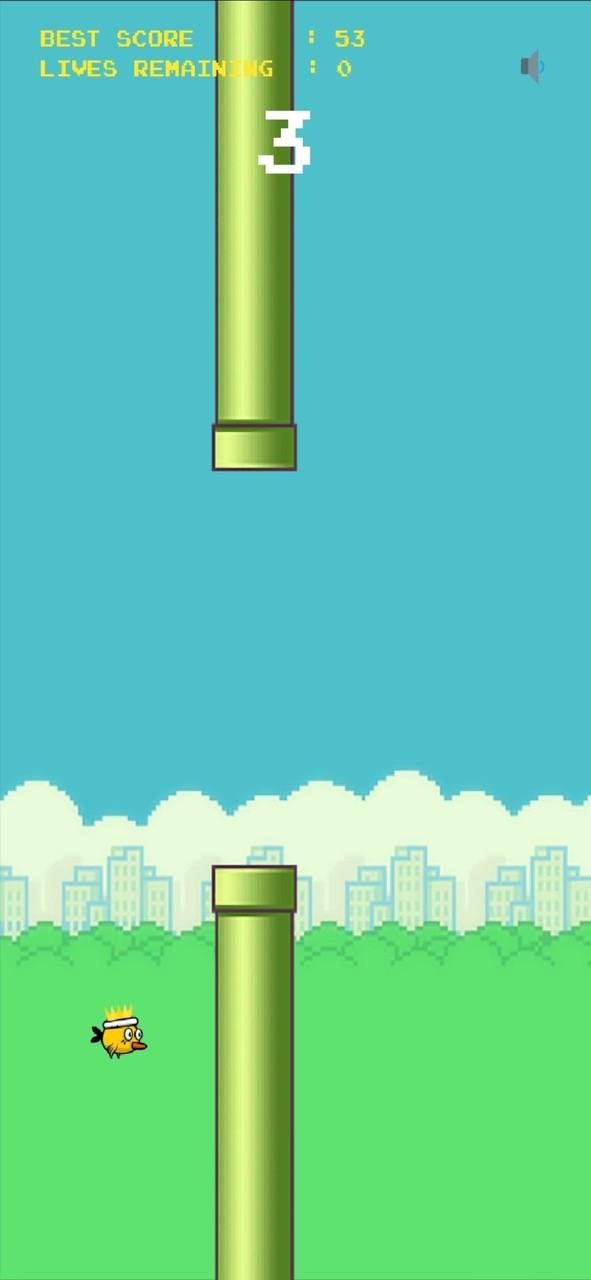
The visual approach uses restrained pixel-style graphics that place emphasis on clear silhouettes and readable obstacles. Backgrounds stay uncluttered so the bird and pipe gaps are immediately visible even on smaller screens; this clarity helps players judge distances accurately. The retro minimalism also reduces memory and battery demands, which is practical for devices with limited resources. Visual effects are subtle by design, keeping attention on gameplay rather than decorative detail.
Level structure and challenge pacing
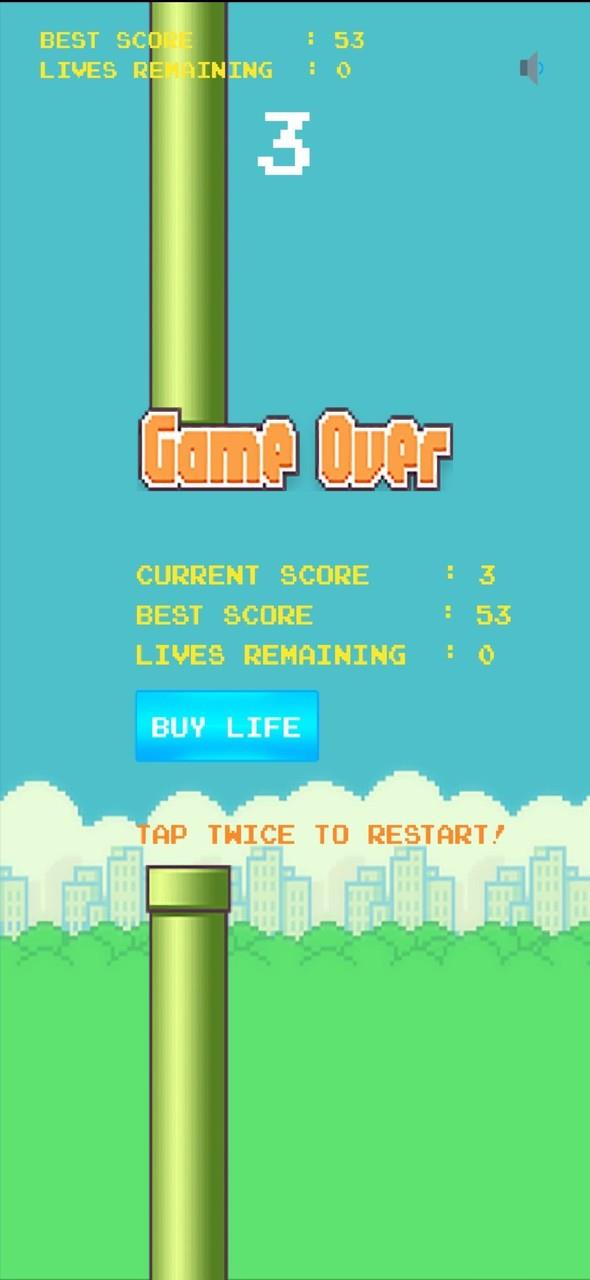
Instead of discrete stages, Birdy bird delivers an endless, procedural stream of pipe sequences with varying vertical offsets and gap spacing. That design keeps each run unpredictable while training the same core motor skills: timing, anticipation and small corrective inputs. Difficulty increases organically as you survive longer — gaps can become tighter and sequences may require quicker responses, which ramps the challenge without artificial difficulty spikes. The immediate-fail mechanic makes mistakes clear and informative, helping players learn what to change on the next attempt.
Customization and settings
To accommodate different play preferences, the game includes modest customization options that do not alter the core rules. Players can adjust sound and music levels, toggle visual clarity enhancements, and choose from touch sensitivity presets that change how aggressively each tap lifts the bird. These toggles let you tailor the feel of the controls and the presentation to match comfort and device responsiveness while keeping the core challenge intact.
Accessibility and user experience
Accessibility is a practical consideration: Birdy bird lowers the barrier to entry with a single-tap control scheme, and optional settings broaden playability. Larger tap zones reduce missed inputs for users who prefer bigger targets, while a quiet mode disables sound and vibration for shared or noisy environments. The interface is optimized for portrait play so most phones and tablets can be used comfortably with one hand, and consistent controls across orientations help players form reliable muscle memory.
Offline play and performance
The game is designed to run fully offline and to deliver smooth performance on low- and mid-range devices. Because it does not require network access, you can play anywhere without worrying about connectivity or data usage. The lightweight artwork and efficient code help conserve battery life during short play sessions, making it convenient for commutes, waiting rooms or brief breaks.
Replayability and challenge systems
Replay value comes from trying to beat personal bests and adapting to changing pipe sequences. Short, repeatable runs create a satisfying loop of attempt, feedback and incremental improvement. As you extend a run, the procedural variation introduces new gap patterns and timing demands that test concentration and precision, encouraging players to refine technique over many brief sessions. Leaderless, personal progression keeps the emphasis on skill development rather than external rankings, which suits players looking for focused, solo arcade practice.
If you prefer concise, skill-based experiences with minimal controls and clear feedback, Birdy bird offers a portable arcade challenge that is easy to pick up, hard to master, and respectful of device resources and accessibility needs.
- No virus
- No advertising
- User protection
Information
- File size: 13.60 M
- Language: English
- Latest Version: 4.0.1
- Requirements: Android
- Votes: 478
- Package ID: com.rectfy.birdybird
- Developer: Rectfy
Screenshots
















Explore More
In today's world, almost everyone owns a smartphone, making gaming incredibly convenient. Certain mobile games are crafted with numerous progressively challenging levels, which appeal to many players. Here, we've curated a selection of the latest mobile games featuring challenging levels, perfect for enjoying with friends.

Life Together

Winner of Kings

Nitro Car Driving Master

Who Is Killer & Thief Riddles

Word Search Blocks: Puzzle

Classic Pool 3D

FMU

Juicy Candy Quest