Introduction
Andron is a serious game designed for HR professionals; Andron lets facilitators observe and analyze attendee behavior through structured gameplay, and Andron places players in role-play scenarios that mirror workplace interactions. The app supports facilitator-led assessment sessions that focus on communication, decision-making and teamwork while using predefined evaluation criteria to produce consistent, observable results. Built for screening, training and comparative assessment, Andron aims to make behavioral observation more structured than ad hoc interviews or questionnaires without replacing professional judgment.
Key Features
Andron organizes assessment sessions around clearly defined scenarios and measurable criteria so HR teams can compare participants against the same set of behaviors. Facilitators can select scenario templates, set timing and scoring rules, and guide groups through role assignments and debriefs. The app records choices and in-game events tied to evaluation rubrics, helping observers translate moments of play into concrete feedback and simple summaries for internal use.
Gameplay Mechanics
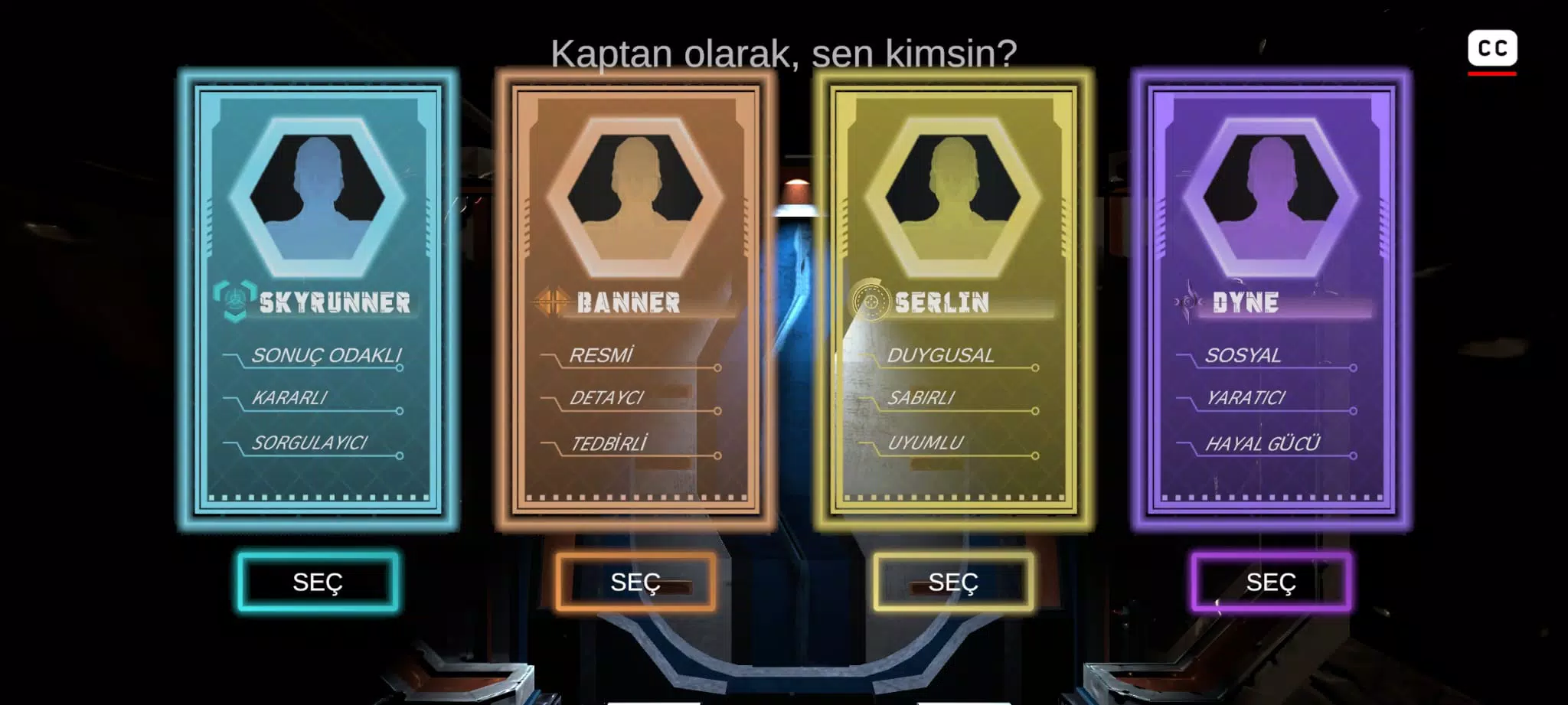
Gameplay in Andron is centered on short, focused role-play rounds that simulate common workplace situations such as team meetings, conflict resolution, project planning and client communication. Participants choose actions from context-sensitive options, respond to situational prompts and make time-limited decisions that affect branching outcomes. Scenarios emphasize observable behaviors — for example, turn-taking, information sharing and problem-solving — so facilitators can mark occurrences against predefined indicators rather than interpret vague impressions.
Controls and Interaction
Controls are intuitive and optimized for tablet and phone screens: facilitators and players tap to choose dialogue or action options, swipe to navigate scenario steps and use simple on-screen forms to record notes. A facilitator panel provides quick access to timers, participant lists and criteria checkboxes so observers can focus on behavior rather than device management. The interface minimizes interruptions during live sessions and supports quick editing of observations during debriefs.
Progression and Scenario Structure
Andron groups content into modular scenario sets that progress from guided practice rounds to more complex, branching situations. Each scenario includes a brief context, clear objectives, expected behaviors to observe and a debrief script. As facilitators move through modules they can increase complexity by adding constraints such as limited information, competing priorities or role switches to test adaptability. Progression is facilitator-driven, allowing teams to pace assessments according to their objectives and participant experience.
Visual Style and Level Design
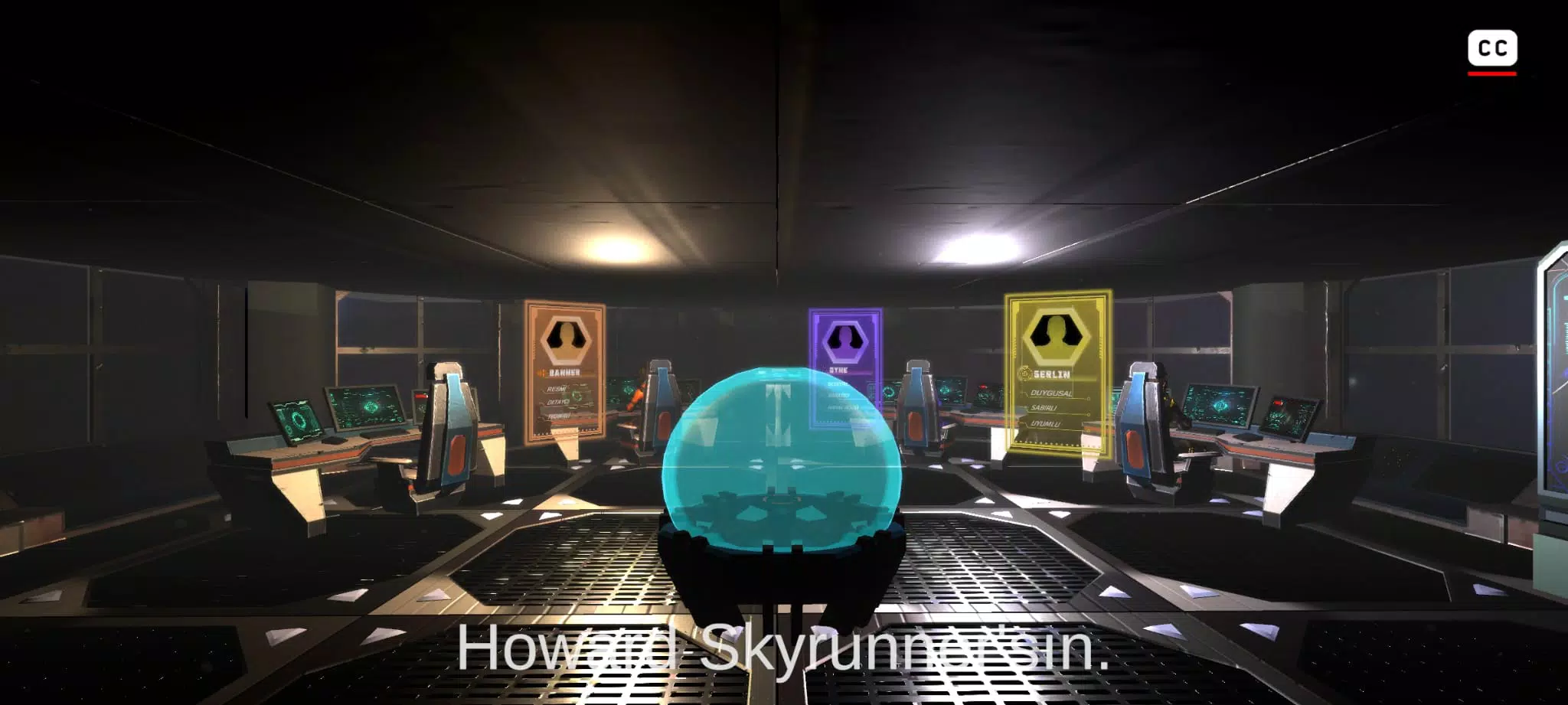
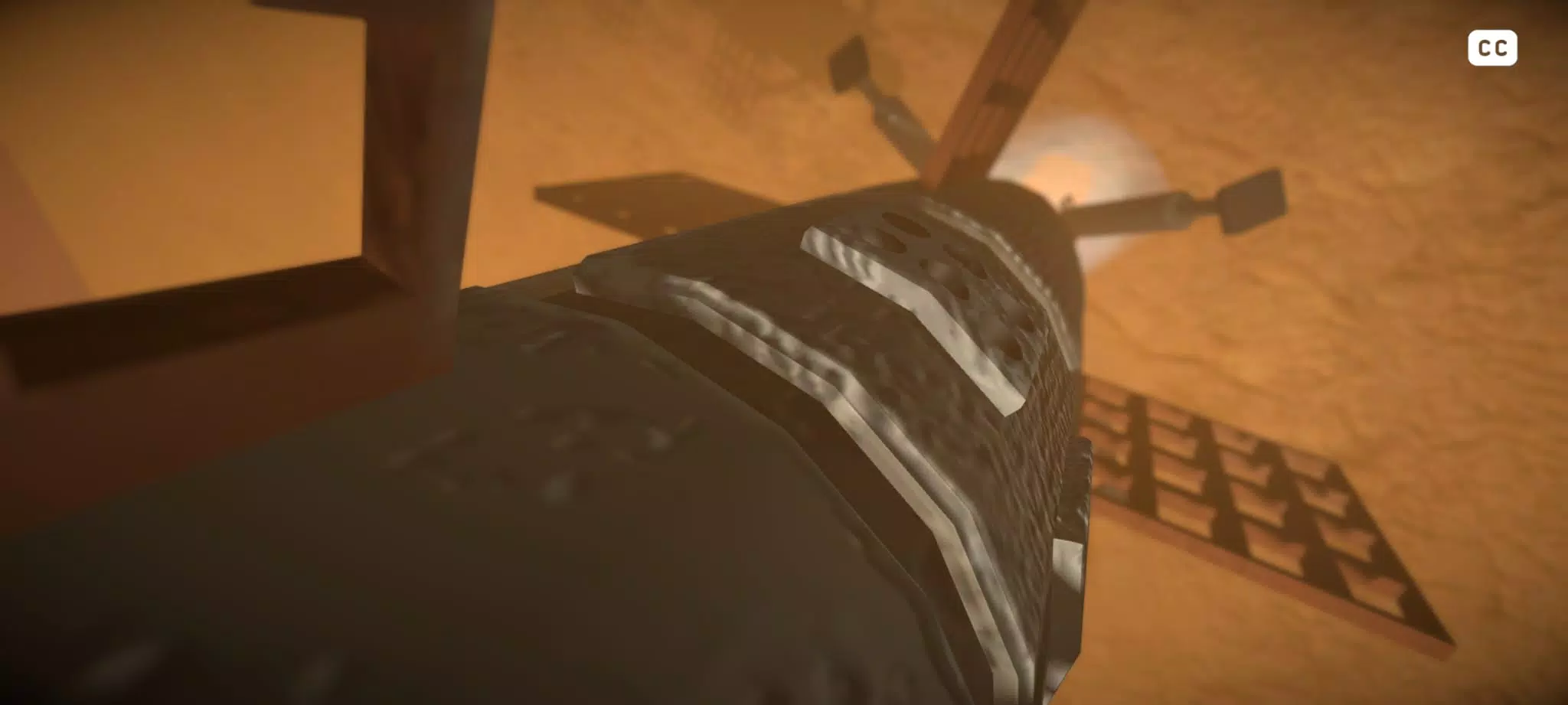
The visual design favors a clean, professional aesthetic with neutral office illustrations and clear typography to keep attention on interaction and behavior rather than flashy graphics. Scenes are intentionally minimal to reduce bias from avatars or costume cues; background details set context but remain unobtrusive. Level structure focuses on short scenes and repeatable rounds so observers can run multiple iterations in a single session and compare outcomes across different role assignments.
Customization and Practical Controls
Facilitators can tailor Andron to their process by adjusting evaluation criteria, editing scenario text, setting timers and assigning roles. Session templates can be saved for repeated use, and facilitators can enter participant identifiers or anonymize data during observation. Customizable debrief prompts help guide post-scenario reflection and keep feedback aligned with the behaviors the organization values.
Replay Value and Challenge Systems
Replay value comes from variable scenario parameters and branching decision paths: small changes in information, role configuration or time pressure lead to different interaction dynamics. Andron includes adjustable challenge levels so facilitators can scale difficulty and observe how candidates perform under increasing complexity. Re-running scenarios with rotated roles or modified constraints reveals consistency and adaptability in participant behavior.
Accessibility, Offline Use and User Experience
Andron emphasizes clarity and accessibility with adjustable font sizes, high-contrast mode and concise on-screen instructions to accommodate diverse users. The app is designed for offline use during in-person assessments; session records and observation notes are stored locally on the device and can be exported to common formats for internal review. The user experience is intentionally low-friction so facilitators can focus on watching interactions, running debriefs and capturing actionable notes without technical distraction.
Reporting, Interpretation and Limitations
Andron generates concise session summaries that map observed behaviors to the chosen evaluation criteria to streamline internal reporting and compare candidates on common metrics. These summaries are meant to complement, not replace, professional evaluation: effective use requires trained facilitators who can interpret context and triangulate game-based observations with interviews and other assessment sources. Andron is optimized for assessment and training contexts and is not intended as casual entertainment or a definitive predictor of long-term job performance.
- No virus
- No advertising
- User protection
Information
- File size: 100.80 M
- Language: English
- Latest Version: 1.1.0
- Requirements: Android
- Votes: 170
- Package ID: com.Fugi.Andron
- Developer: Fugi Games
Screenshots
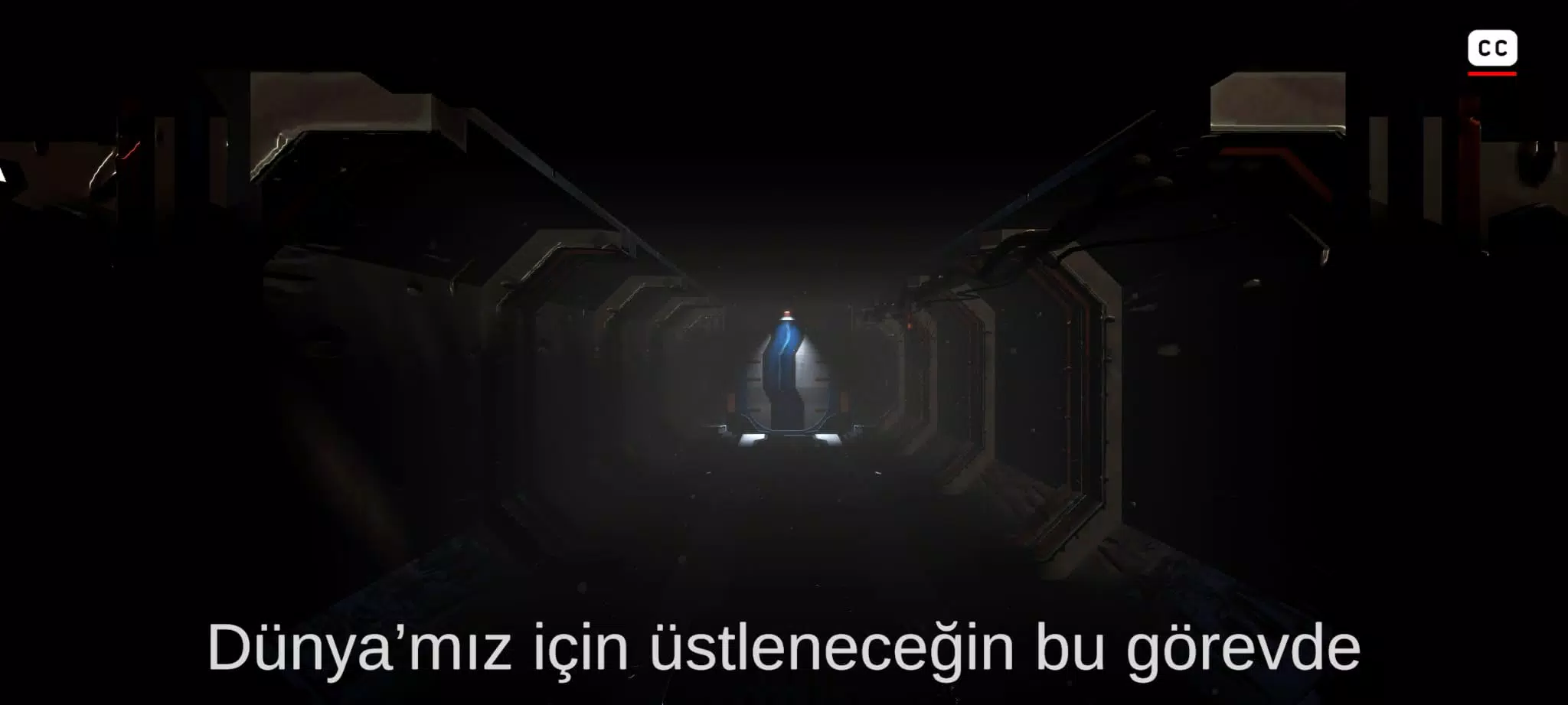

-
1
Neonverse: Invaders Shoot'EmUp Mod
Download -
2

Slingshot Bulldozer Mod
Download -
3
Galaxy Shooter - Space Attack Mod
Download -
4
You Sunk - Submarine Attack Mod
Download -
5
War Machines:Tanks Battle Game Mod
Download -
6
Country Balls: Armageddon Mod
Download -
7

Flying Flogger Mod
Download -
8
STRIKERS 1945-2 Mod
Download



Explore More
Small games that help pass the time have evolved into a plethora of cool and refreshing experiences that allow us to briefly immerse ourselves without getting addicted, providing us with plenty of enjoyment even if we can only play them for a short while sometimes.

プロ野球 ファンスターズリーグ

Airport Security Cop

Eternal Tower Saga

Survival Cover Hunt Shooting

Rolling Ball 3D : Ball Race

Magical Ink
Crown Of The Devil - Public
Tactical OPS-FPS Shooting Game