Introduction
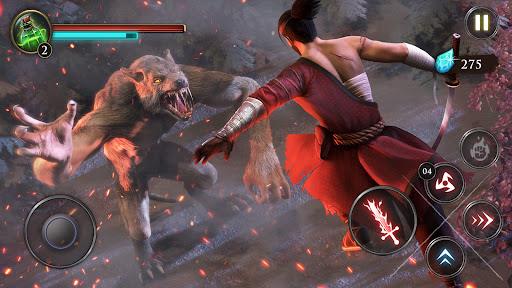
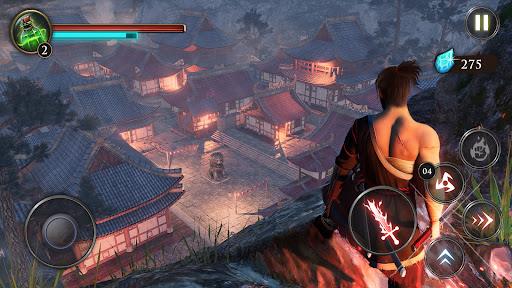
Takashi places you in Kurome, a fractured realm ruled by a ruthless emperor where you survive as a shadow warrior through timing, patience and precise swordwork. In Takashi you move through villages, temples, forests and ruined corridors in a compact offline 3D world that rewards observation as much as reflexes. The first moments set the tone: enemies telegraph attacks, exploration reveals side paths and hidden rooms, and progression comes from learning enemy patterns rather than relying on flashy abilities.
Key Features
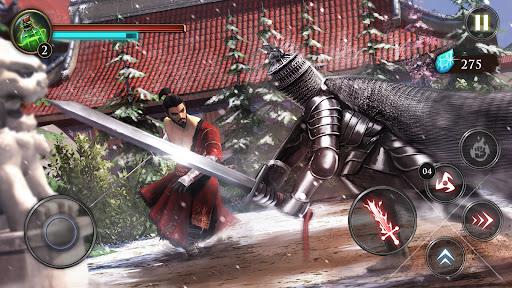
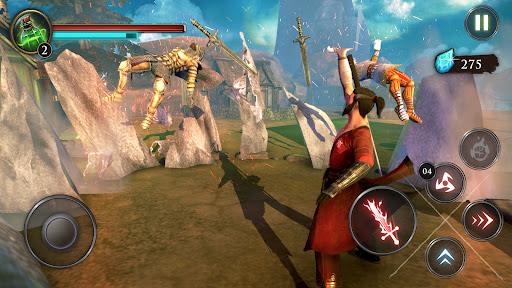
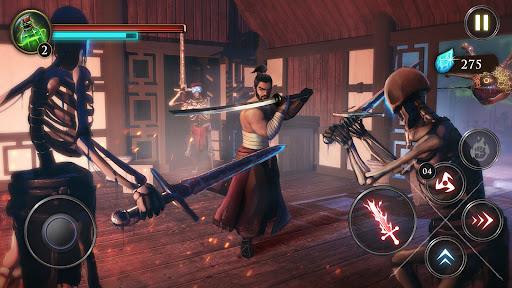
The game presents a focused set of systems that work together to create tense, deliberate encounters and satisfying exploration. Melee combat emphasizes reading animation windows for attacks, dodges and counters; encounters feel deliberate because enemy telegraphs are readable and punish impatience. A stealth layer lets you thin groups, set up ambushes and choose whether to engage or bypass a fight. The offline 3D world contains interconnected nodes—village hubs, temple courtyards, forest approaches and narrow dungeon corridors—where side paths, shortcuts and hidden rooms provide tangible rewards for exploration. Progression includes a variety of new weapons to collect, armor upgrades that change durability and resistance, and unlockable abilities that shift how you approach combat. Survivor’s Gauntlet functions as an in-game scoreboard for score chasing and self-competition, with scoring mechanics tied to risk, speed and efficiency rather than paid or online ranking systems.
Controls and combat mechanics are intentionally concise to suit short mobile sessions while allowing depth for longer play. Attacks, parries and evasions are driven by responsive touch input tuned around timing windows: learn to read an opponent’s body language, puncture an opening and follow with a decisive strike. Dodges create spacing; parries and counters open brief opportunity windows against heavier foes. The control scheme was designed so that inputs are meaningful rather than spammy, encouraging players to time actions and to practice animation reads. For players who prefer deliberate pacing, stealth tools reduce the number of simultaneous opponents and let you set up favorable engagements.
Progression is driven by equipment and choices rather than levels alone. Weapons feel distinct through reach, speed and hit reactions, so swapping gear can change encounter pacing. Armor upgrades improve survivability in measurable ways and occasionally alter how an enemy engages with you, encouraging experimentation. Ability choices are presented as meaningful trade-offs: some options favor aggressive score-chasing play, others reward cautious exploration and survivability. The Survivor’s Gauntlet rewards mastery by tracking run performance and offering players a clear way to chase higher scores through skillful play.
Level design balances guided objectives with opportunities for discovery. Paths are often short and interconnected, with visual cues and object indicators pointing toward interactables and secret doors while still leaving room for players to miss a hidden route on first pass. This structure supports both compact play sessions—run a few rooms to practice a boss phase—and longer expeditions in which you clear multiple zones, upgrade gear and return to earlier areas to access new shortcuts. Lighting, camera framing and animation clarity are used to communicate enemy intent and environmental hazards so players can learn from each encounter.
Customization is focused on performance and aesthetic clarity rather than extensive cosmetic systems. Equipment choices visibly affect silhouette and movement, making it easier to judge reach and timing in combat. Replay value comes from the variety of approaches available: pure stealth runs, methodical parry-focused playstyles, or high-risk, high-reward score runs in the Survivor’s Gauntlet. Because defensive and offensive options are balanced around reading and reacting rather than button combinations, players who invest time will discover deep, repeatable challenges.
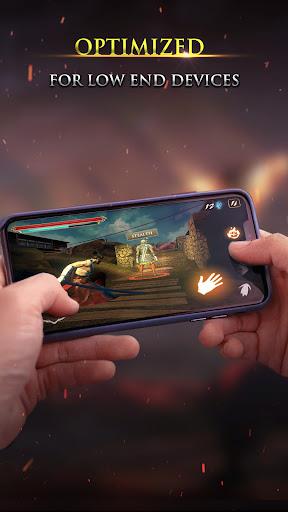
Player experience prioritizes offline accessibility and consistent playability on capable devices. The title is fully playable without an internet connection, so practice, exploration and score runs are available anywhere. Be aware the game benefits from reasonable device performance; closing background apps improves frame stability and responsiveness during tense encounters. The design acknowledges a steep learning curve: enemies and bosses telegraph attacks, but mastering timing and counters takes practice. Visual indicators, clear animation windows and the ability to revisit zones help new players learn at their own pace.
Version Information
The latest update improves the object indicator system to make interactables and hidden routes easier to spot while preserving the reward of discovery, and the Survivor’s Gauntlet received scoring adjustments and usability tweaks so tracking run performance feels more consistent. Takashi now presents a slightly smoother learning ramp without removing the deliberate challenge at the heart of its combat, and these changes are available immediately in the current build.
- No virus
- No advertising
- User protection
Information
- File size: 76.80 M
- Language: English
- Latest Version: 3.1.7
- Requirements: Android
- Votes: 464
- Package ID: com.hg.takashi.ninjagames
- Developer: Horizon Games Inc
Screenshots

-
1

Summoners War Mod
Download -
2

Winked: Episodes of Romance Mod
Download -
3

Midnight Stories: Choice Games Mod
Download -
4

Werewolf Romance Otome Game Mod
Download -
5

Love Sparks: Dating Sim Mod
Download -
6
Re:END Mod
Download -
7

BUD: Create and Play AI Games Mod
Download -
8

Romance Club - Stories I Play Mod
Download






Explore More
Discover Exciting Action Games for Gamers: Unleash the Fun with Action-packed Adventures like Invincible Action, Co-op Thrills, DNF, Street Fighter, Combat, and Boxing Classics. Enjoy a Variety of Popular Action Mini-games to Play Online for Free, along with Collections of Hot Action Mini-games and Downloads. Invite your friends for a thrilling gaming experience!

Life Together

Nitro Car Driving Master
The Mansion Mouse

Lord of Seas

Tennis Smash

FMU

Juicy Candy Quest

Race Cars