Introduction
Pantheland is a cooperative action-puzzle game that blends multiplayer teamwork with deep weapon-based customization, and Pantheland places strategic thinking and social problem solving at the center of its design. From the first puzzle-focused stage you encounter, the game emphasizes environmental interactions and mental challenges rather than repetitive button-mashing. Players swap weapons to change roles on the fly, use modular upgrades to alter how attacks behave, and invest in independent talent trees to specialize each weapon for distinct playstyles.
Core gameplay and mechanics
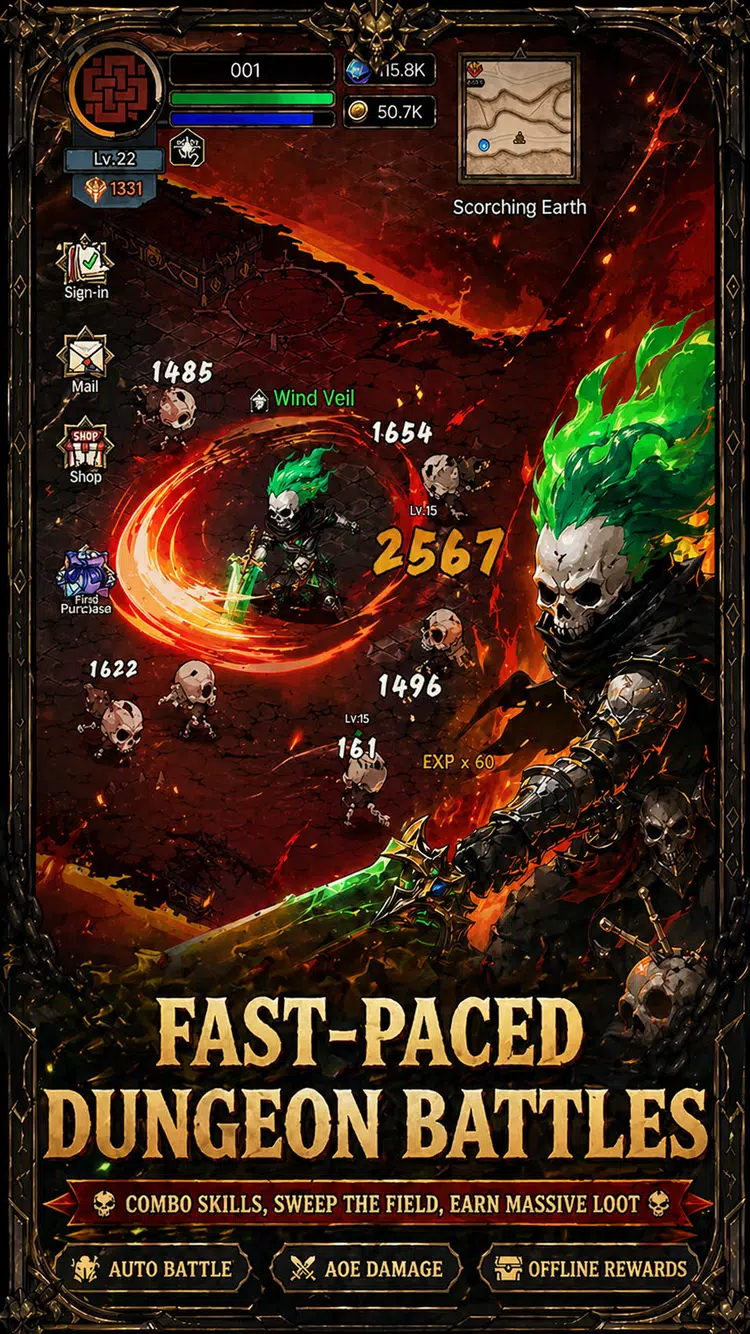
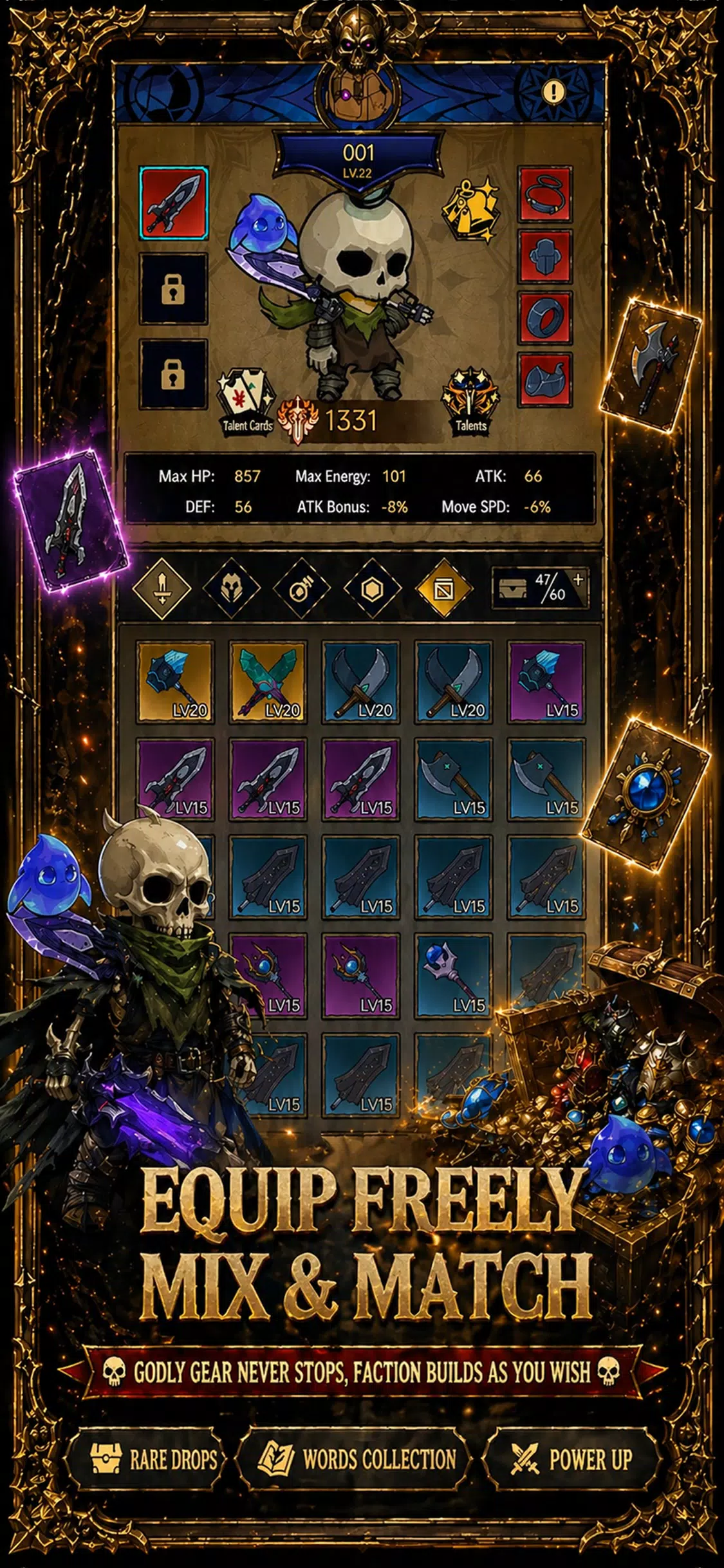
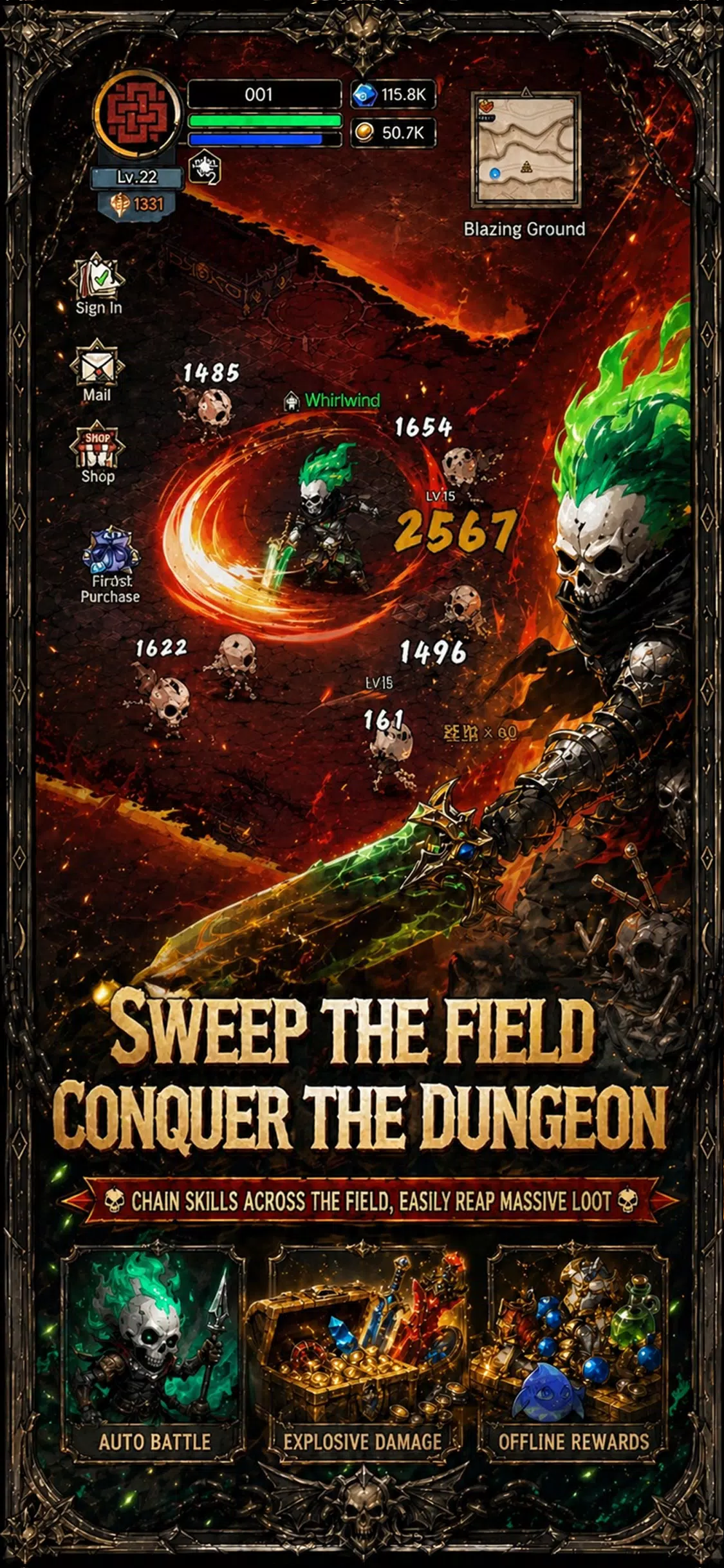
The core loop in Pantheland revolves around collaboration and flexible combat. Levels are designed as interconnected puzzles where players must coordinate movement, timing, and unique weapon abilities to progress. Combat remains tactical: weapons provide both offensive and utility functions so a single engagement can require switching from crowd control to puzzle manipulation. The modular upgrade system modifies attack effects, projectile forms, and numerical stats, enabling visible and mechanical changes to how a weapon performs in both puzzles and fights. Encounters reward planning, communication, and the willingness to experiment with different module and talent combinations.
Controls and accessibility
Pantheland offers mobile-friendly controls optimized for touchscreens, with a responsive virtual joystick and context-sensitive action buttons that adapt to the current weapon and environmental interactions. The interface is designed to keep important information on-screen without cluttering the play area: clear skill prompts, concise tooltips for modules, and an accessible talent menu help players make build decisions quickly between sessions. Accessibility options include adjustable difficulty scaling and input sensitivity, color-contrast considerations for visual cues, and readable text sizes so that players with a range of needs can comfortably navigate puzzles and menus.
Progression and customization
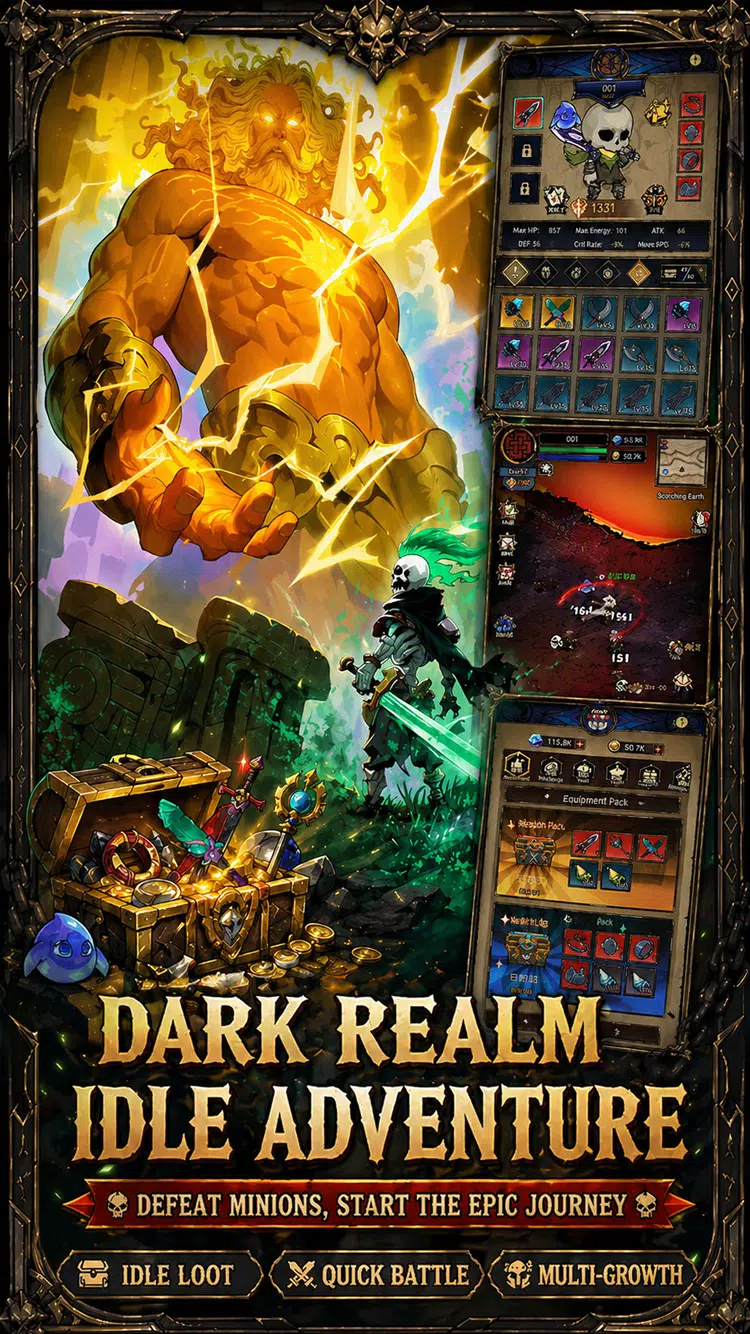
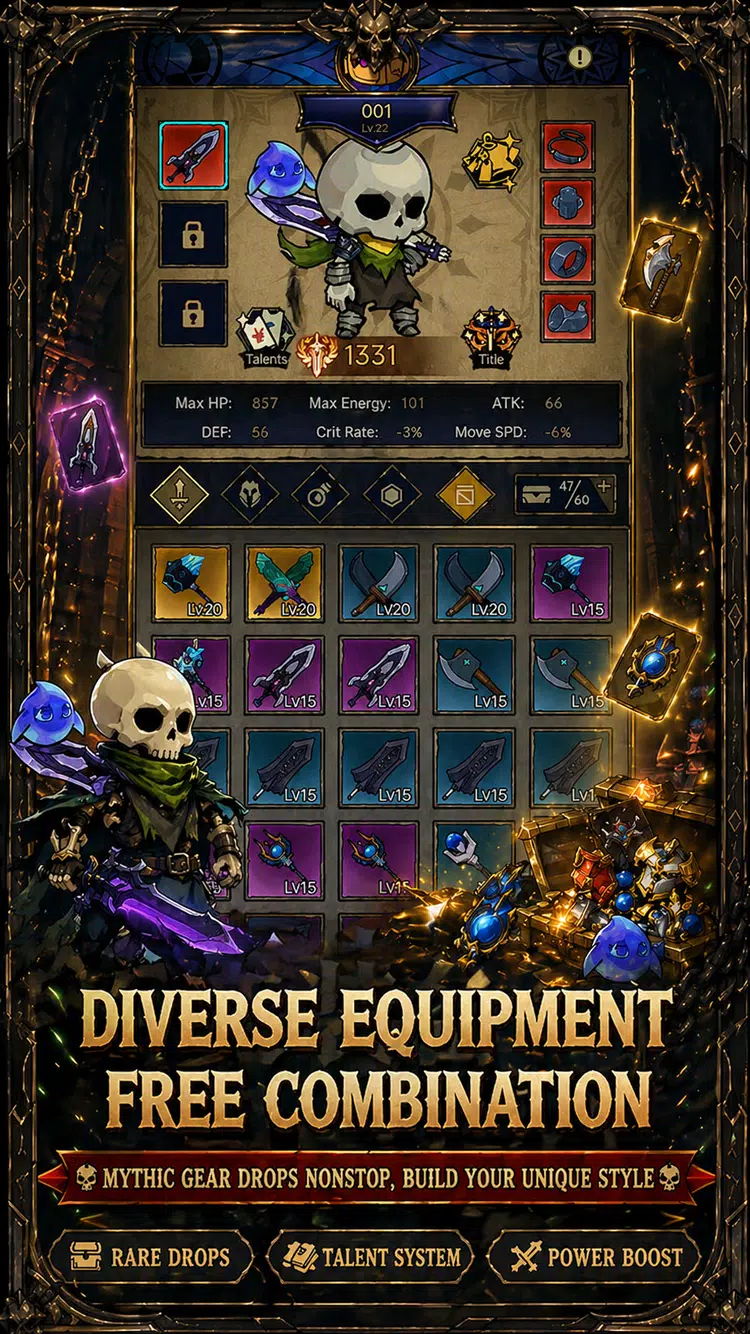
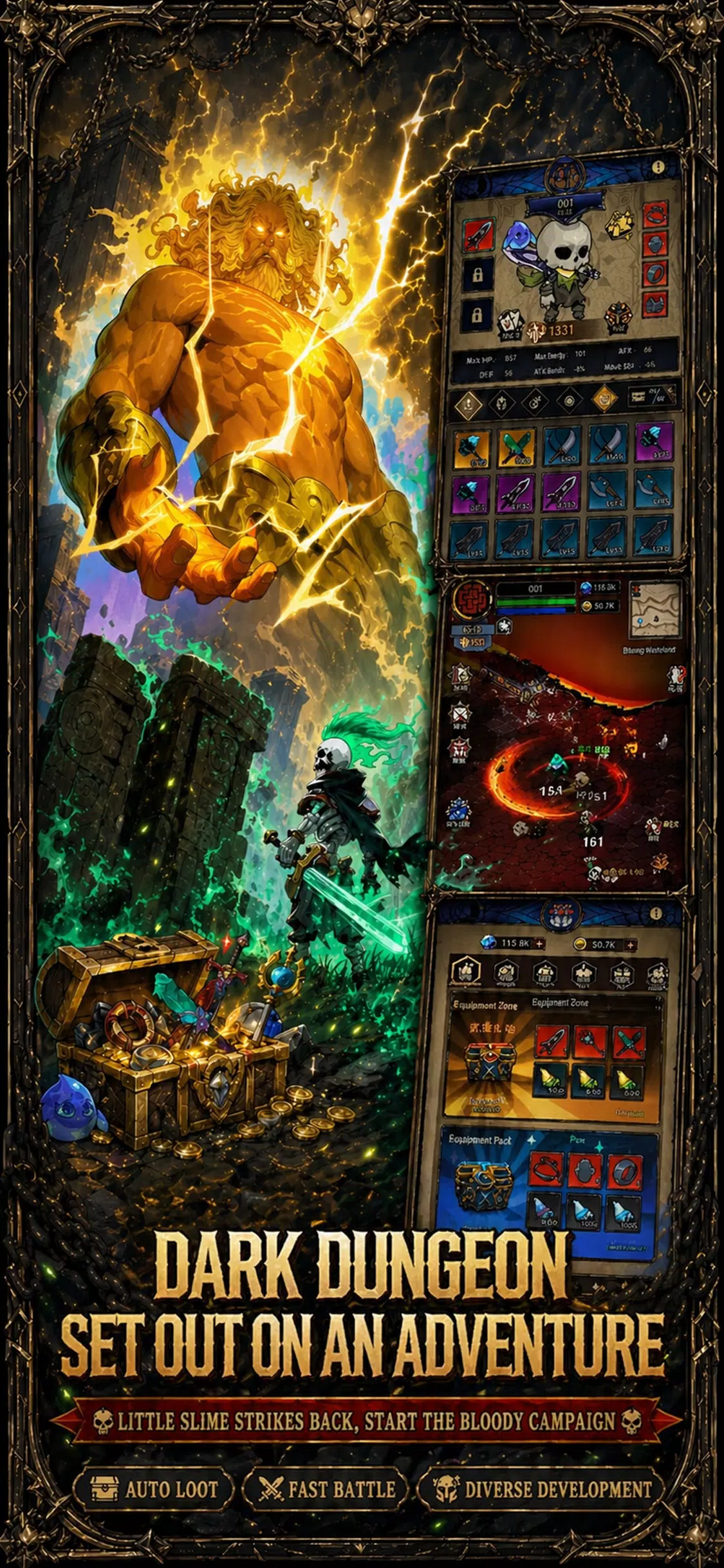
The progression system in Pantheland is centered on weapon-specific growth rather than rigid character classes. Each weapon has its own talent tree which unlocks new active skills, passive bonuses, and synergies with particular modules. Modules themselves are interchangeable parts that change attack forms or add conditional effects, so a single weapon can be reshaped for crowd control, single-target precision, or puzzle utility. This structure encourages long-term experimentation: players can steadily invest in a favored weapon while still trying alternative builds to solve specific level challenges or to create unique cooperative roles with friends.
Level design and challenge systems
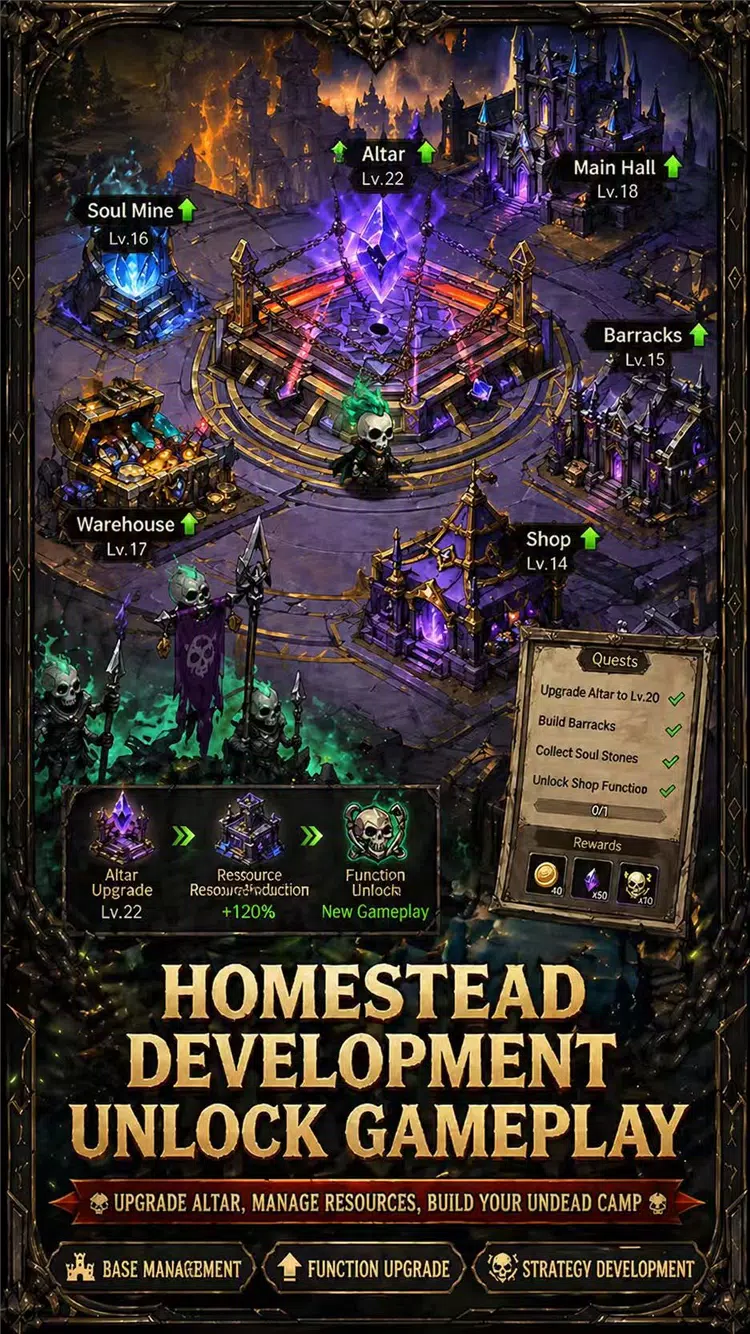
Levels in Pantheland are built around environmental puzzles that reward observation and teamwork. Rather than linear combat arenas, many stages present layered objectives such as timed mechanisms, physics-based puzzles, and coordinated switches that require more than raw power to complete. Challenge systems include optional secondary goals and modifiers that increase complexity, giving teams a way to test synergy or earn additional progression rewards. A clear difficulty curve helps new players learn module interactions while still providing hard puzzles and tactical encounters for seasoned groups.
Visual style and audio
Pantheland uses a stylized visual approach that balances readability and atmosphere so that gameplay-critical elements stand out during cooperative play. Character and weapon designs are made distinct so teammates can quickly recognize roles, while environmental art emphasizes interactive objects and puzzle affordances. Sound design supports gameplay with informative audio cues for skill activation, environmental changes, and cooperative triggers, helping players synchronize actions even when attention is split between multiple challenges.
Replay value and user experience
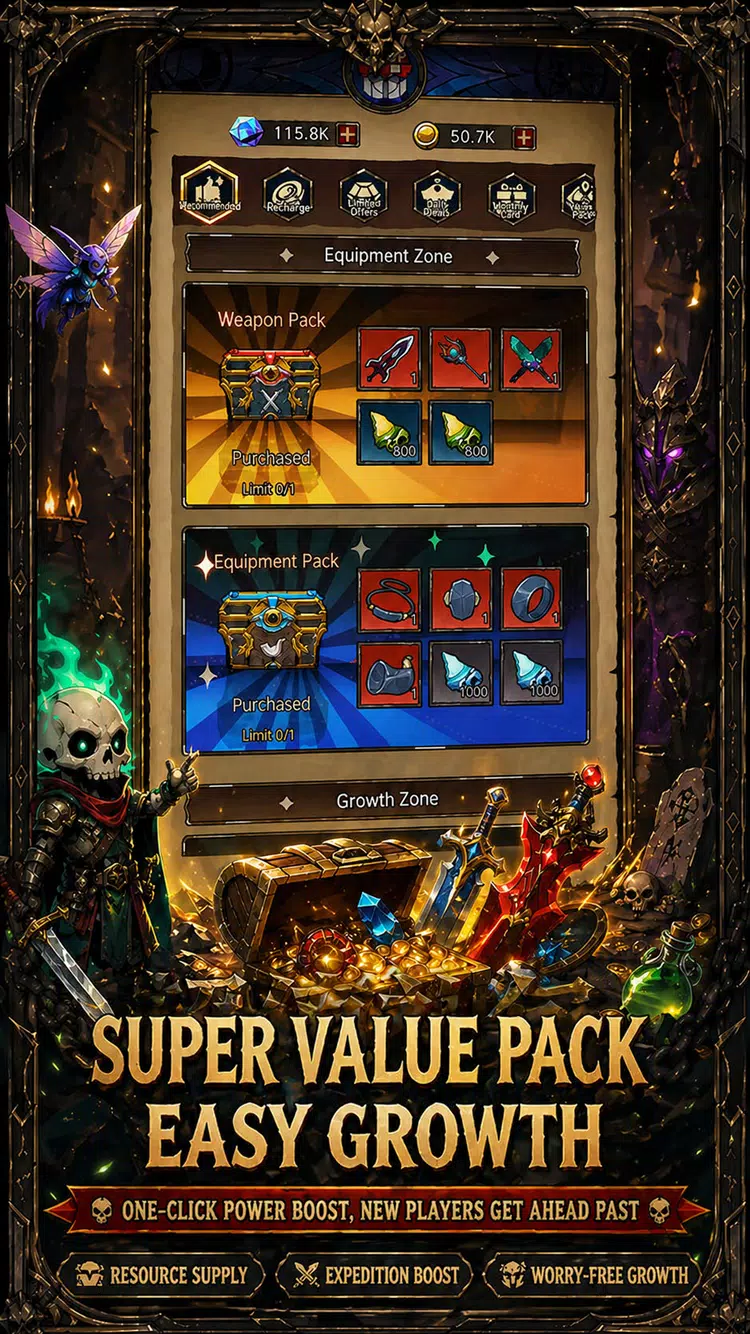
The combination of modular customization, independent talent trees, and puzzle-rich levels gives Pantheland strong replay value. Players return to earlier stages with new builds to find alternate solutions, optimize team compositions, or pursue tougher challenges. The game’s menus and progression screens are structured to make comparisons between modules straightforward so players can track the impact of changes without overwhelming complexity. For those who prefer solo practice, single-player sessions allow experimentation with builds and talent synergies before taking strategies into cooperative play.
Practical notes and expectations
Pantheland rewards curiosity and collaboration rather than pure grind. Newcomers should expect a learning period to understand how modules interact with talent bonuses, while experienced players will appreciate the depth of customization available. The game is suitable for short sessions focused on a single puzzle stage or for longer cooperative runs where teams work through a sequence of challenges. Overall, Pantheland delivers a thoughtful blend of social puzzle solving and customizable combat that favors creativity and teamwork over formulaic play.
- No virus
- No advertising
- User protection
Information
- File size: 55.80 M
- Language: English
- Latest Version: 1.0.15
- Requirements: Android
- Votes: 436
- Package ID: com.hongfu.godlike
- Developer: 深圳市鸿符科技有限公司
Screenshots
-
1

Summoners War Mod
Download -
2

Winked: Episodes of Romance Mod
Download -
3

Midnight Stories: Choice Games Mod
Download -
4
Werewolf Romance Otome Game Mod
Download -
5

Love Sparks: Dating Sim Mod
Download -
6
Re:END Mod
Download -
7

BUD: Create and Play AI Games Mod
Download -
8

Romance Club - Stories I Play Mod
Download




Explore More
Discover Exciting Action Games for Gamers: Unleash the Fun with Action-packed Adventures like Invincible Action, Co-op Thrills, DNF, Street Fighter, Combat, and Boxing Classics. Enjoy a Variety of Popular Action Mini-games to Play Online for Free, along with Collections of Hot Action Mini-games and Downloads. Invite your friends for a thrilling gaming experience!

Life Together

Nitro Car Driving Master
The Mansion Mouse

Lord of Seas

Tennis Smash

FMU

Juicy Candy Quest

Race Cars