Introduction
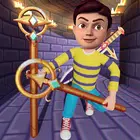
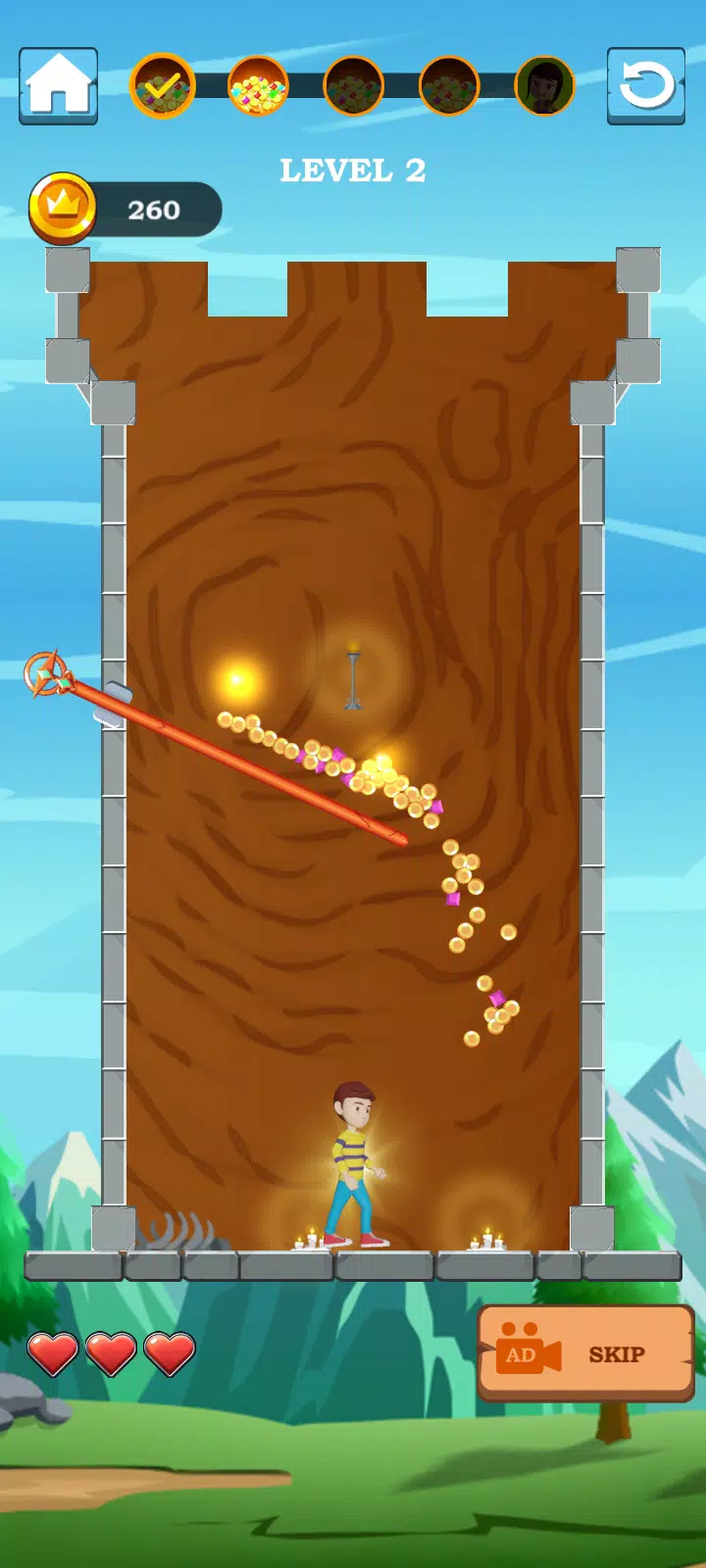
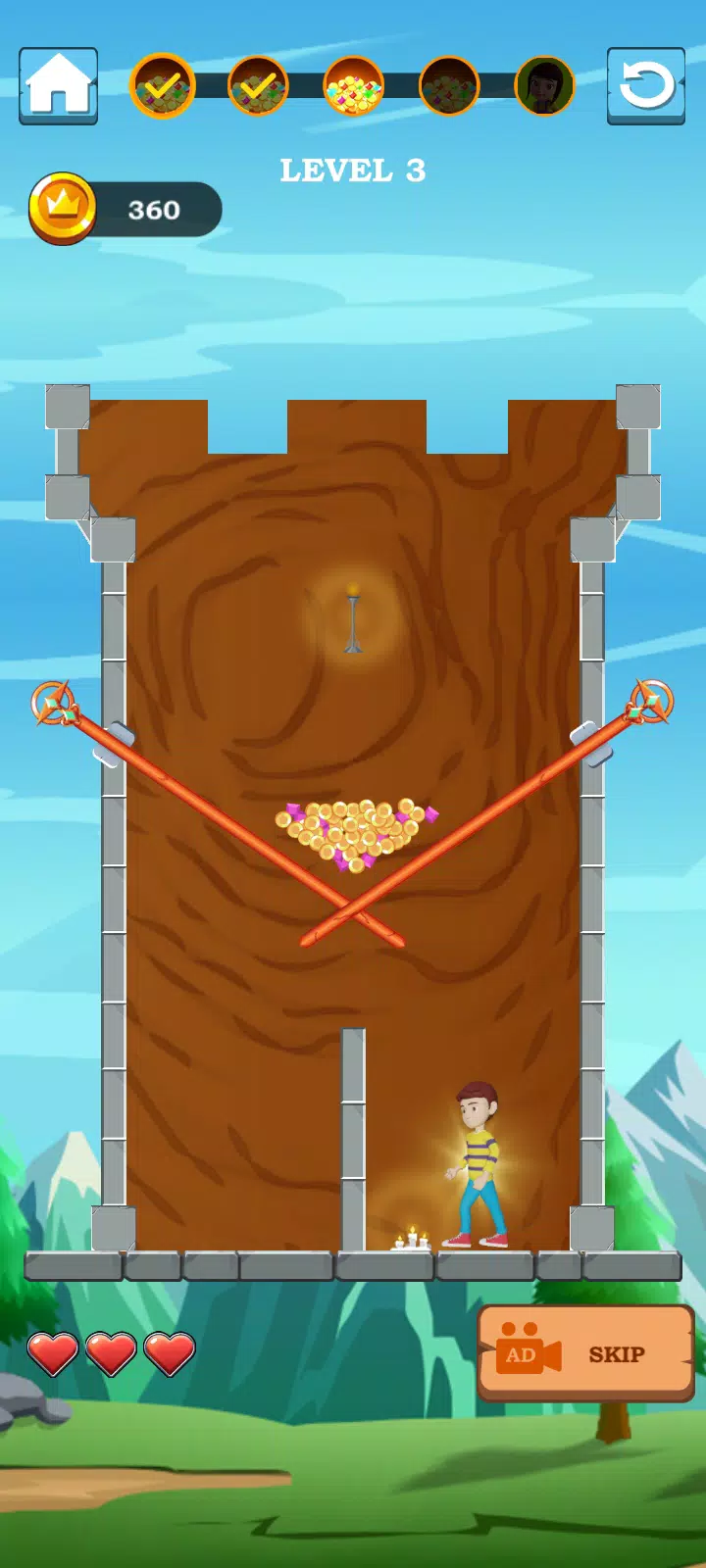
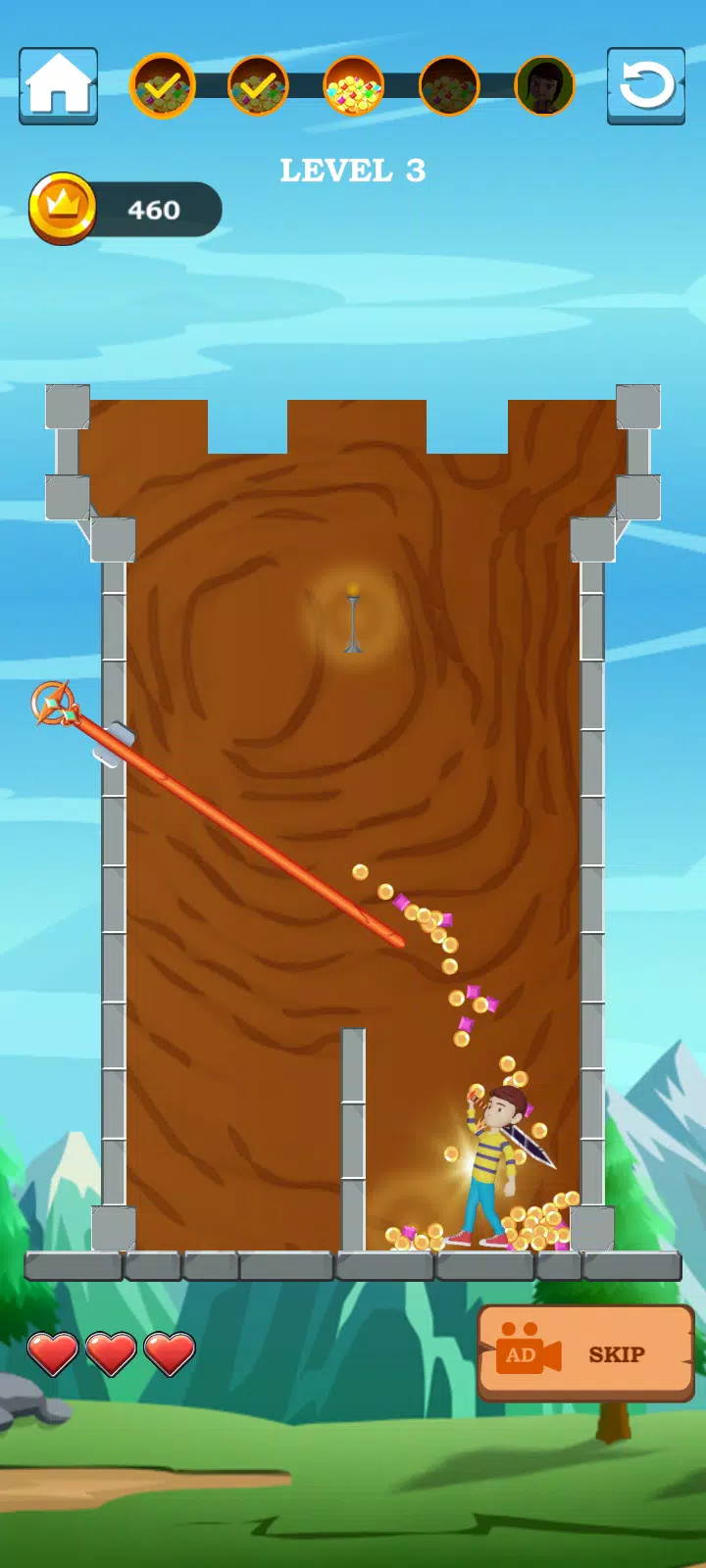
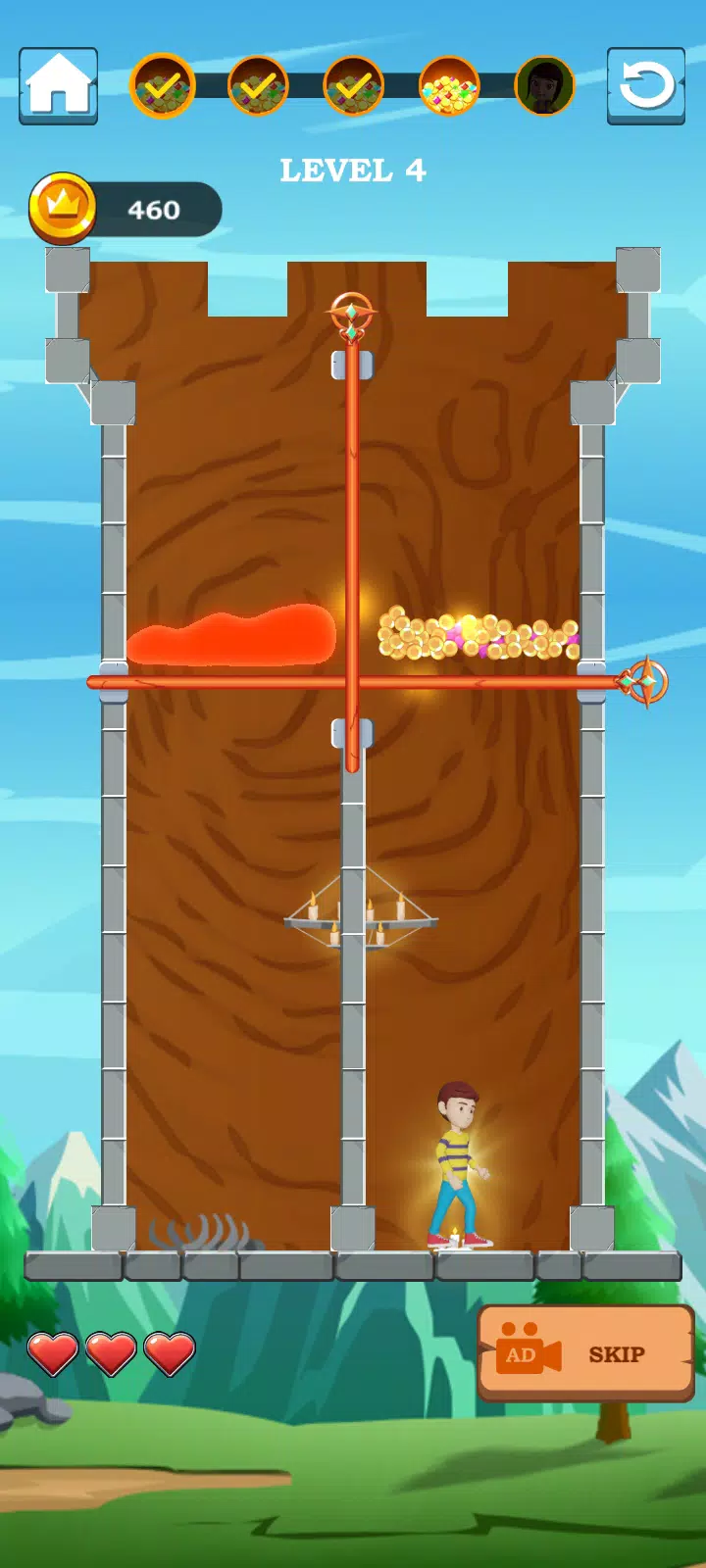
Rudra Pull Pin puzzle places a tactile pull-pin mechanic at the center of short, logic-driven levels: move Rudra through a compact stage, pull the correct pins in order and collect the coin while avoiding hazards and chain reactions. Rudra Pull Pin puzzle is designed for quick, satisfying plays that emphasize timing and small moments of insight rather than long play sessions, so players can jump in, solve a handful of puzzles and stop without losing progress. The core objective is simple and clear, which helps players focus on planning each move and learning from each attempt.
Key Features
The experience in Rudra Pull Pin puzzle is built around concise puzzles that introduce obstacles gradually and then combine them in interesting ways. Levels are short but varied, featuring different hazard types, movable elements and pattern-based traps that require thinking about the sequence of pulls and the timing of each action. Controls are minimal and intuitive, keeping the emphasis on logic rather than dexterity. The game is friendly to casual play and social sharing, because solutions are easy to describe, demonstrate or try alongside friends.
Gameplay & Controls
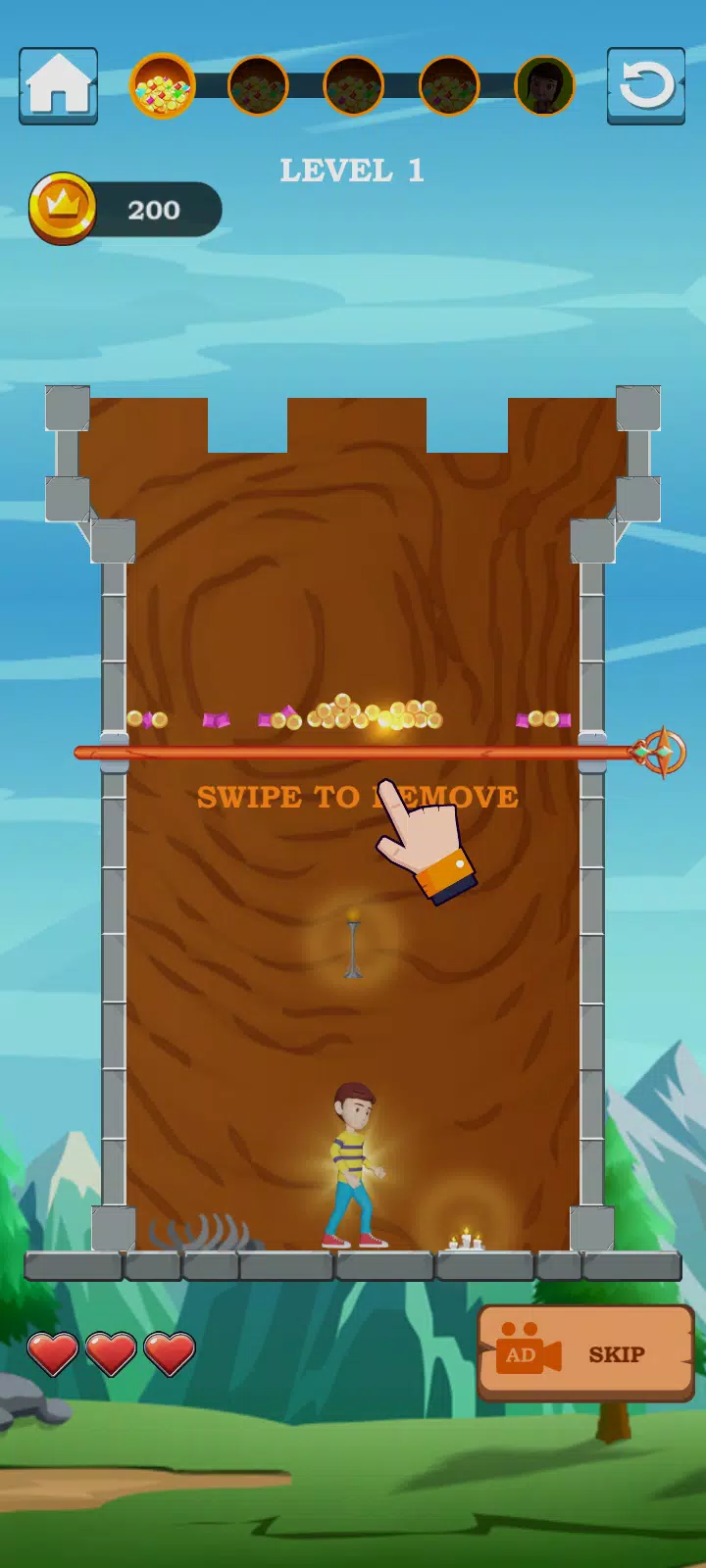
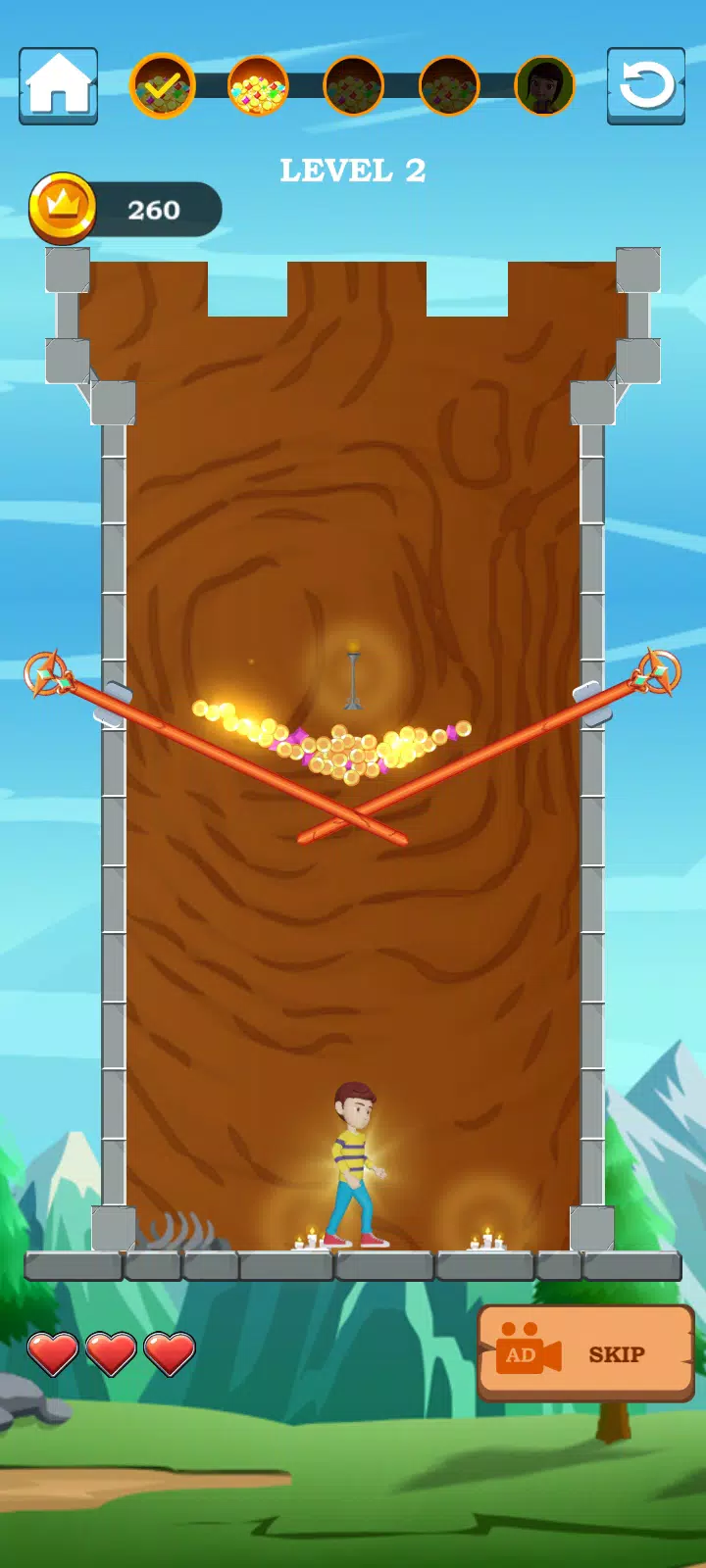
Gameplay is based on a single, repeatable interaction: pull a pin to change how objects and hazards interact in the level. Controls are deliberately simple so that players can concentrate on strategy — taps or light swipes remove pins and trigger predictable physics or flow behaviors. Because levels are short, players can quickly iterate on different approaches, learn which sequences cause safe outcomes and which trigger hazards, and refine their strategy in a few attempts. The tactile feel of pulling pins gives each solution a satisfying payoff when the coin is finally reachable.
Progression & Level Structure
Progression relies on carefully paced level design that introduces new elements one at a time before combining them into more complex puzzles. Early stages teach the rules of hazards and timing, while later levels ask players to plan multi-step sequences and to anticipate secondary effects. Although the game keeps sessions brief, the learning curve is steady: players will find new challenge mechanics sprinkled into later stages and recurring patterns that reward observation and experimentation. This structure makes progress feel meaningful without demanding long continuous play.
Visual Style & Accessibility
The visual style is clear and functional, using clean icons, readable contrasts and uncluttered layouts so players can quickly understand each level at a glance. Level elements are visually distinct so hazards, pins and the coin are immediately identifiable, which helps players of varying skill levels. The single-touch control scheme and straightforward feedback reduce barriers for new players, while color choices and large interactive areas improve accessibility on smaller screens. Sound and simple animations reinforce actions without distracting from planning the next move.
Replay Value & User Experience
Replay value comes from puzzles that often allow multiple valid solutions and from the satisfaction of optimizing a solve to use fewer moves or a faster sequence. Short attempts encourage experimentation: if a pull leads to an unexpected result, players can learn from the outcome and try a different order. The overall user experience is tuned for casual convenience — levels are bite-sized, loading is quick, and the interface remains unobtrusive so the puzzle itself stays in focus. Social appeal arises naturally because solutions are easy to share and discuss with friends.
Challenge Systems & Tips
Difficulty grows by varying obstacle combinations and forcing players to think several steps ahead rather than by adding complex controls. Many puzzles rely on timing, sequencing and anticipation of secondary reactions, so the key tip is to observe how elements interact before committing to a pull. Because each level is short, trial-and-error is part of the design: small mistakes are low-cost and provide useful feedback for the next attempt. This design keeps the challenge honest and encouraging rather than punitive.
Performance & Offline Play
The game is optimized for quick sessions and smooth performance on a wide range of devices, so puzzles load fast and controls feel responsive. Rudra Pull Pin puzzle is suitable for offline play, allowing users to enjoy levels without an active internet connection and to pick up exactly where they left off during brief breaks in their day. Overall, the emphasis is on a compact, accessible puzzle loop that rewards patience, planning and a little creativity.
- No virus
- No advertising
- User protection
Information
- File size: 55.70 M
- Language: English
- Latest Version: 1.0.3
- Requirements: Android
- Votes: 183
- Package ID: com.tangidreams.rudra.pullthepin
- Developer: Tangidreams Games Studio
Screenshots











Explore More
Small games that help pass the time have evolved into a plethora of cool and refreshing experiences that allow us to briefly immerse ourselves without getting addicted, providing us with plenty of enjoyment even if we can only play them for a short while sometimes.

Narrow Arrow

League Legends Challenge

Limousine Car Simulator 2026

M3 Real Car Simulator 2026

Kitty Cat Daycare

US Tractor Farming: Tractor 3D

DIY Phone Case Design Games 3D

All Mini Sports Games Offline