Introduction
Second Circle is a mature, narrative-driven indie game that puts players in the role of lost souls seeking one last chance at redemption; the Second Circle experience combines choice-led storytelling with cinematic full-motion sequences and experimental mechanics that alter how scenes play out. Built for players who appreciate branching narratives and unusual presentation, the game presents a compact, provocative experience that explores resource-driven progression and variable scene states without relying on traditional combat or level grids.
Key features
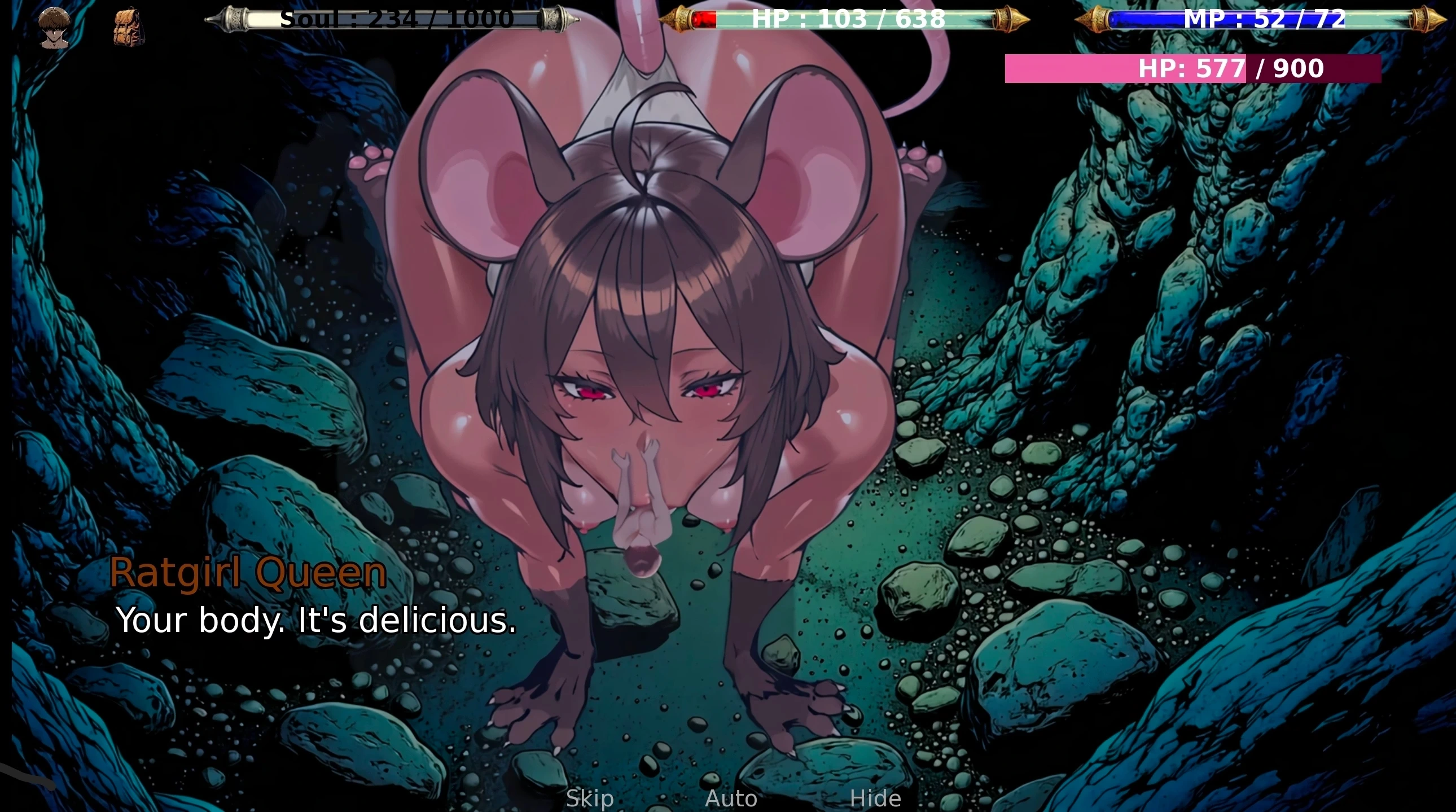
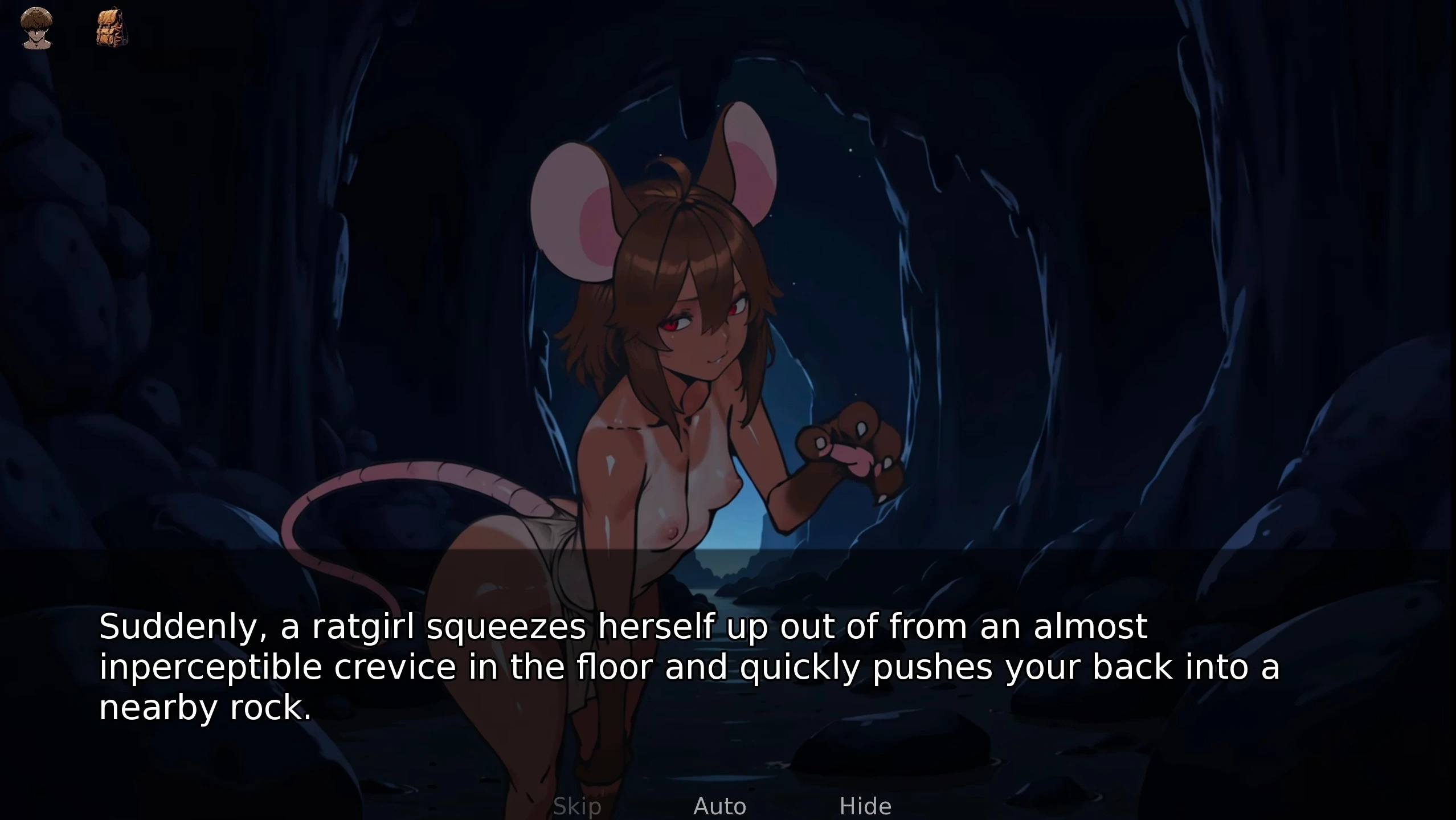
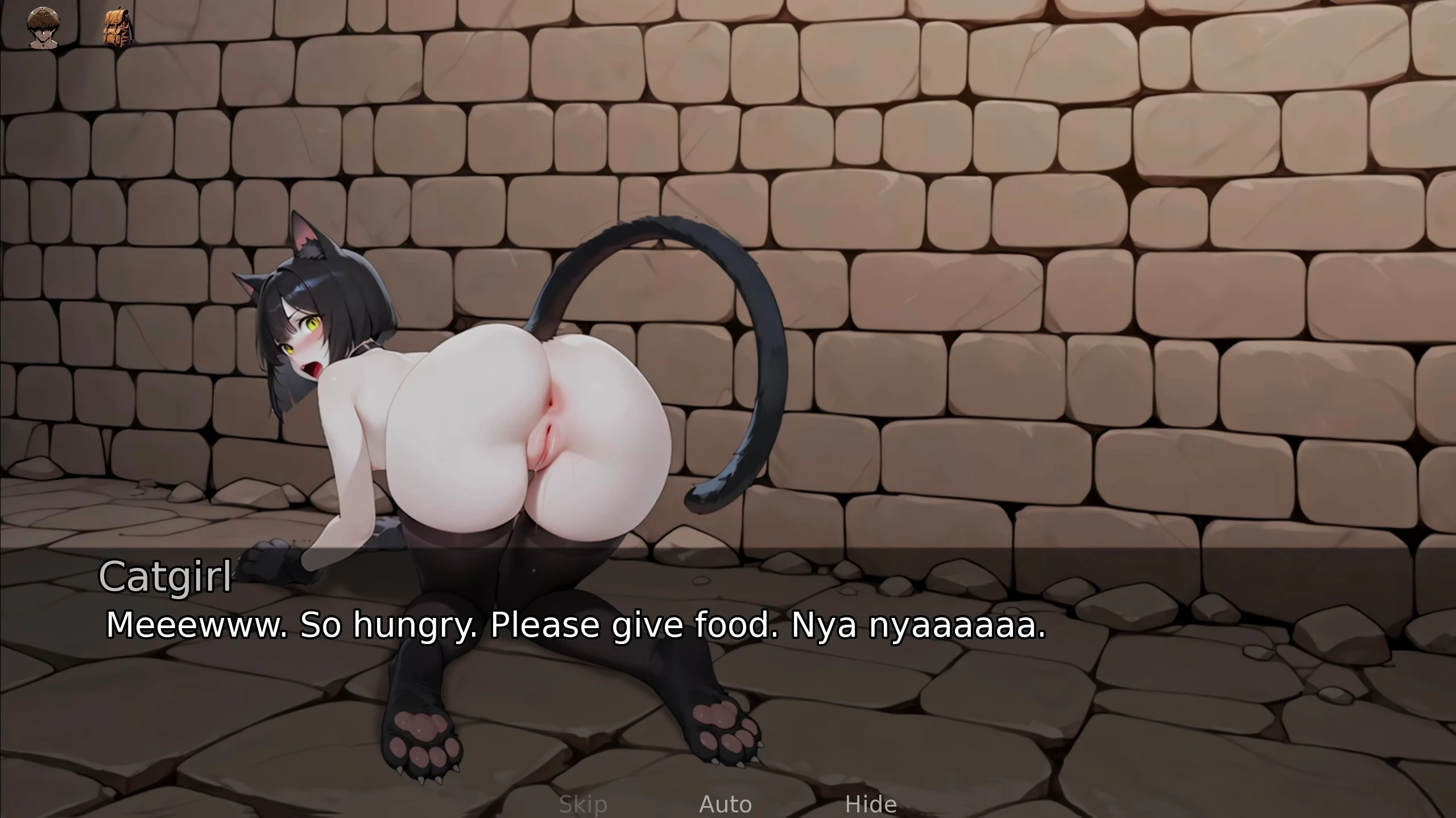
The game pairs visual novel structure with FMV-style encounters that emphasize cinematic timing and player decision-making rather than turn-based statistics. Encounters feature fantastical characters and mechanics based on a resource known in-game as soulpoints, which are spent, drained, and recovered in different ways to influence narrative branches. Size and scale are treated as gameplay variables that change scene versions and visual composition rather than mere cosmetics. Visuals and music are created with human direction alongside AI-assisted tools to produce a consistent, stylized audiovisual identity.
Gameplay and controls
Second Circle uses simple, mobile-friendly controls designed for point-and-tap play: advance text, make narrative choices from a menu, and interact with cinematic sequences through context-sensitive taps and timed prompts when appropriate. FMV sequences are designed to feel immediate: instead of complex inputs, players react to prompts or select branching choices that shift the scene’s outcome and accompanying assets. A streamlined interface keeps options accessible, and configurable text speed and skip features help tailor pacing for different play sessions.
Progression systems
Progression centers on soulpoints and branching story beats rather than character leveling or equipment. Soulpoints act as both a currency and a gauge of your moral state; how you spend or conserve them alters available paths and which scene variants are triggered. Early choices in the introduction set modifiers that influence later triggers—these include preference settings that affect how size and scale are handled in subsequent scenes. Multiple narrative threads and endings are tied to these systems, encouraging thoughtful decision-making and experimentation across playthroughs.
Visual style and audio
The game’s aesthetic blends FMV textures with stylized artwork and an atmospheric soundtrack. Artwork and music were produced with a mix of traditional assets and AI-assisted generation under creative direction, resulting in a distinct look that supports the story’s tone. Lighting, framing, and sound design are used deliberately to reinforce the emotional weight of encounters and to make scale changes feel meaningful within scenes. Subtitles and clear audio mixing are included to help with readability and listening clarity.
Level structure and customization
Second Circle is organized into short chapters that function as focused scenes rather than long open levels, which makes it ideal for short sessions or longer playthroughs. At the start of the game players select introductory options that influence their character’s profile and scene triggers; these choices act like customization of narrative stance rather than purely cosmetic changes. The compact chapter structure allows the team to iterate quickly, add new branches in updates, and keep each scene tightly written and produced.
Replay value and challenge systems
Replayability is built into the branching design: different patterns of soulpoint management, scene choices, and initial preference settings unlock alternate branches and endings. Challenge comes from balancing resource use with narrative goals—conserving soulpoints may restrict immediate options but open other outcomes, while aggressive spending can shift the story in a different direction. These systems reward experimentation and thoughtful pacing, and they are intentionally transparent so players can interpret consequences and try new strategies in subsequent runs.
Accessibility, offline play, and user experience
The game supports offline play for uninterrupted sessions and includes accessibility options such as adjustable text size, subtitle toggles, and a simplified input mode to reduce reliance on timed prompts. The interface aims to be clear and readable across device sizes, and a save system allows multiple quick saves for branching exploration. Because this is an early release, the team encourages feedback on usability and clarity to help prioritize improvements and additional accessibility options.
Development and version information
Second Circle is developed and published by SecondCircle Games and released in an early 0.3 build that demonstrates the core mechanics, audiovisual direction, and branching framework while leaving room for expansion. The studio uses a mix of human-led production and AI-assisted tools for art and music; as such, asset quality may vary as the team iterates. The title contains mature themes and is intended for adult audiences; players should expect stylized, narrative-focused content with variable scene versions tied to gameplay choices rather than explicit or pornographic material. Ongoing updates will expand content, polish presentation, and refine mechanics based on player feedback.
- No virus
- No advertising
- User protection
Information
- File size: 1375.98 M
- Language: English
- Latest Version: 0.3
- Requirements: Android
- Votes: 293
- Package ID: com.secondcircle.secondcircle
- Developer: SecondCircle
Screenshots


-
1

Neonverse: Invaders Shoot'EmUp Mod
Download -
2

Slingshot Bulldozer Mod
Download -
3
Galaxy Shooter - Space Attack Mod
Download -
4

You Sunk - Submarine Attack Mod
Download -
5

War Machines:Tanks Battle Game Mod
Download -
6

Country Balls: Armageddon Mod
Download -
7

Flying Flogger Mod
Download -
8

STRIKERS 1945-2 Mod
Download






Explore More
In today's world, almost everyone owns a smartphone, making gaming incredibly convenient. Certain mobile games are crafted with numerous progressively challenging levels, which appeal to many players. Here, we've curated a selection of the latest mobile games featuring challenging levels, perfect for enjoying with friends.

Rush Tiles: Rhythm Music Piano

Baby Princess Story

Aunt’s Secret Desires

Watermelon Game

LEVELS II

Find Out®:Find Hidden Objects!

Piano Ballz Beat

Candy Valley