Introduction
Sucker Punch drops players into a gritty, current-day fighting tale where you play an amateur fighter living in the slums and chasing a shot at the pros. In Sucker Punch you balance hands-on timing-based combat with branching narrative choices: win the pivotal amateur bout to turn professional, then cope when an unexpected event forces you to reassess your path. This editor's introduction describes the core systems, controls, visual approach and what to expect from the current early release so you can decide if the game fits your tastes.
Key Features
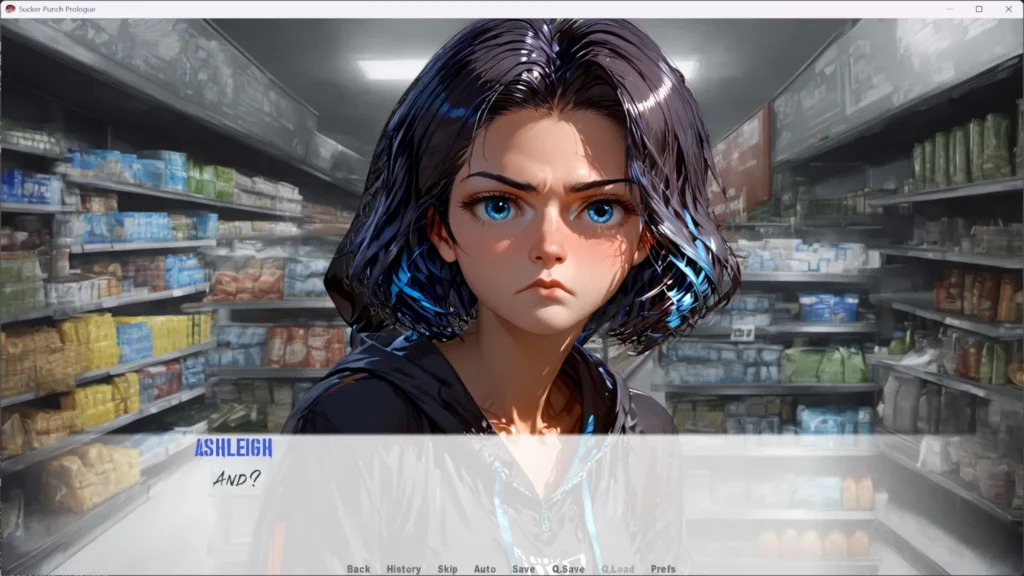
The game blends a branching visual-novel structure with reactive, skill-driven fights. Choices and fight outcomes change relationships, open or close story routes, and unlock different scenes and dialogue. Combat is not only about brute force: timing, technique and adapting to opponents are important, and the design intentionally allows progression even after certain losses so that defeats still lead to new story branches. The project uses AI-generated imagery and generative audio to create an atmospheric presentation that supports the narrative mood rather than distracts from it.
Gameplay Mechanics
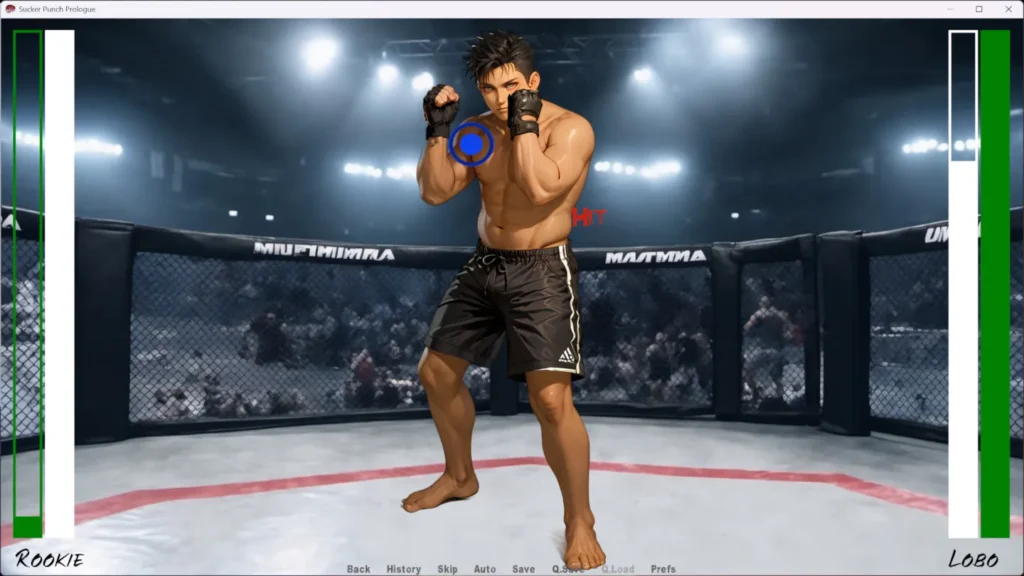
Combat encounters are resolved through short, reflex-oriented exchanges that emphasize reads and counters rather than simple stat checks. Players will learn a small set of offensive and defensive techniques that can be combined during an encounter; proficiency grows through repeated use and successful timing. Outside fights, choices affect who you meet, what resources you have, and which narrative threads become available. The interplay between in-arena skill and out-of-arena decisions is central: a hard-fought loss can lead to a route that reveals character backstory, new opportunities, or different challenges later in the story.
Controls and Accessibility
On touch devices controls are straightforward and focused on responsiveness: taps and timed presses for attacks, short swipes or holds to parry or evade, and clear visual cues to indicate windows of opportunity. The game includes adjustable input sensitivity and an optional simplified combat mode that reduces timing windows for players who prefer a more story-forward experience. Text size and contrast options help readability, and subtitles are provided for all dialogue and key audio cues to support different needs.
Progression and Customization
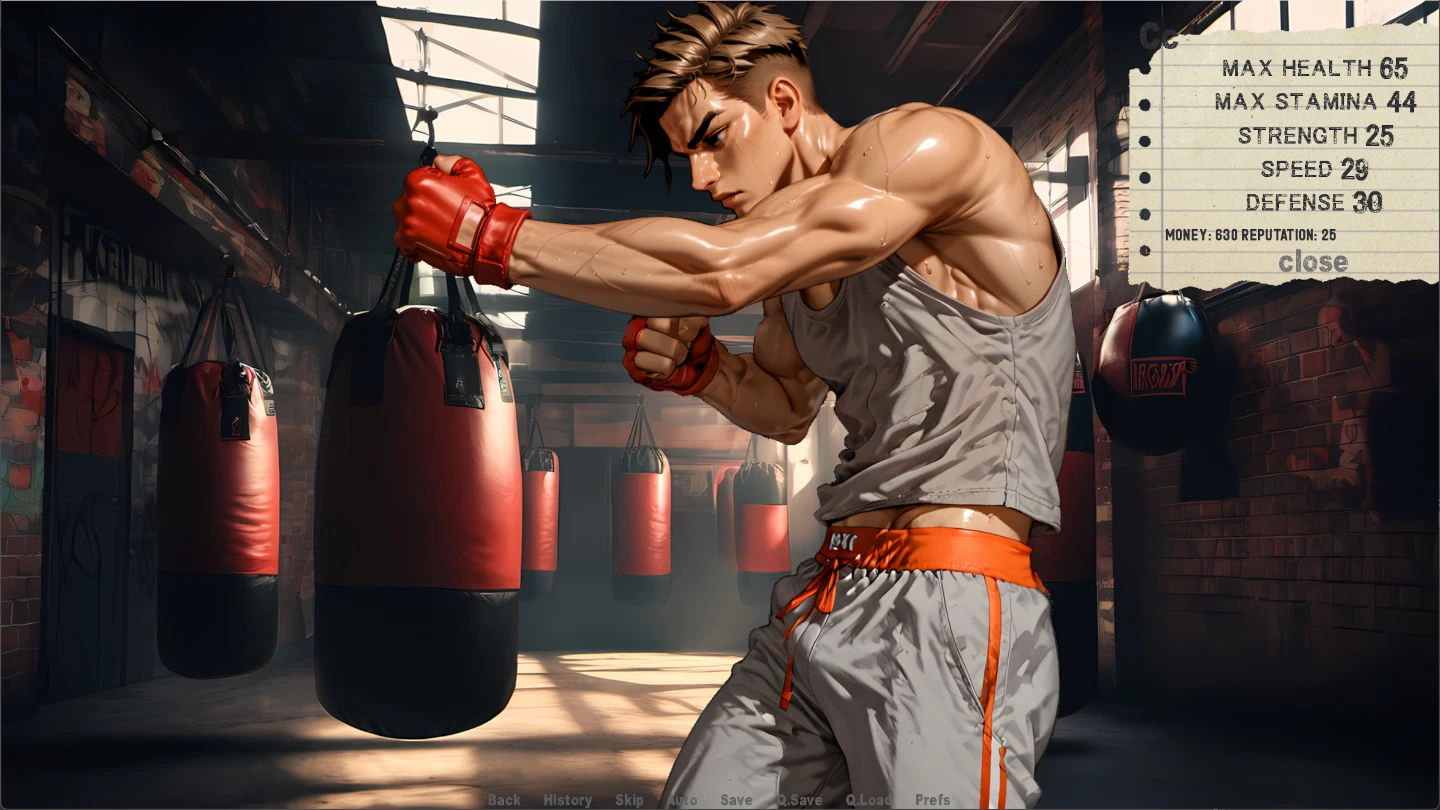
Progression combines narrative advancement with practical growth: as you move through chapters you gain access to small improvements in technique or stamina that change how fights feel. The title does not rely on microtransactions or complex gear systems; instead, progression is represented by learned moves, altered relationships, and occasional cosmetic variations tied to story outcomes. These elements let you tailor the character's playstyle and social path across multiple runs without introducing an overwhelming upgrade tree.
Visual Style and Audio
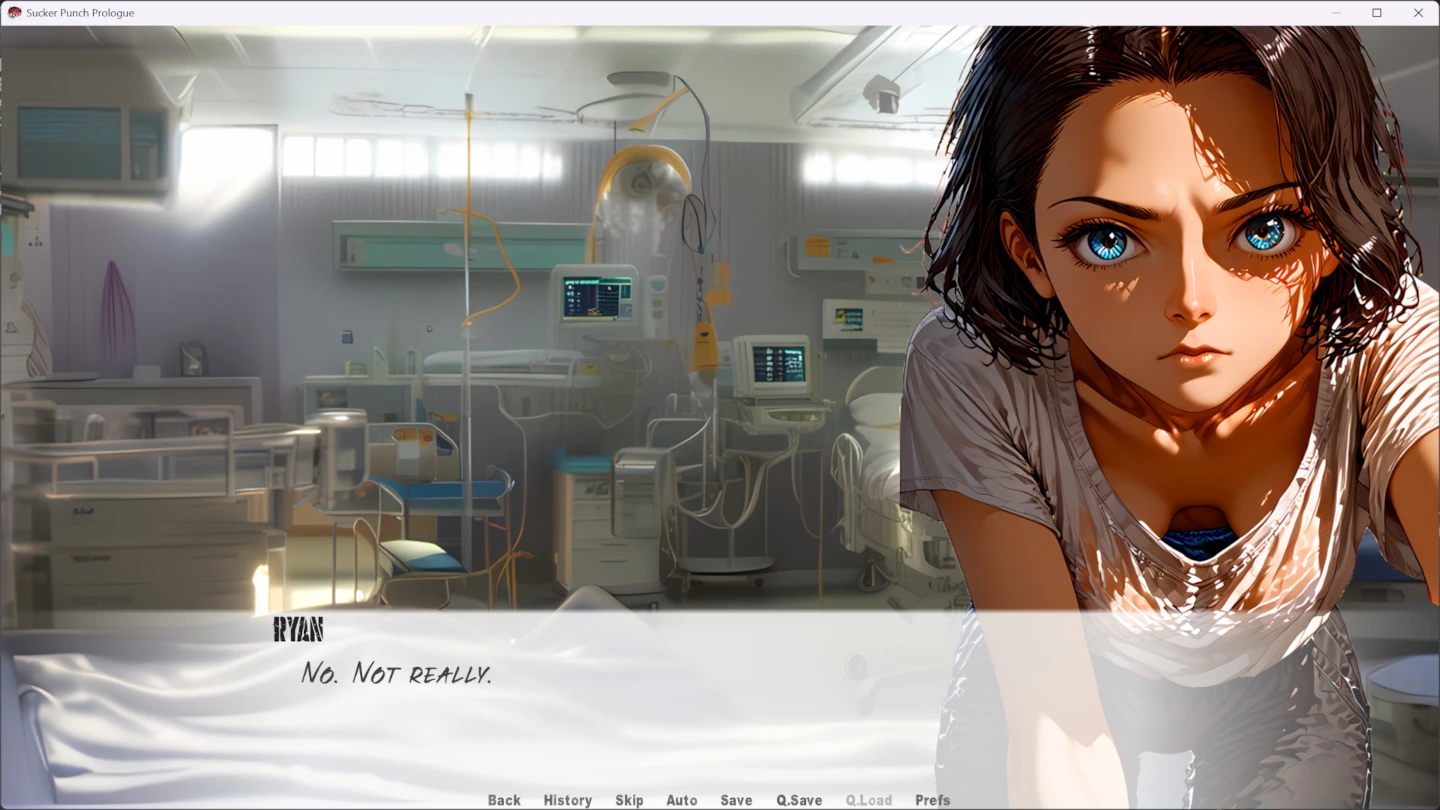
The visual presentation leans into a textured, atmospheric aesthetic created with Stable Diffusion for imagery and generative tools for music and SFX. This approach produces distinctive scene art and adaptive soundscapes that reflect the mood of a scene—tense streets, quiet recovery moments, and crowded fight nights. The audio design uses generative motifs to vary ambient layers across playthroughs, supporting replayability while keeping overall performance light for most devices.
Level Structure and Challenge Systems
Content is organized into chapters that mix narrative beats with discrete fight encounters and decision points. Each chapter is self-contained enough to play in a single session yet connects to the larger arc through consequences that carry forward. Difficulty settings and optional challenge modifiers let you increase enemy aggressiveness or shorten timing windows for players seeking a higher-stakes experience, while the simplified mode provides a gentler alternative.
Replay Value and User Experience
The design encourages multiple playthroughs: alternate routes, different relationship outcomes, and unique dialogues that appear after lost fights extend the narrative in meaningful ways. The user interface favors clarity—readable dialogue windows, a compact choices log, and straightforward indicators for technique unlocks—so returning to the story to explore a different path is quick and intuitive. Save slots and an autosave feature let you experiment with risky choices without losing significant progress, and local play does not require an internet connection.
Offline Play, Compatibility and Support
Sucker Punch is playable offline once installed; generative audio and image assets are packaged with the title so core presentation is available without streaming. The game runs on a broad range of Android devices at its current 0.3.0 build, though performance can vary by hardware. If you encounter any issues, the developer provides a contact channel for bug reports and feedback to help refine future updates.
Development Team and Version Information
Insomnia Syndicate Games is the independent studio behind Sucker Punch, currently offering the game in an early release state (version 0.3.0). This early build demonstrates the central systems and aesthetic while the team continues to refine balance, accessibility options, and narrative content based on player feedback. If you like character-driven stories with reactive fights and replayable outcomes, Sucker Punch is a focused experience that rewards careful play and repeated exploration.
- No virus
- No advertising
- User protection
Information
- File size: 754.71 M
- Language: English
- Latest Version: 0.3.0
- Requirements: Android
- Votes: 268
- Package ID: com.insomniasyndicate.suckerpunchprologue
- Developer: Insomnia Syndicate
Screenshots

-
1
Neonverse: Invaders Shoot'EmUp Mod
Download -
2

Slingshot Bulldozer Mod
Download -
3
Galaxy Shooter - Space Attack Mod
Download -
4

You Sunk - Submarine Attack Mod
Download -
5
War Machines:Tanks Battle Game Mod
Download -
6

Country Balls: Armageddon Mod
Download -
7

Flying Flogger Mod
Download -
8
STRIKERS 1945-2 Mod
Download






Explore More
Discover Exciting Action Games for Gamers: Unleash the Fun with Action-packed Adventures like Invincible Action, Co-op Thrills, DNF, Street Fighter, Combat, and Boxing Classics. Enjoy a Variety of Popular Action Mini-games to Play Online for Free, along with Collections of Hot Action Mini-games and Downloads. Invite your friends for a thrilling gaming experience!

Corrupted Seas

Cradle Beyond the Veil

NTR FOX Nikkie Mobile

According To Sofia
NeToRi Phone: Bull Simulator

Destined Desires

Degrees of Intimacy

The After Hours Office Predators