Introduction
COUNTERFORCE: EXCHANGE puts a persistent, GPS-linked strategy experience on your device, placing a post-apocalyptic globe in your hands and asking you to rebuild, defend and expand across real-world locations. In this location-based RTS you capture cities and outposts, manage production chains, assemble armies and weigh the political cost of diplomacy or retaliation as you expand influence across a shared map. The gameplay blends base-building, logistics, and territorial conflict into a single experience designed for players who enjoy planning long-term empires and reacting to emergent threats on a living world stage.
Gameplay and core mechanics
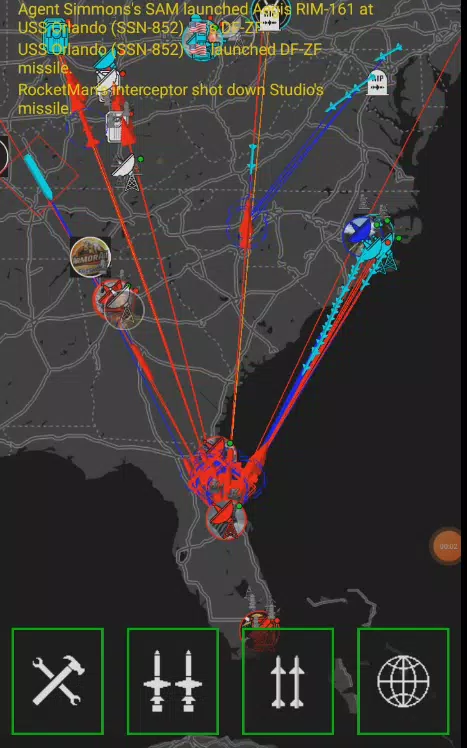
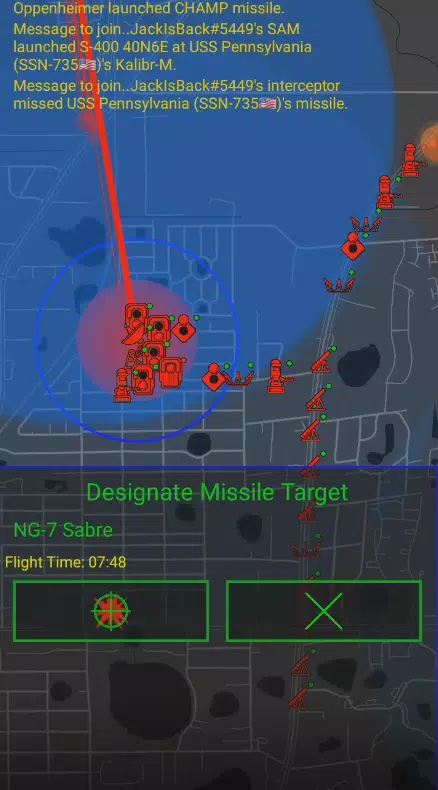
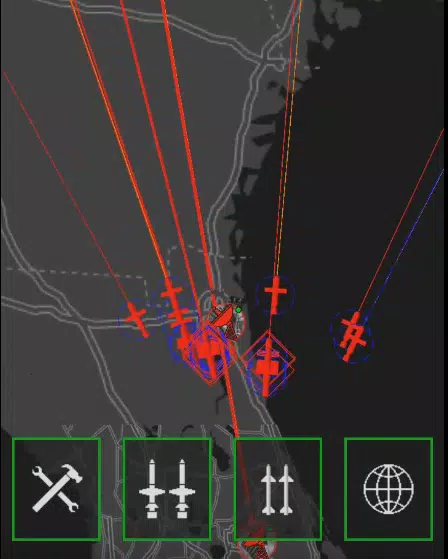
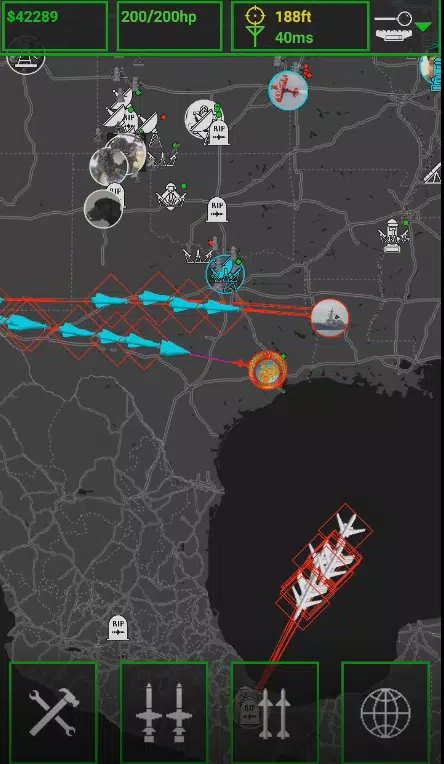
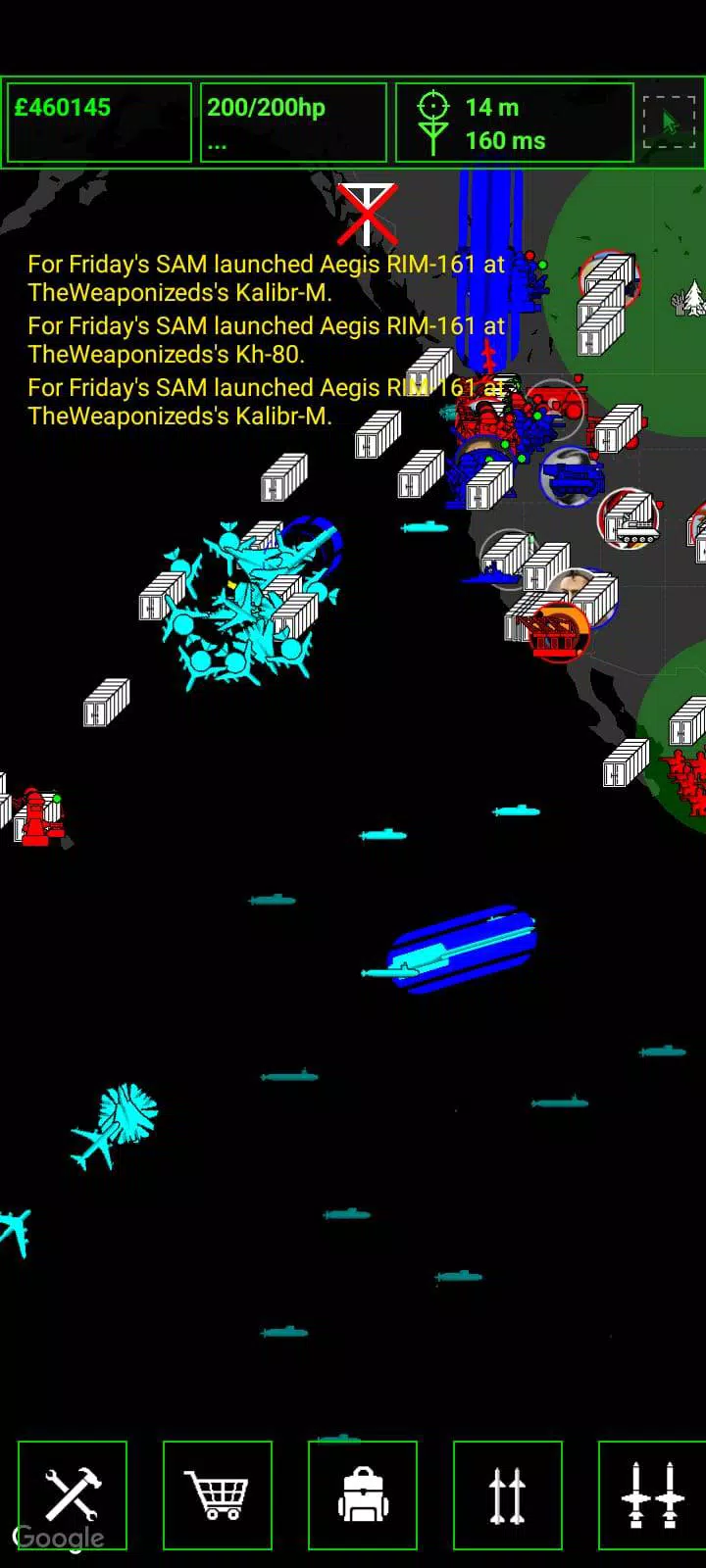
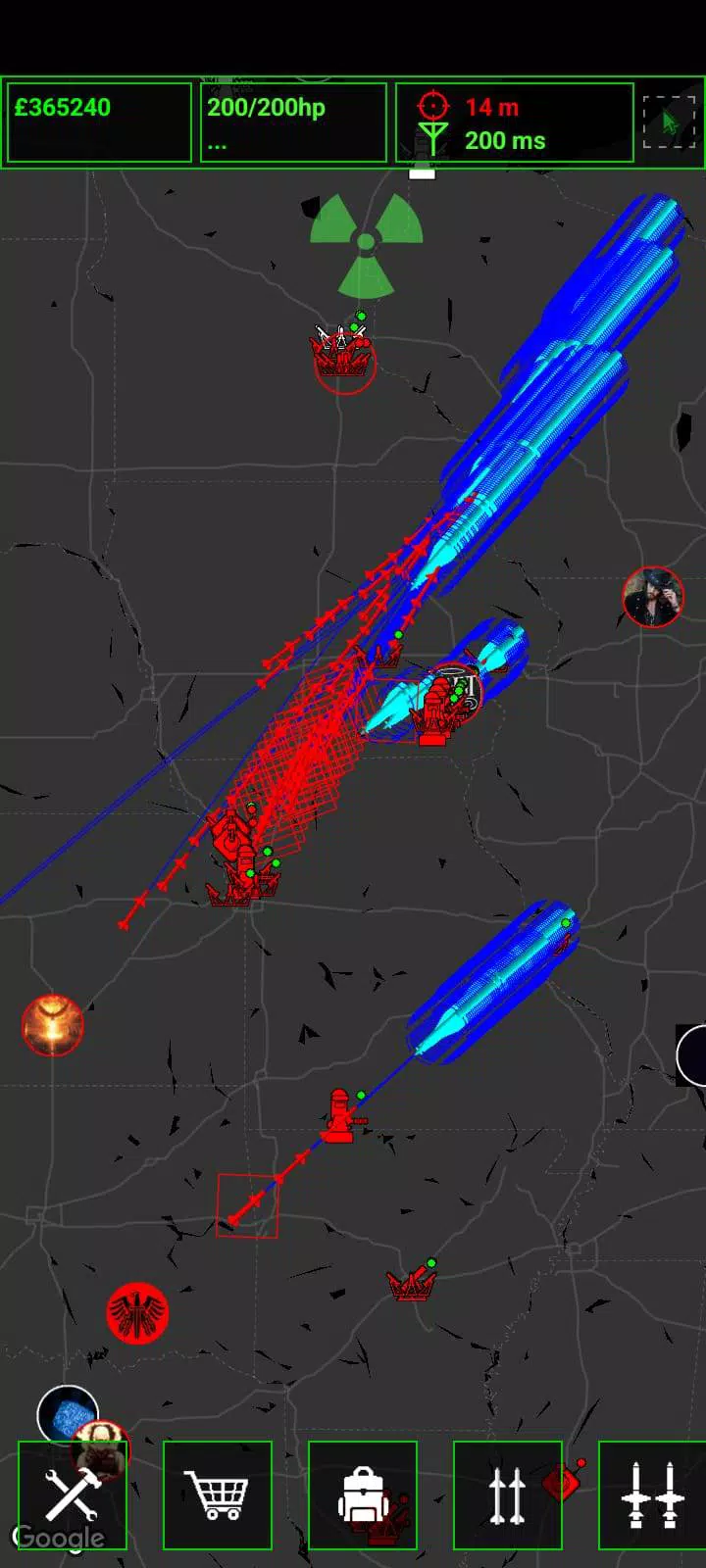
At its core, COUNTERFORCE: EXCHANGE revolves around controlling nodes on a GPS-linked global map: cities, resource sites and strategic chokepoints. Players assign production tasks, allocate raw materials to manufacturing lines, and field combined-arms forces that include ground vehicles, aircraft and naval units. Combat is resolved in real time and factors such as fuel, range and supply lines influence outcomes, so effective campaigns require logistical planning as well as tactical execution. Decisions carry weight — using advanced armaments, including nuclear options, introduces high-stakes consequences that can shift diplomatic balances or trigger reprisals.
Controls and interface
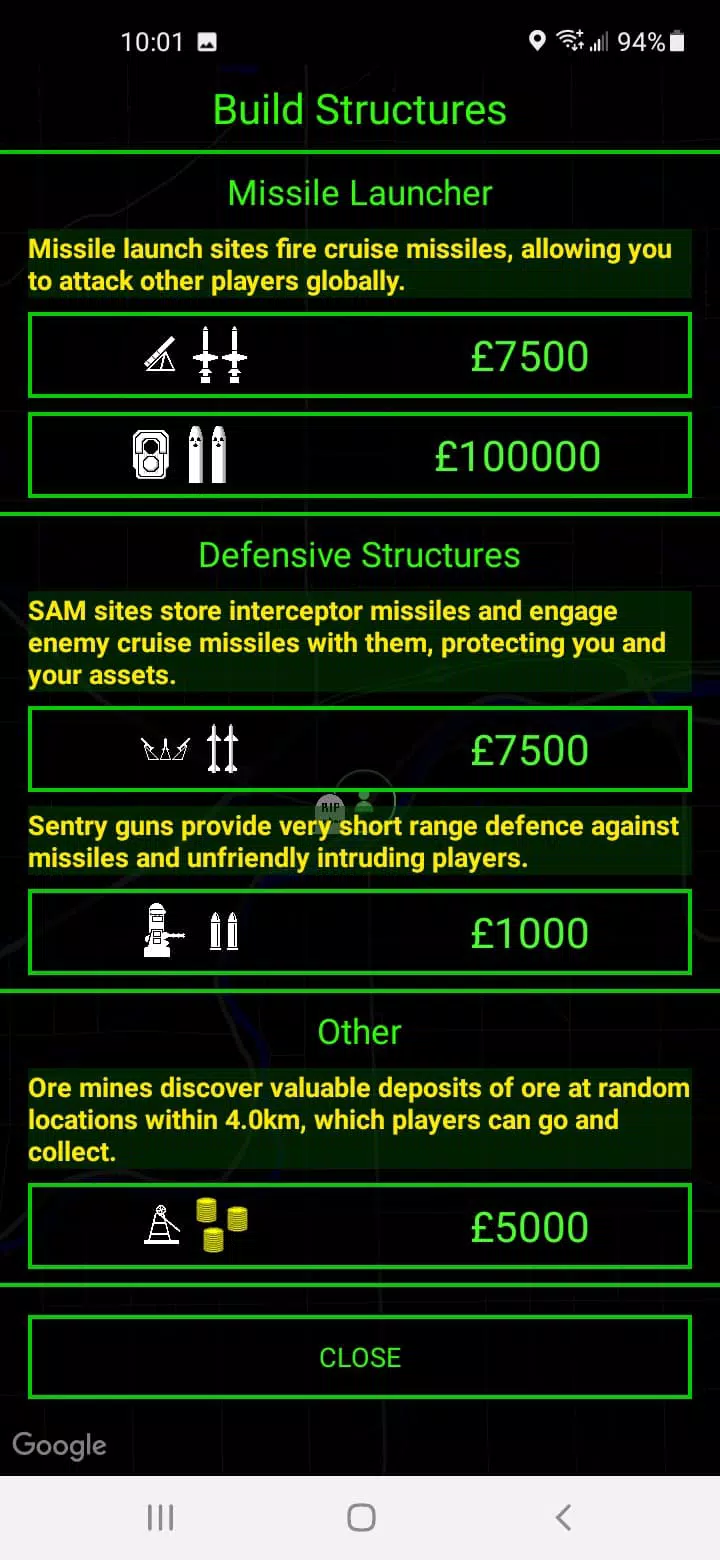
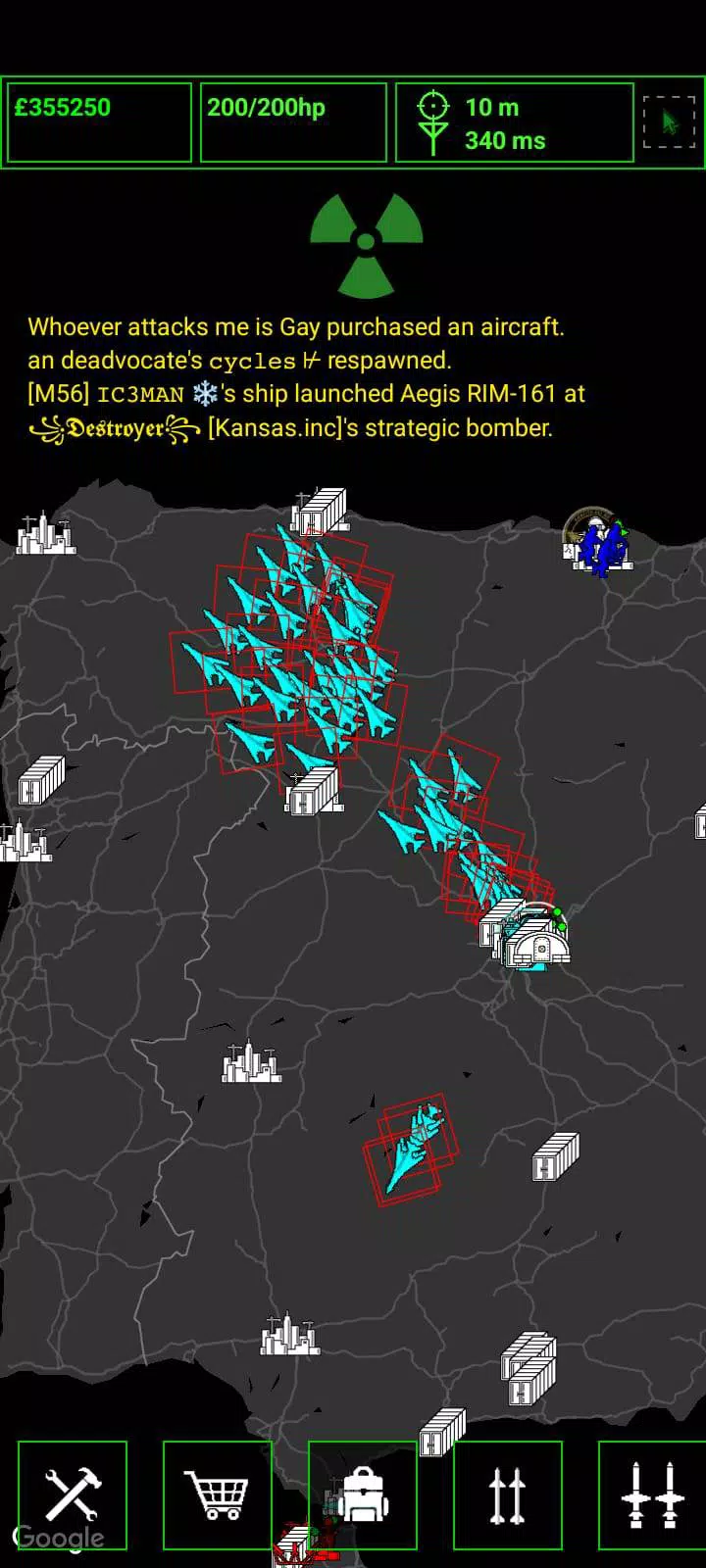
The interface is designed for touch-driven RTS play without overwhelming new players. Map gestures let you pan and zoom across the world, long-press and drag select groups of units, and tap to queue construction or production tasks at specific sites. Contextual menus surface only the most relevant options for a selected city, unit or production line, while layered map overlays display supply routes, ownership, and fuel ranges so you can plan moves visually. A guided tutorial introduces these controls step by step, easing the transition from solo skirmishes to wider strategic planning.
Progression, customization and manufacturing
Progression in COUNTERFORCE: EXCHANGE is driven by city upgrades, manufacturing capacity and access to advanced blueprints. As you expand, you can upgrade facilities to unlock higher-tier units, improve production throughput, and specialize cities for particular roles such as vehicle assembly or munitions. Customization is focused on city layouts and vehicle/weapon loadouts that affect range, speed and resilience rather than cosmetic-only options. Resource management and crafting provide a steady progression loop: secure supply chains, refine raw materials and ramp production to sustain larger expeditionary forces.
Visual style and level structure
The visual presentation combines a realistic map overlay of real-world geography with stylized unit models and readable UI elements to keep information clear during large-scale engagements. Level structure is emergent and persistent rather than discrete missions: the entire globe is the playing field, divided into regions and nodes that shift ownership through conquest, trade and diplomacy. This structure creates natural front lines, hubs of industry, and strategic corridors that reward geographic thinking and long-term planning.
Player-driven trade, diplomacy and social systems
Player-driven trade and diplomacy are integral to the economy — alliances can coordinate supply transfers, joint offensives and territory defense, while rival players contest resources and trade routes. These systems emphasize negotiation and timing over purely mechanical advantage: coordinated strikes, embargoes and negotiated exchanges all influence the changing geopolitical landscape. While the world advances continuously, the game encourages group coordination and measured responses to escalations, including the moral and tactical implications of deploying world-altering weaponry.
Replay value, challenges and events
Replay value comes from the unpredictability of human opponents, shifting alliances and periodic global events that change incentives and reward adaptation. Challenge systems include logistic constraints, fuel and range limitations, and escalating arms races that force players to evolve their strategies. Seasonal or developer-driven events can alter resource distributions or impose temporary rulesets to refresh strategic priorities without changing core mechanics.
Accessibility, offline behavior and user experience
Because COUNTERFORCE: EXCHANGE is GPS-reliant, there are settings and tutorials to help manage battery and data use, reduce GPS polling frequency, and clarify permissions. The persistent world advances even when players are offline, so cities continue to produce and alliances remain active; this design lets casual players maintain progress while encouraging active engagement during strategic windows. New-player assistance includes stepwise tutorials and in-game tooltips to lower the initial learning curve for layered RTS concepts and logistics handling.
Technical considerations and practical play tips
Expect the best experience where GPS signals are reliable and where you can plan around natural geography rather than in tight indoor spaces with poor reception. Because gameplay scales with territorial reach and production capacity, early investment in secure supply lines and facility upgrades tends to pay dividends later. Approach nuclear choices cautiously: they can yield large short-term gains but also invite long-term retaliation and diplomatic fallout across the persistent map.
- No virus
- No advertising
- User protection
Information
- File size: 23.10 M
- Language: English
- Latest Version: 89.9
- Requirements: Android
- Votes: 440
- Package ID: com.apps.fast.counterforce
- Developer: Ballistic Games
Screenshots










Explore More
Small games that help pass the time have evolved into a plethora of cool and refreshing experiences that allow us to briefly immerse ourselves without getting addicted, providing us with plenty of enjoyment even if we can only play them for a short while sometimes.

Dandadan Ayase Seiko Idle Clicker

Fragile Roll 3D

Damage Vessel

لعبة صراحة أم جرأة بدون نت

Spot the Answer!

Milyoner Bilgi Yarışması 2026

Modern Jet Fighters Online

Would You Rather Boy & Girl