Introduction
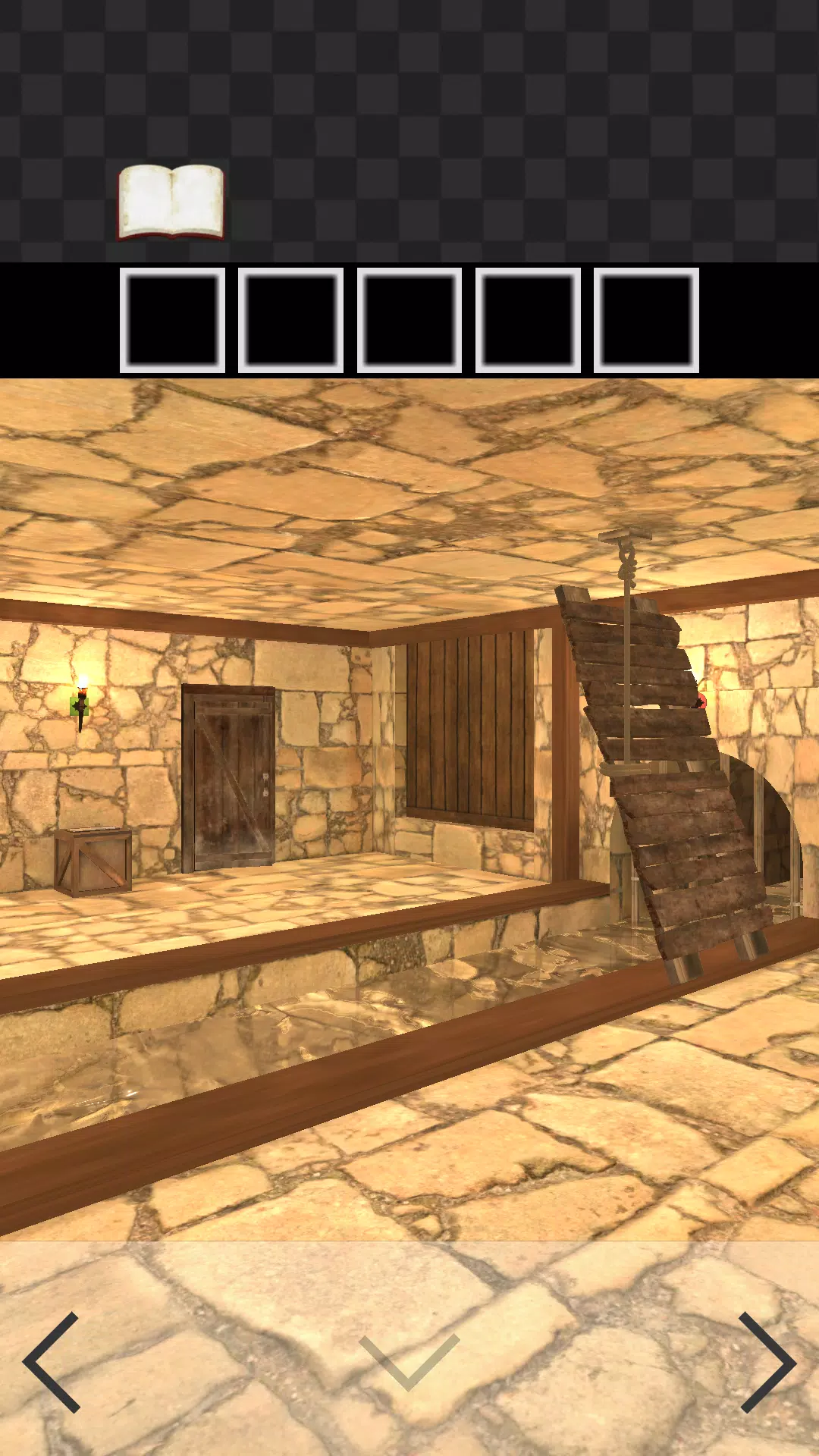
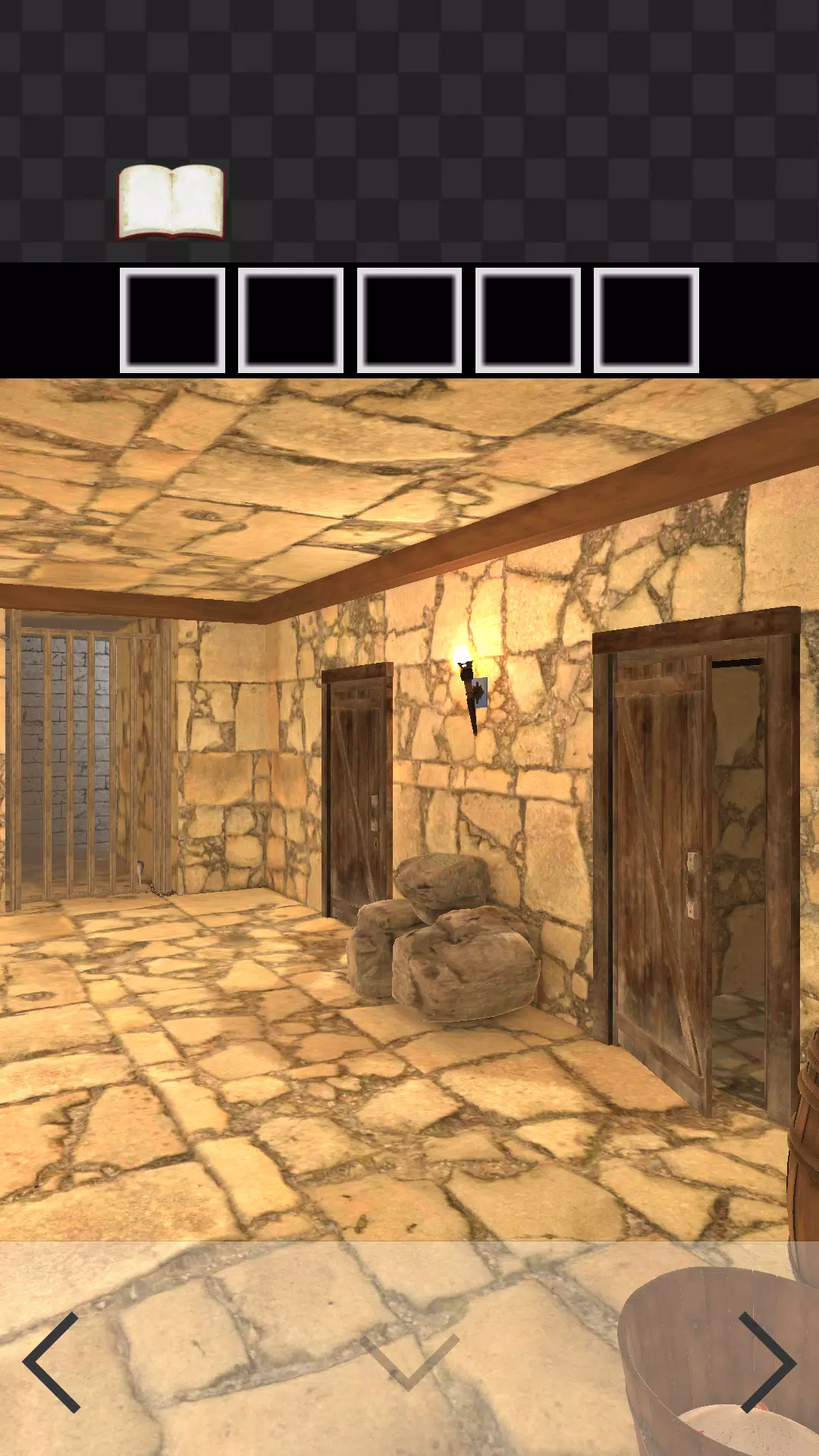
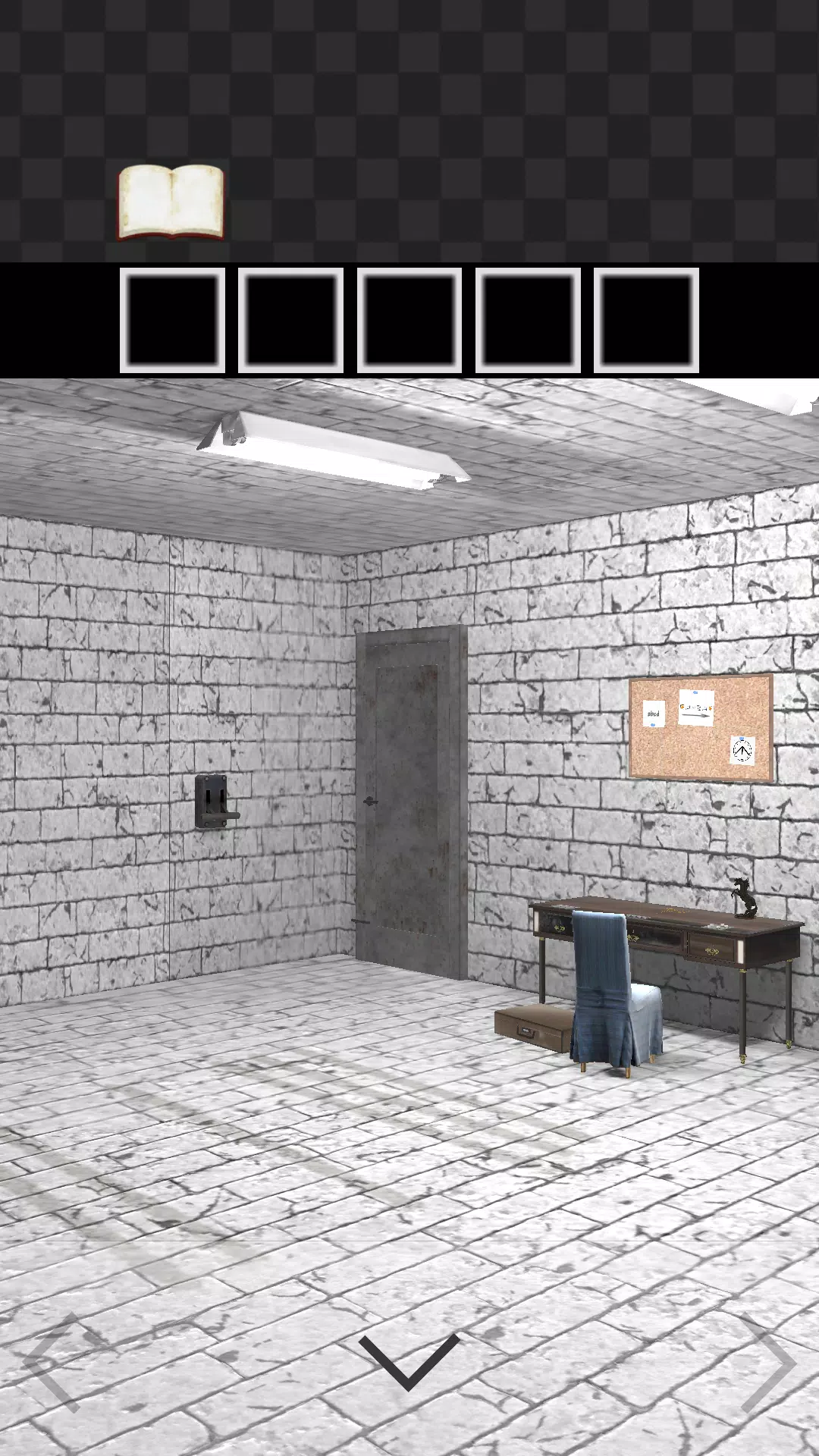
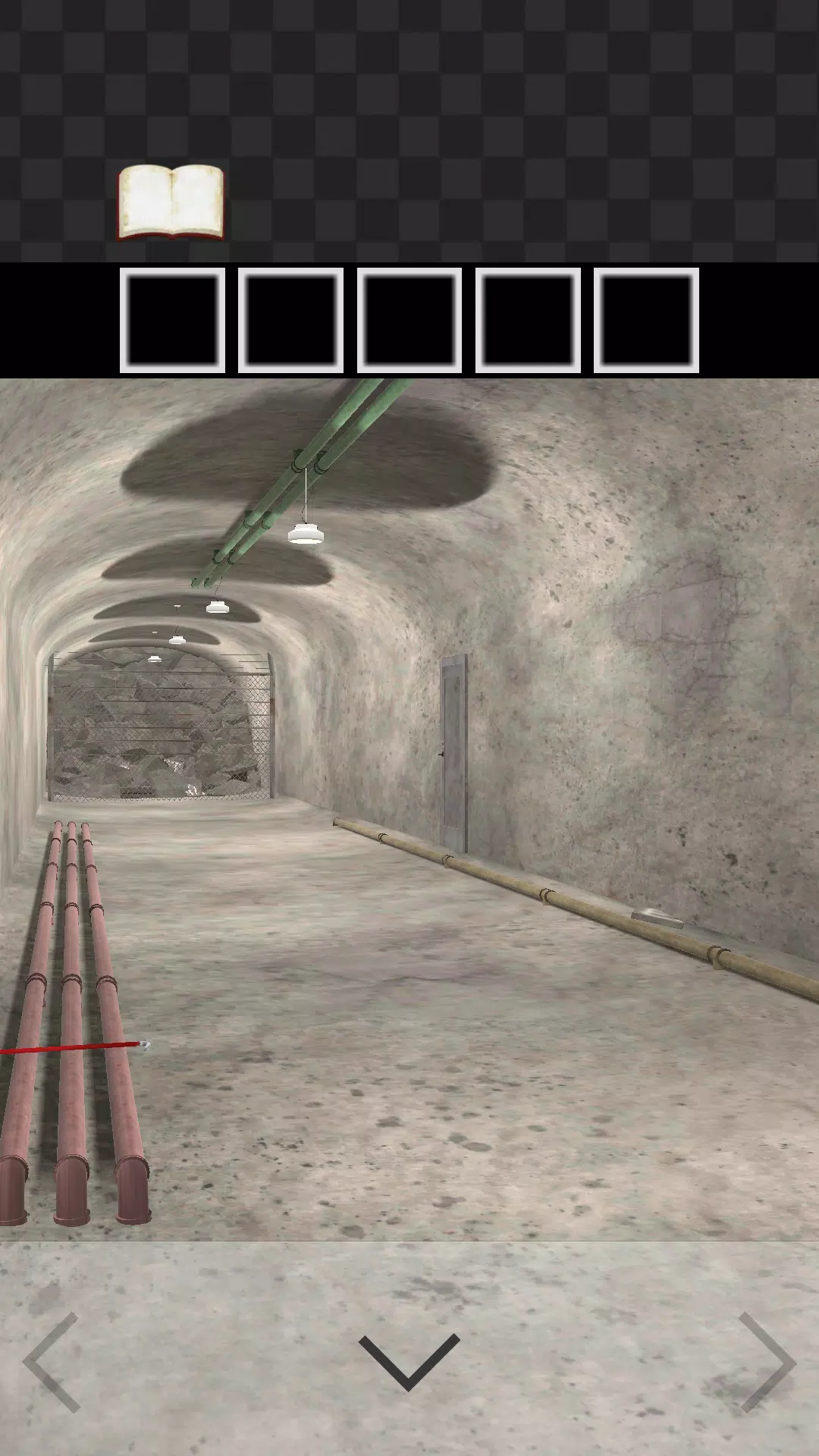
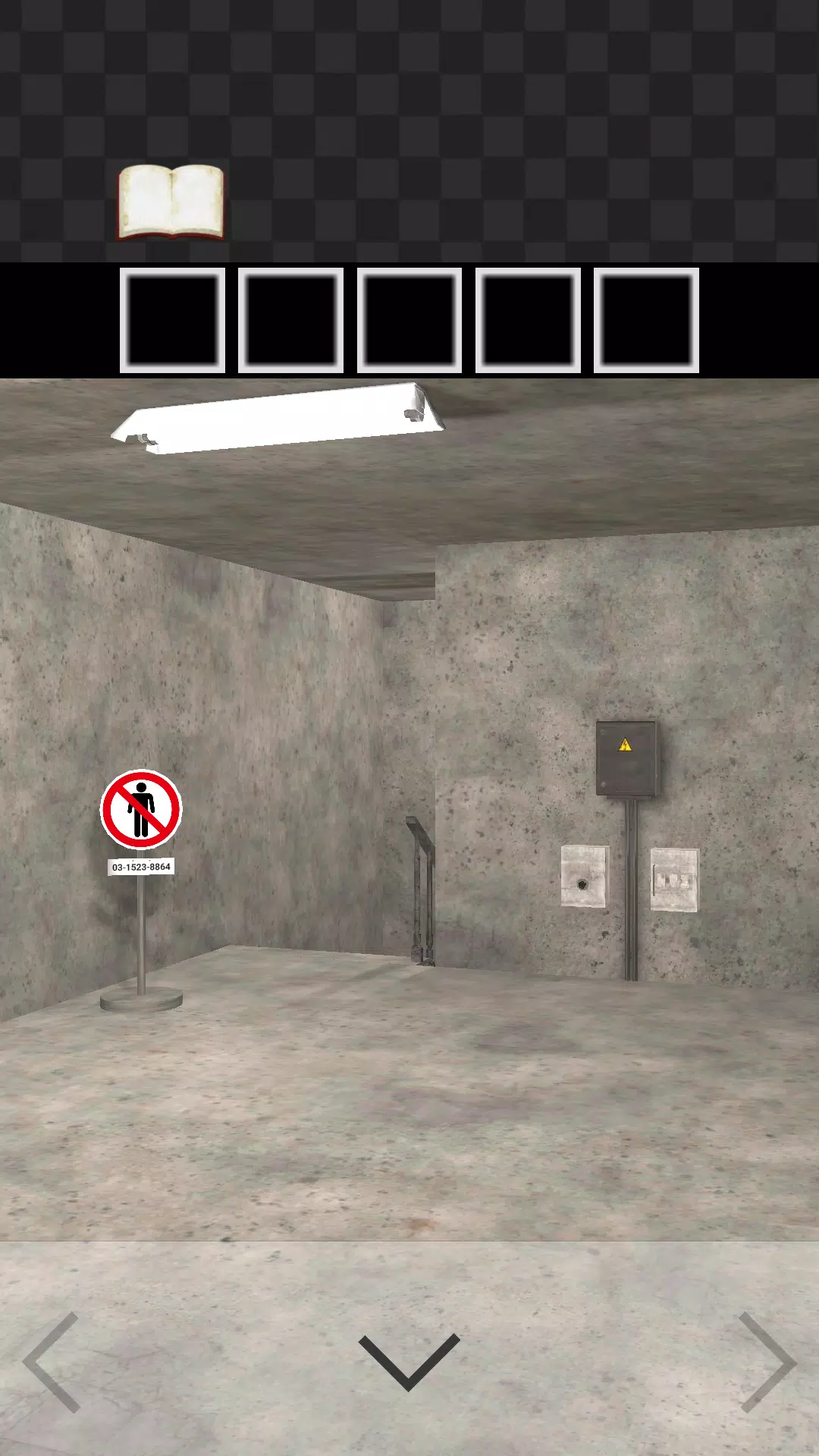
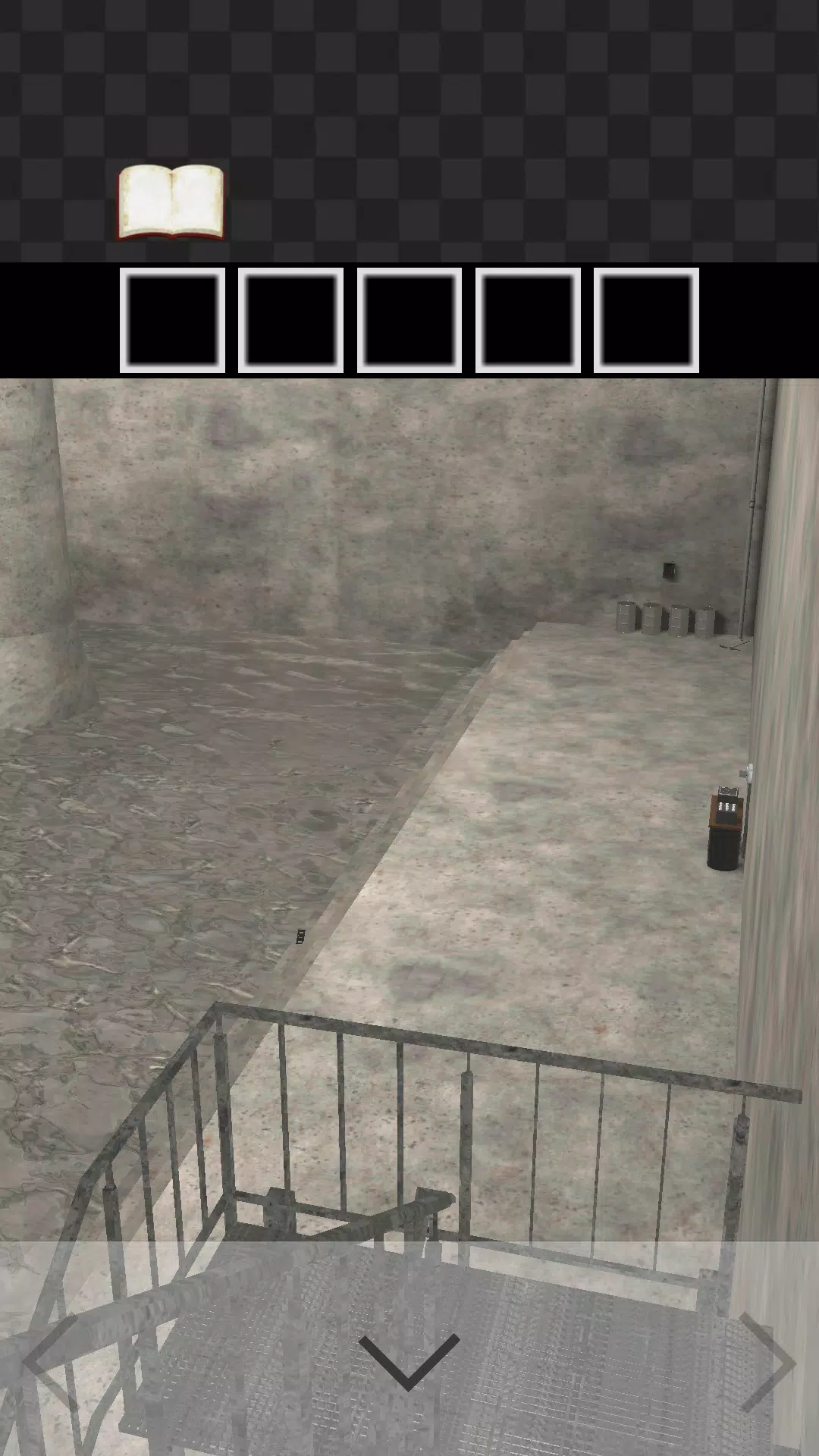
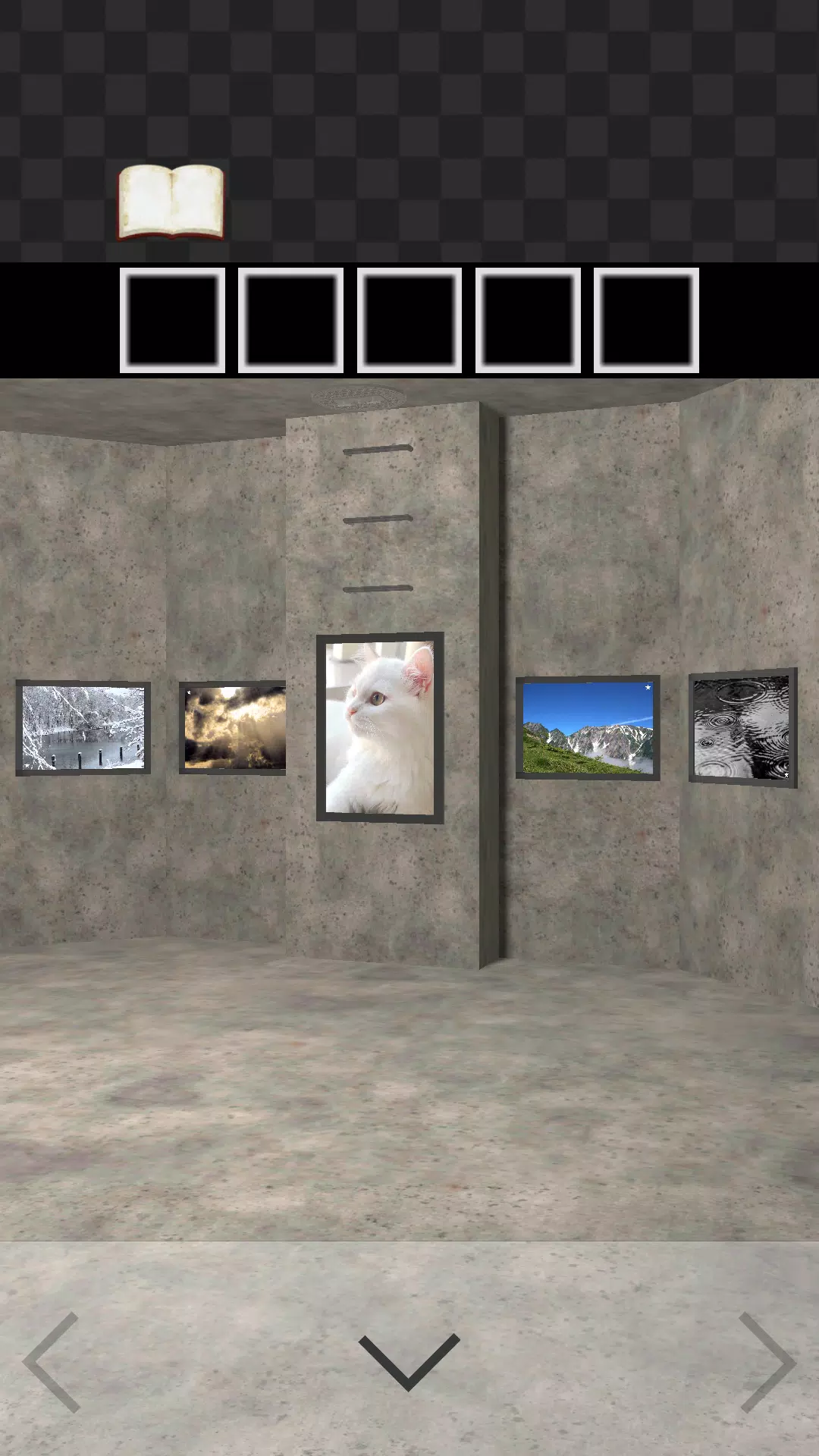
Escape Game: Underground drops players into a tense, atmospheric escape-room adventure set inside a mysterious subterranean facility where exploration and logic replace reflexes and twitch gameplay. From the first corridor to the final sealed door, the game emphasizes methodical investigation: tap to examine objects, combine items in a small inventory, and follow clues that reveal layered puzzles and connecting story beats. With automatic saving and carefully modeled props, Escape Game: Underground is built for players who enjoy slow-burn mystery and focused problem solving.
Key Features
The design of Escape Game: Underground centers on immersive discovery rather than complexity for complexity’s sake. You will encounter interactive objects that respond to inspection, hand-held items that can be combined or used in context-sensitive ways, and environmental puzzles that unlock new areas when solved. The audio and visual elements—ambient tracks and detailed 3D items—work together to guide attention and reward close observation. Controls are intentionally simple to reduce friction: tap to inspect, tap again to pick up or activate, and use a compact inventory system for combining or applying items.
Gameplay Mechanics
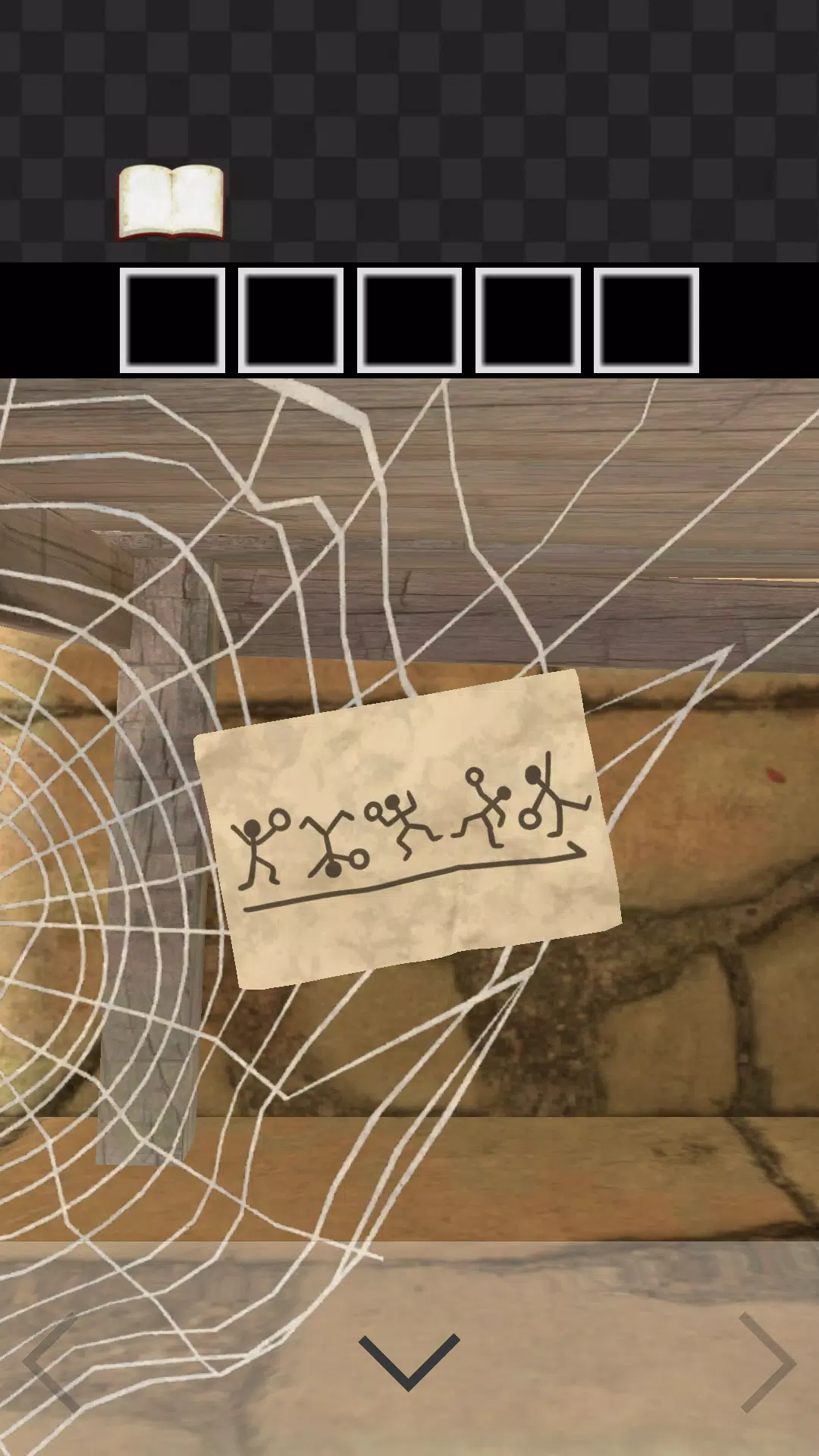
Puzzles in Escape Game: Underground are layered and often require several steps of inference. A riddle may point to a symbol, which in turn suggests a tool you must find elsewhere, and that tool might interact with another mystery to produce a code or passage. The game encourages note-taking and pattern recognition; many solutions are deducible from observation if you follow environmental hints. There are no time pressures in most rooms, so players can approach challenges at their own pace and return later thanks to auto-save checkpoints.
Controls and Accessibility
One of the game’s design goals is accessibility through simplicity. The tap-and-inspect controls keep interactions approachable on phones and tablets, and automatic item use eliminates awkward inventory juggling. The interface includes clear visual cues for interactive objects and an inventory layout that minimizes accidental actions. For players with different needs, there are adjustable display settings for brightness and contrast, optional subtitles for audio cues, and a readable font size option to make text clues easier to parse.
Progression and Level Structure
The facility is arranged as a connected series of rooms and corridors rather than isolated, linear stages. Progression is primarily puzzle-driven: solving a set of challenges opens a previously locked area where new puzzles await, and backtracking is often necessary to combine newly acquired items with earlier discoveries. This structure supports a steady escalation in complexity while allowing moments of respite between harder puzzles. The pacing is deliberate, with bite-sized challenges that make it easy to save and resume between short sessions.
Visual Style and Audio
Escape Game: Underground leans on atmosphere to create tension. Lighting choices—pools of dim light, flickering bulbs, and the occasional emergency glow—help highlight important objects and conceal others until you look closely. Object models range from mundane tools to peculiar artifacts, each rendered with enough detail to invite close inspection. Ambient soundscapes sourced from Creative Commons and other libraries are layered to produce an immersive acoustic backdrop that complements the visual design without overwhelming puzzle cues.
Replay Value and Challenge Systems
Replay value comes from hidden items, optional side puzzles, and the satisfaction of approaching problems differently on subsequent playthroughs. While the main path is consistent, many rooms contain secrets or alternate ways to interpret clues that reward careful players. The game’s challenge curve favors thinking and experimentation over reflexes, and discovering an overlooked connection or a secondary riddle can change how you navigate the environment on a second run.
User Experience and Offline Play
The experience focuses on solo, offline play—there are no persistent online requirements to progress through the facility, so the core gameplay is available without a continuous connection. Auto-save stores progress locally so you can resume where you left off, and most assets are packaged to minimize the need for streaming. The interface is designed to be clear and unobtrusive, keeping the player’s attention on puzzles and environmental storytelling rather than on menus.
Who Should Play
Escape Game: Underground is best suited to players who enjoy slow, thoughtful puzzles and moody exploration. If you prefer open, airy levels or action-driven mechanics, the claustrophobic setting and puzzle-focused design may feel intense or methodical. For fans of investigative gameplay, however, the game offers satisfying problem solving, layered clues, and an environment that encourages careful observation and logical reasoning.
- No virus
- No advertising
- User protection
Information
- File size: 0.00 M
- Language: English
- Latest Version: 2
- Requirements: Android
- Votes: 377
- Package ID: com.BlackCatJP.Underground
- Developer: BlackCatJP
Screenshots
-
1

Neonverse: Invaders Shoot'EmUp Mod
Download -
2

Slingshot Bulldozer Mod
Download -
3

Galaxy Shooter - Space Attack Mod
Download -
4

You Sunk - Submarine Attack Mod
Download -
5
War Machines:Tanks Battle Game Mod
Download -
6

Country Balls: Armageddon Mod
Download -
7

Flying Flogger Mod
Download -
8

STRIKERS 1945-2 Mod
Download






Explore More
Discover Exciting Action Games for Gamers: Unleash the Fun with Action-packed Adventures like Invincible Action, Co-op Thrills, DNF, Street Fighter, Combat, and Boxing Classics. Enjoy a Variety of Popular Action Mini-games to Play Online for Free, along with Collections of Hot Action Mini-games and Downloads. Invite your friends for a thrilling gaming experience!

Piano Ballz Beat

Beastly Bonds

Futa Fucks Femboys

The Writer

Furry Tales

Pop Frenzy

Green Abyss

Hard Lessons