
Introduction
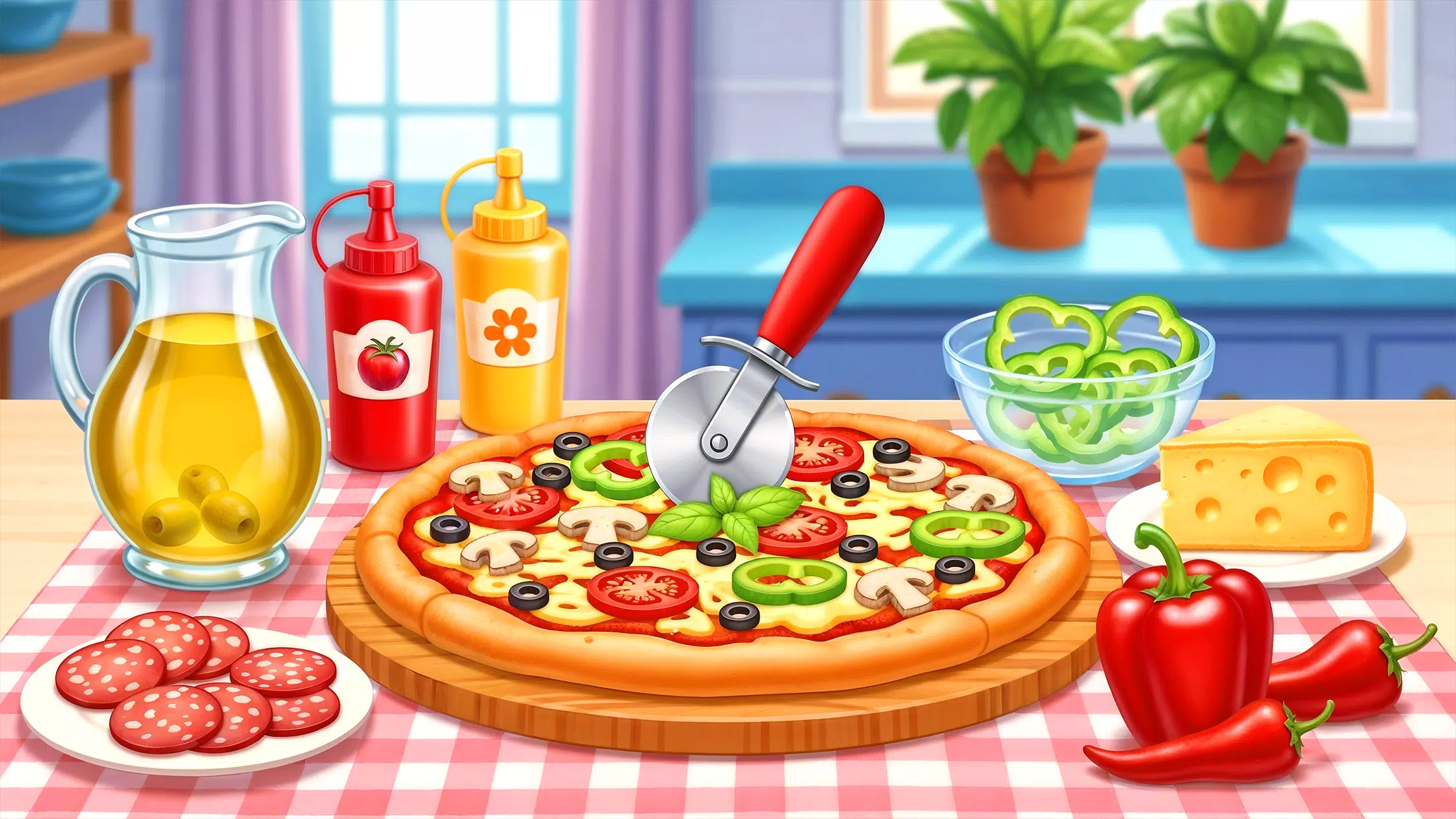
Kitchen Set Cooking Chef Sim puts you in charge of a busy, bite-sized restaurant experience where every stage feels like a new shift. In this game you cook, bake and serve a steady stream of orders under time pressure, learning to balance preparation, plating and delivery across more than 65 progressively challenging levels. Kitchen Set Cooking Chef Sim is built for short sessions and casual play: controls are approachable, objectives are clear, and an offline mode means you can jump into service whether you have a minute between errands or a longer break to refine your strategy.
Key Features
The core loop of Kitchen Set Cooking Chef Sim centers on fast-moving orders and varied level goals. You will move through 65-plus stages that introduce fresh mechanics as you progress, from relaxed pizza-building rounds to increasingly frantic burger services. Each level mixes preparation tasks, ingredient management and plating under timers so that the emphasis shifts between accuracy and speed. Because the game runs offline, it’s convenient for commutes, flights or places with limited connectivity, while graphics and UI prioritize clarity so players can focus on the fun of serving customers.
Gameplay and Controls
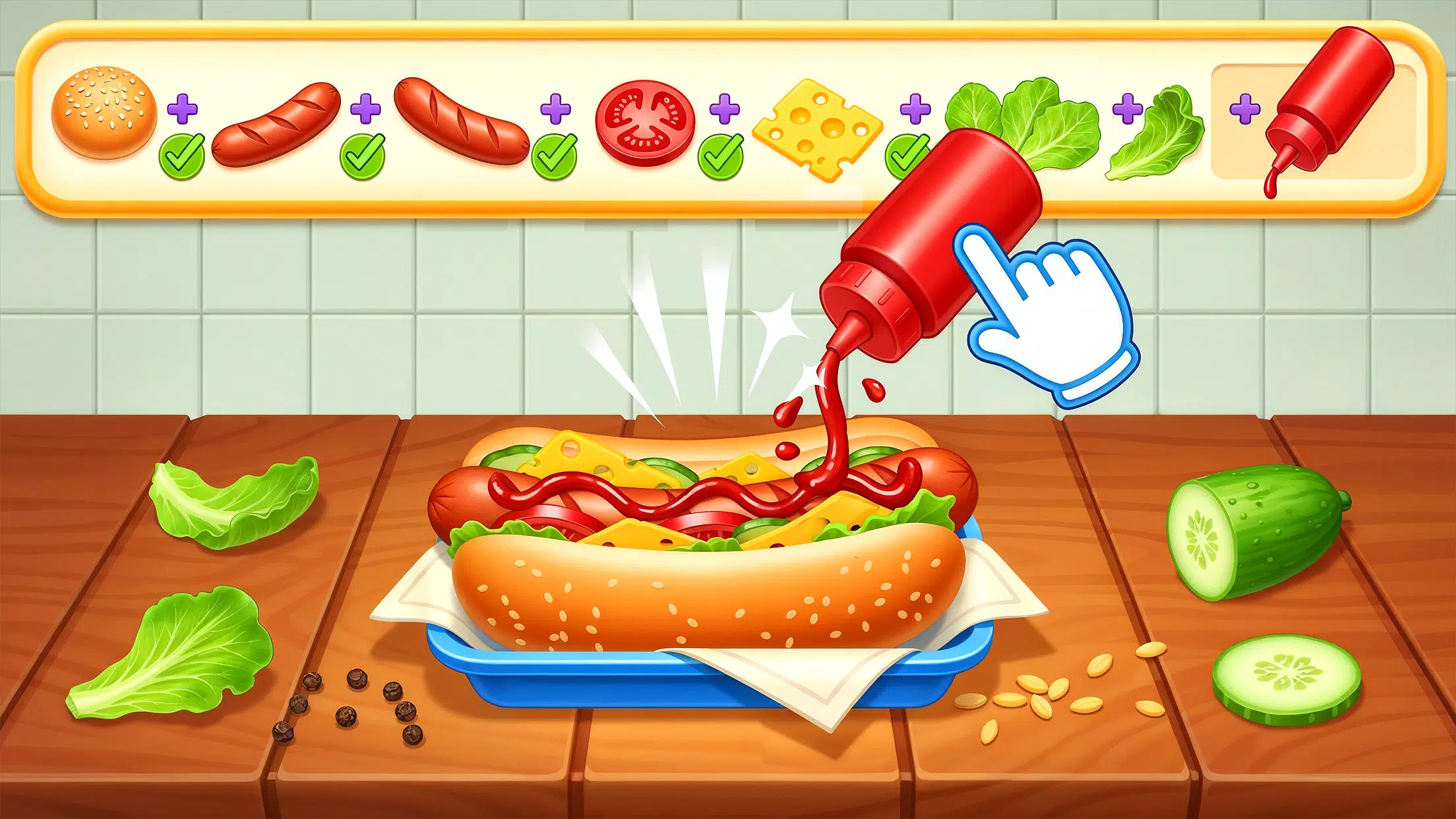
Interactions are designed to be intuitive for touch screens: tap to select ingredients, drag to assemble dishes and tap again to send orders on their way. Timing plays a major role—many stages require you to sequence steps correctly so items do not burn or become late. The controls remain forgiving to make the learning curve gentle for new players but still responsive enough to reward precision when you take on faster challenges. Visual cues and simple timers keep the action readable even on smaller devices.
Progression and Level Design
Levels unlock in sequence and introduce new objectives gradually so the difficulty curve feels natural. Early stages are tutorial-like, teaching you the basics of dough, grilling and plating, then later levels combine those mechanics into multi-tasking tests where you manage simultaneous orders. Optional goals and performance-based grading encourage replay; returning to a finished stage to shave seconds off your time or improve accuracy provides a clear reason to revisit earlier content without requiring online features or leaderboards.
Visual Style and Presentation
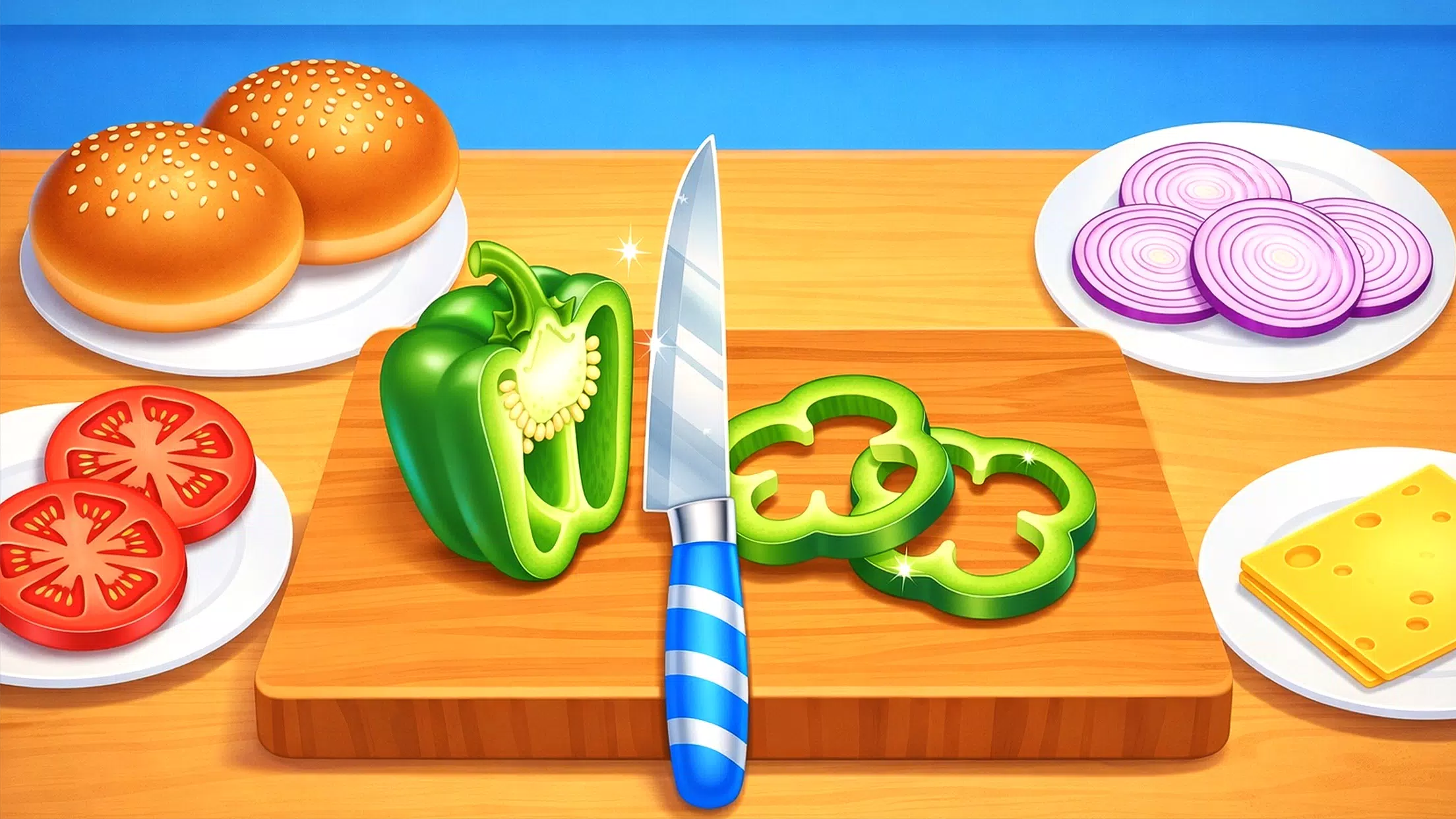
The game uses a clean, colorful visual approach that emphasizes readable icons and clear ingredient visuals rather than hyper-realistic graphics. This visual clarity helps you spot orders and timers at a glance and supports faster decision-making during hectic shifts. Sound design and simple animations signal completed steps and customer reactions in a way that reinforces the pacing without overwhelming the screen. Overall presentation is tailored to short bursts of gameplay and quick recognition of critical information.
Replay Value and User Experience
Replayability comes from mastering the rhythm of each level and optimizing the sequence of tasks for higher scores or better completion ratings. Because sessions are compact, Kitchen Set Cooking Chef Sim fits naturally into one-handed play and micro-sessions while waiting or commuting. The offline capability preserves this convenience and reduces friction for players who prefer to play without persistent network requirements. Menus are straightforward, making it easy to jump back into a particular level or resume where you left off.
Accessibility and Ease of Play
Simplified controls and clear visual priorities make the game approachable for beginners while still offering a challenge for more experienced players. The pacing allows you to focus on individual skills—such as timing for baked items or assembly order for burgers—so new players can build competence gradually. Text and iconography are designed to be legible across device sizes to minimize confusion during faster stages.
Limitations to Keep in Mind
While the game is designed for enjoyable short sessions, a player who completes the core set of levels may find the core loop becomes familiar over long play sessions. Themed content leans toward pizza and burger challenges, which creates a strong identity but may feel narrow to players seeking an extremely wide variety of cuisines. The developer balances depth and accessibility rather than pushing toward expansive recipe lists or online competitive systems.
Tips for New Players
Start by learning the timing windows for baking and grilling tasks, prioritize active orders and prepare ingredients in batches when possible to avoid bottlenecks. Use early levels to practice plating sequences so you can handle multi-order stages more efficiently. Returning to earlier stages with a focus on smooth execution can be a satisfying way to improve without relying on added features or online resources.
- No virus
- No advertising
- User protection
Information
- File size: 95.30 M
- Language: English
- Latest Version: 5.5
- Requirements: Android
- Votes: 434
- Package ID: com.pgs.kitchen.set.cooking.game
- Developer: Phone Games Studio
Screenshots





-
1

Summoners War Mod
Download -
2

Winked: Episodes of Romance Mod
Download -
3

Midnight Stories: Choice Games Mod
Download -
4

Werewolf Romance Otome Game Mod
Download -
5

Love Sparks: Dating Sim Mod
Download -
6

Re:END Mod
Download -
7

BUD: Create and Play AI Games Mod
Download -
8

Romance Club - Stories I Play Mod
Download








Explore More
Small games that help pass the time have evolved into a plethora of cool and refreshing experiences that allow us to briefly immerse ourselves without getting addicted, providing us with plenty of enjoyment even if we can only play them for a short while sometimes.

Back to the Fuckture

Battlefuck Pit

Idle Waifu

Big Milf Suprise
Health Points

According To Sofia

NeToRi Phone: Bull Simulator

Idle Guild